English

 Post by
 屋上太陽光発電システムにおいてレール選定が重要な理由
屋上太陽光発電システムにおいて、レールは太陽光発電モジュールを屋根構造に接続する主要な構造部材です。レールは、自重、風荷重、積雪荷重などの荷重を建物構造に伝達する上で重要な役割を果たします。
太陽光発電式鉄道システムの選択は、プロジェクトの3つの重要な指標に直接影響を与えます。
- 設置効率:人件費とプロジェクトの期間に影響します
- システムコスト:材料使用量と設置の複雑さによって決定されます。
- 構造安全性:25年間のライフサイクルにおけるシステムの信頼性を定義する
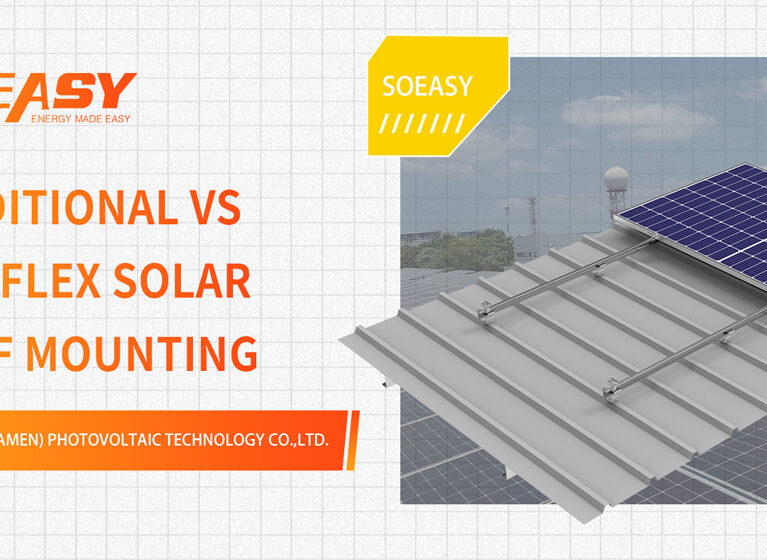
近年、ミニレールシステム(短尺レールシステム)は、分散型屋上プロジェクトにおいて急速に普及している。特に台形金属屋根においては、ミニレールはコストと設置効率の面で明確な利点を提供する。
しかし、ミニレールは従来の長距離鉄道システムを完全に代替できるのだろうか? そして、それぞれのソリューションはどのような状況でより適しているのだろうか?
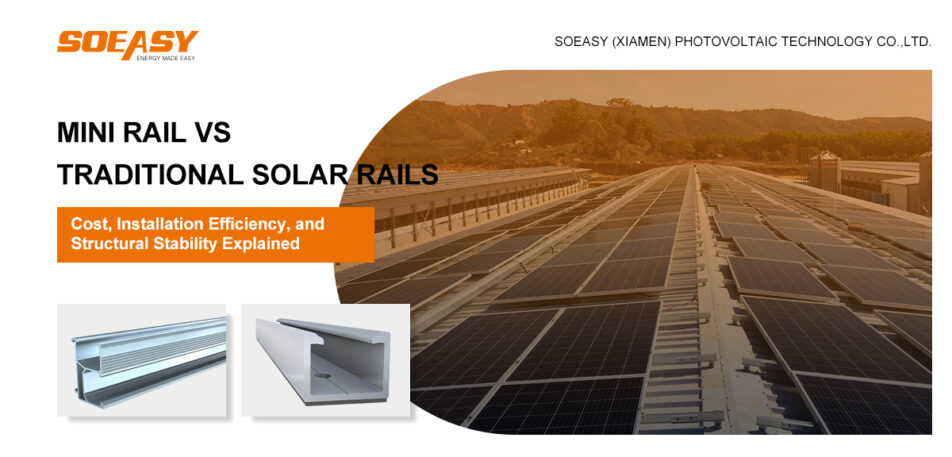
本稿では、ミニレールと従来のソーラーレールの構造、コスト、設置効率、構造性能、および応用シナリオについて体系的に比較検討する。
従来型のソーラーレールシステムとは?
定義
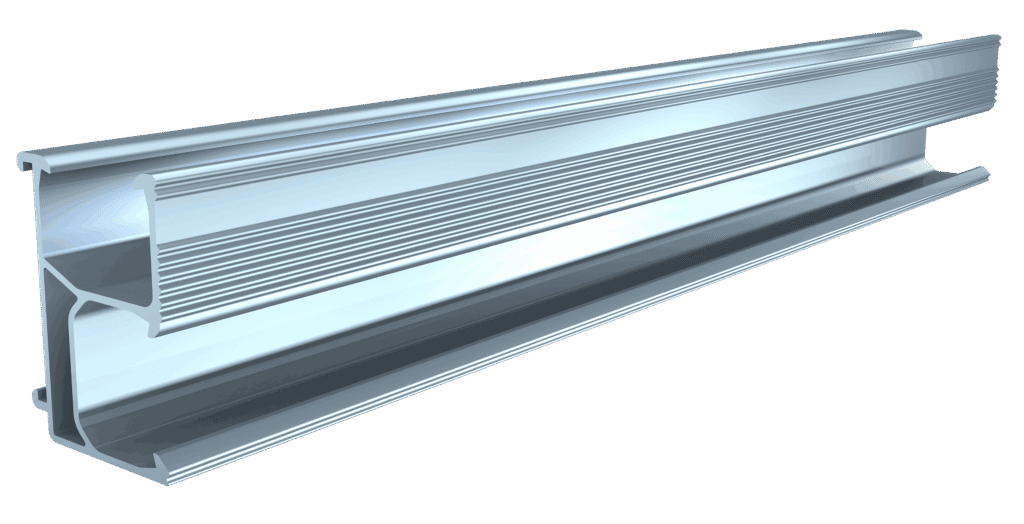
従来の太陽光発電用レールシステムでは、モジュールアレイ全体にわたって連続した長いレールが使用されます。これらのレールは通常、アルミニウム製のプロファイル(1本あたり2~4メートル)が連結されて連続構造を形成しています。
代表的な構成要素
| 成分 | 機能 |
|---|---|
| 轨道 | 太陽光発電モジュールに対する継続的なサポート |
| レールスプライス | レールセクションを接続する |
| L字型脚/屋根用フック | レールを屋根構造に固定する |
| 中間クランプと端部クランプ | Secure modules to rails |
主な特徴
- 高い構造的連続性:連続梁システムを形成する
- 明確な荷重経路:モジュール → レール → ベース → 屋根構造
- 成熟した技術:数十年にわたるエンジニアリング検証
- 幅広い適用性:あらゆる屋根タイプに適しています
ミニレールシステムとは何ですか?
定義
ミニレールシステムは、モジュールを支えるために、短く分割されたレール(通常300~600mm)を使用します。各モジュールは、連続した長いレールではなく、複数の短いレールによって支えられます。
代表的な構成要素
| 成分 | 機能 |
|---|---|
| Mini Rails | Short segmented support (300–600 mm) |
| Integrated Base | Combined rail + mounting base |
| 中間クランプと端部クランプ | Fix modules to rails |
主な特徴
- 構造が簡素化:連続レールは不要
- 柔軟な設置:屋根の障害物を簡単に回避できます
- 軽量設計:アルミニウム使用量を30~50%削減
- 主要应用:金属屋顶(尤其是梯形屋顶)

主な違い:ミニレールと従来型レール
1. 構造構成
| 側面 | 伝統的なレール | ミニレール |
|---|---|---|
| 軌道連続性 | 連続 | セグメント化された |
| コンポーネント | (レール+継手+ベース) | (統合設計) |
| 構造論理 | 連続ビーム | ポイントサポート |
| 屋根の平坦度に関する要件 | より高い | 低い位置(独立した水平調整) |
2. 負荷分散
| 側面 | 伝統的なレール | ミニレール |
|---|---|---|
| 負荷分散 | 均等に分布 | 固定点に集中 |
| 構造的冗長性 | 高い | より低い |
| ストレス集中 | 低い | より高い |
コスト比較
1. 材料費
| コスト項目 | 伝統的なレール | ミニレール | 違い |
|---|---|---|---|
| アルミニウムの使用 | ベースライン | 30~50%減 | 連続レールなし |
| スプライスコネクタ | 必須 | 必須ではありません | 部品点数を削減 |
| 基本構成要素 | 必須 | 統合 | コスト転嫁 |
| パッケージ | より高い | より低い | 短いプロファイルの利点 |
結論:ミニレールは材料費を約20~35%削減する。
2. 設置費用
| コスト項目 | 伝統的なレール | ミニレール | 違い |
|---|---|---|---|
| インストール時間 | ベースライン | 30~50%減 | 手順が少なくなる |
| ツール | 切断装置が必要 | 基本的なツール | よりシンプルに |
| 必要なスキル | 中くらい | より低い | より簡単に設置可能 |
結論:ミニレールは設置コストを約30~50%削減します。
3. 物流コスト
| コスト項目 | 伝統的なレール | ミニレール | 違い |
|---|---|---|---|
| 包装容量 | 大 | 小さい | 短いレール |
| 輸送効率 | より低い | より高い | コンテナあたりのユニット数を増やす |
| 取り扱い | 複数人 | 一人暮らし | 軽量 |
結論:ミニレールは物流コストを約20~30%削減する。
4. 総費用概要
| コストカテゴリー | 伝統的なレール | ミニレール |
|---|---|---|
| 材料 | ベースライン | ↓ 20–35% |
| インストール | ベースライン | ↓ 30–50% |
| ロジスティクス | ベースライン | ↓ 20–30% |
| プロジェクト総費用 | ベースライン | ↓ 25–40% |
設置効率の比較
ミニレールの利点
| 利点 | 説明 |
|---|---|
| 長距離アライメントなし | 独立設置 |
| 切断は不要です | 標準ショートレール |
| 接合なし | 接続数が少ない |
| 一人での設置作業 | 軽量 |
| 柔軟なレイアウト | 障害物を容易に回避する |
典型的な結果:設置時間が30~50%短縮されます。
Characteristics of Traditional Rails
| 特徴 | 説明 |
|---|---|
| Precise alignment required | Entire row must be level |
| Cutting required | On-site adjustment |
| Splicing required | Multiple rail connections |
| Multi-person handling | Long rails |
Structural Performance Comparison
1. Strength and Stability
| 側面 | 伝統的なレール | ミニレール |
|---|---|---|
| Overall stiffness | より高い | より低い |
| Bending resistance | 優良 | Depends on rail |
| Torsional resistance | 良い | より低い |
| 構造的冗長性 | 高い | より低い |
Conclusion:
Traditional rails offer better performance in high-load and large-span scenarios.
2. Wind Load Performance
| 側面 | 伝統的なレール | ミニレール |
|---|---|---|
| Uplift resistance | 優良 | 良い |
| High wind suitability | ✅ Yes | ⚠️ Reinforcement needed |
| 振動 | より低い | より高い |
Design recommendation:
- Normal wind → Both suitable
- High wind → Increase fixing points for Mini Rail
- Typhoon zones → Prefer traditional rails
3. Snow Load Performance
| 側面 | 伝統的なレール | ミニレール |
|---|---|---|
| Load capacity | 優良 | 良い |
| 大雪地域 | ✅ Suitable | ⚠️ Reinforced design |
4. Long-Term Reliability
| 側面 | 伝統的なレール | ミニレール |
|---|---|---|
| Design maturity | Very high | 高い |
| Engineering validation | Decades | Recent |
| Failure predictability | 高い | Requires precision |
適用シーン
When to Choose Mini Rail
- Trapezoidal metal roofs
- Small to medium projects (<500 kW)
- Cost-sensitive projects
- Fast installation requirements
- Roofs with obstacles
When to Choose Traditional Rails
- Large-scale projects (>1 MW)
- High wind or snow regions
- High structural reliability requirements
- Regular, unobstructed roofs
設計上の考慮事項
Fixing Point Layout
| System | Recommendation |
|---|---|
| Traditional | 2–3 fixing points per side |
| ミニレール | 3–4 fixing points per side |
Roof Structure
All fixing points must align with purlins.
防水
| System | 解決 |
|---|---|
| Penetrating systems | EPDM + sealant |
| 立ち継ぎ | Non-penetrating clamps |
Load Calculation
- Always calculate wind and snow loads
- Increase fixing density in extreme conditions
- Pay attention to vibration in Mini Rail systems
Common Misconceptions
Here’s a more concise version while keeping it professional:
Misconception 1: Mini Rail Can Replace Traditional Rails
Fact: Mini Rail has advantages in some cases, but traditional rails perform better in large projects and high wind/snow areas. They are complementary, not replacements.
Misconception 2: Ignoring Roof Structure
Fact:Mini Rail requires accurate purlin positioning. Poor layout can prevent proper installation. A roof survey is essential.
Misconception 3: Focusing Only on Low Cost
Fact: Cost savings depend on proper design. In harsh conditions, insufficient fixing points can cause structural risks.
Misconception 4: Mini Rail Is Always Faster
Fact: Mini Rail is faster for small or complex roofs, but on large, regular roofs, the efficiency gap is smaller.
Industry Trends
- Shift toward lightweight and fast-install systems
- Growth of pre-assembled Mini Rail solutions
- Development of rail-free systems
- Increasing focus on installation efficiency
Choosing the Right Rail System
Mini Rail and traditional rails are complementary solutions, not competitors.
Quick Selection Guide
| Project Condition | Recommended System |
|---|---|
| Trapezoidal roof + small project | ミニレール |
| Large, regular roof | 伝統的なレール |
| High wind/snow | 伝統的なレール |
| Tight schedule | ミニレール |
| Complex roof | ミニレール |
| 高い信頼性 | 伝統的なレール |
SOEASY Rail System Solutions
SOEASY provides complete rooftop mounting solutions:
- Mini Rail System:
Designed specifically for trapezoidal metal roofs, featuring a lightweight structure, fast installation, and optimized cost, with support for rail-free solutions. - Traditional Rail System:
A mature and reliable continuous rail solution, suitable for all roof types and capable of meeting high-standard project requirements. - Material Selection:
Made from AL6005-T6 aluminum alloy with anodized surface treatment, offering excellent corrosion resistance. - Complete Accessories:
Full range of components including L feet, roof hooks, mid & end clamps, and waterproof sealing washers. - Technical Support:
Comprehensive services covering load calculation, system design, and installation guidance.
よくある質問
Is Mini Rail better than traditional rails?
It depends on the project. Mini Rail is better for small, cost-sensitive projects, while traditional rails are better for high-load scenarios.
Can Mini Rail be used in high wind areas?
Yes, but additional fixing points and reinforcement are required.
Which system is more cost-effective?
Mini Rail generally reduces total project cost by 25–40%.