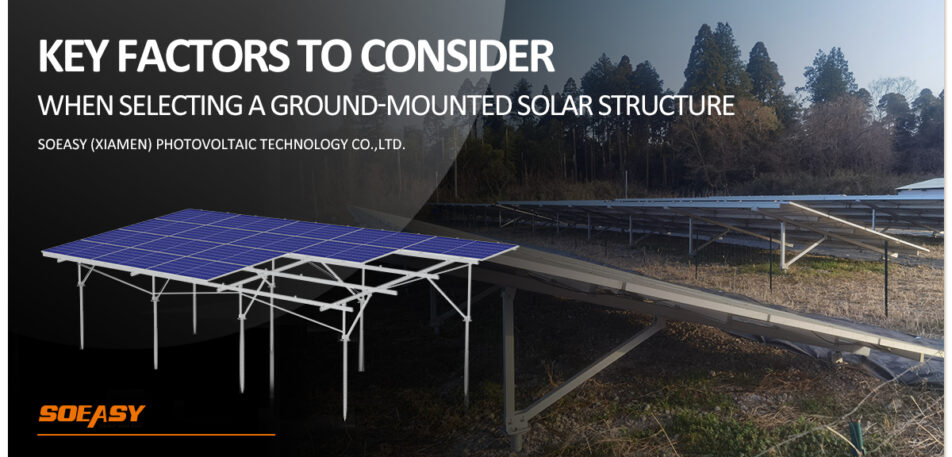
太阳能地面支架是光伏电站的基石。它直接影响系统安全、发电效率和投资回报率。不同的项目面临着截然不同的地形、气候和土壤条件。没有一种安装方案能够适用于所有情况。选择错误的支架会导致更高的建设成本、更低的发电量、更高的维护费用,甚至带来结构安全隐患。本文将带您了解选择地面安装式太阳能支架时需要考虑的关键因素。

项目场地条件:从地基开始

地形特征

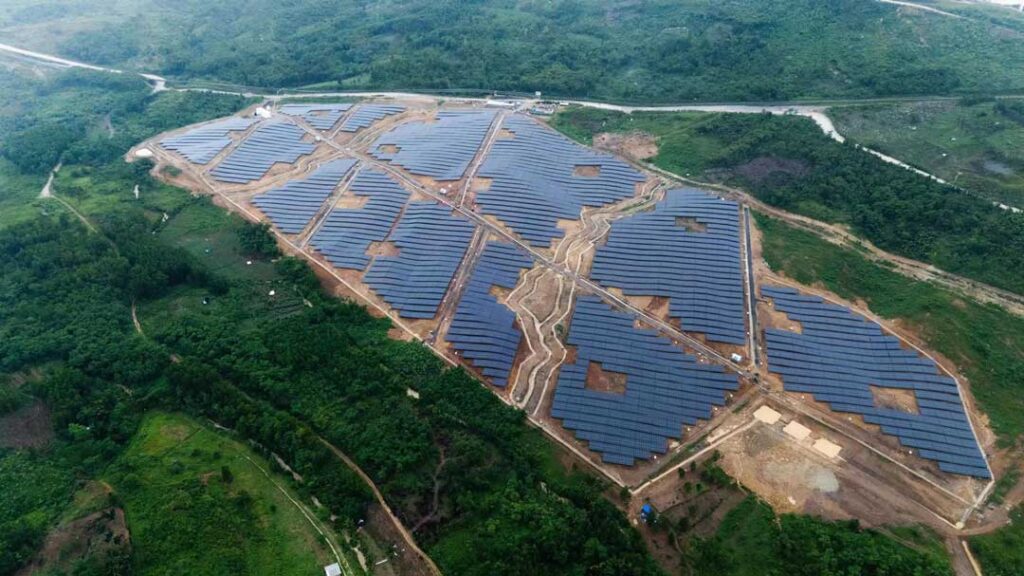
地块的形状和坡度对结构设计影响巨大。平坦的地面、山地、丘陵和不规则的坡地都需要不同的施工方法。您需要评估场地平整成本、阵列高度调整的必要性以及所需的土方工程量。

地形自适应支架具有显著优势。它们减少了大规模土地平整的需求,降低了建设成本,并提高了土地的整体利用率。这些系统并非强行改造土地以适应建筑物,而是让建筑物顺应场地的自然轮廓。

土壤条件

土壤类型决定了哪种地基方案最有效。常见的土壤类型包括黏土、沙土、岩层、回填土和冻土。每种土壤类型都面临着独特的挑战。评估的关键因素是土壤承载力、地下水位和长期沉降风险。在密实黏土中表现良好的地基,在疏松的沙土中可能完全失效。

地基选择

下表比较了地面安装式太阳能装置的三种最常见基础类型。

基础类型最适合主要优势主要不足
螺旋地桩一般土壤,农光互补项目无需混凝土,安装快捷,可回收利用不太适合在岩石地面上
打入桩基础大型项目,高风速地区容量大,安装速度快需要重型驾驶设备
混凝土基础土壤松软,积雪厚重,地质特殊卓越的稳定性,超长的使用寿命成本较高,安装速度较慢

螺旋桩基

螺旋地桩适用于大多数一般土壤条件。它们尤其适用于需要最大限度减少土壤扰动的农光互补项目。地锚螺钉无需混凝土,安装快捷,并且在项目结束后可以完全拆卸和回收。对于需要快速部署且对环境影响最小的项目而言,地锚螺钉是绝佳之选。

打入桩基础

打入式桩是大型地面电站和高风速地区的理想选择。它们具有高承载能力和极快的施工速度。当大型场地需要数千个基础时,打入式桩能够兼顾强度和效率。

混凝土基础

混凝土基础在各种复杂条件下都能提供最高的稳定性。对于软土层、积雪厚重的地区以及其他类型基础可能无法可靠发挥作用的特殊地质条件,混凝土基础是首选方案。虽然混凝土基础造价更高、施工速度更慢,但它具有卓越的长期耐久性。
风荷载和雪荷载要求

风荷载分析

风荷载会摧毁设计不合理的结构。您必须评估当地的极端风速、周围地形的影响以及太阳能电池阵列的总高度。高风险风灾地区包括易受海洋风暴侵袭的沿海地区、台风多发地区以及没有防风设施的开阔沙漠地区。

风荷载直接影响结构设计。工程师必须采用更大尺寸的柱子,增加斜撑,并加深基础深度以抵抗上拔力。忽略正确的风荷载分析是地面安装工程中最常见且最危险的错误之一。

雪荷载分析

在多雪地区,积雪的重量会使轨道弯曲、模块框架变形,甚至导致整个结构坍塌。您需要同时考虑年平均积雪量和极端单次降雪荷载。

针对雪荷载的设计优化措施包括提高钢轨和梁的强度、减小钢轨跨度以防止下垂以及提高离地间隙,避免积雪掩埋模块的下边缘。这些措施虽然前期会增加成本,但可以防止后期发生灾难性故障。

材料选择和耐腐蚀性

热浸镀锌钢

热浸镀锌钢材强度高,价格经济实惠。它适用于腐蚀风险中等的标准环境条件。对于大多数内陆或郊区的地面安装项目而言,镀锌钢材在成本和性能之间实现了最佳平衡。

锌铝镁钢

锌铝镁合金涂层钢具有卓越的耐腐蚀性,且切割边缘具有自愈能力。这种材料非常适合盐雾侵蚀严重的沿海地区、高湿度环境以及需要长期接触肥料和水分的农光互补项目。虽然价格略高于普通镀锌钢,但其更长的使用寿命通常足以弥补这笔投资。

铝结构

铝材重量轻且具有天然的耐腐蚀性,最适合对轻量化有特殊要求的项目,例如屋顶系统或便携式地面安装装置。然而,铝材的刚性不如钢,而且通常成本更高,这限制了其在大规模地面安装应用中的使用。

固定式支架与可调节支架

Fixed-Tilt Systems

Fixed-tilt systems are the industry standard for most ground-mounted solar projects. They cost less, use simpler structural designs, and require minimal maintenance over their operating life. For projects in regions with stable seasonal sunlight patterns, fixed tilt is often the most rational choice.

Adjustable Structures

Adjustable structures allow seasonal tilt changes to optimize power generation. They are best suited for high-electricity-price markets where every extra kilowatt-hour matters, and for projects with limited land area where maximizing output per square meter is essential. The higher upfront cost can be recovered through increased energy production.

Click here to see our solar mounting solutions

Installation Efficiency and Labor Costs

Pre-assembled components reduce on-site construction time and lower the risk of installation errors. Modular designs are easier to transport and faster to assemble. Installation efficiency directly affects labor costs, total project duration, and EPC profit margins. A mounting system that saves one week of installation time on a large project can generate substantial savings.

Long-Term Maintenance Considerations

Your mounting structure must allow easy access for ongoing maintenance. Design should include clear maintenance pathways and adequate space for panel cleaning. Structural durability matters equally. Regular inspections should focus on rails, connector components, and the foundation system.

Lifecycle cost analysis is essential. Do not focus only on the purchase price. Consider the full 25-year or longer service life, including annual maintenance costs, potential repair expenses, and replacement costs for failed components. A cheaper structure that fails early is far more expensive than a quality structure that lasts decades.

Compliance with Local Standards

Every project must comply with local structural design standards. North America follows ASCE 7, Europe uses Eurocode, Japan enforces JIS standards, and Australia requires AS/NZS compliance. Meeting these standards ensures structural safety, smooth project approval and grid connection, and qualification for project financing. Non-compliant designs put the entire investment at risk.

Choosing the Right Supplier

Technical Support Capability

Does your supplier have in-house structural calculation capabilities? Can they perform wind and snow load analysis for your specific site? Do they offer custom engineering services? A supplier with strong technical support will prevent problems before construction begins.

Manufacturing Capability

Evaluate production capacity, typical delivery lead times, and quality control processes. A supplier who cannot deliver on time or maintain consistent quality will jeopardize your project schedule.

Project Experience

Review global project case studies. Look for experience with similar terrain, climate conditions, and project scales. Long-term operational performance across real-world installations is the best indicator of future reliability.

Frequently Asked Questions: Ground-Mounted Solar Structures

What is the most common foundation type for ground mounts?
Ground screws and driven piles are most common, depending on soil conditions and project scale.

Which material lasts longest in coastal areas?
Zn-Al-Mg coated steel or hot-dip galvanized steel with extra thickness.

Can I use fixed tilt in heavy snow regions?
Yes, but you must increase structural strength and reduce rail spans.

How much clearance is needed for agrivoltaic projects?
Typically 1.5 to 2.5 meters, depending on crop type and machinery.

Does SoEasy Solar offer custom ground mount design?
Yes. We provide full engineering services including wind and snow load analysis and terrain-adaptive designs.

The Right Structure Is the Foundation of a Successful Solar Project

Selecting a ground-mounted solar structure is not just a product choice. It is a complete system engineering decision. Terrain, soil, wind and snow loads, materials, corrosion protection, foundation type, and installation efficiency must all be evaluated together. The right mounting solution improves system reliability, lowers maintenance costs, and maximizes long-term return on investment.

SoEasy Solar provides a full range of ground-mount solutions, including ground screw systems, Zn-Al-Mg coated steel structures, terrain-adaptive mounting systems, and agricultural solar mounting solutions. We offer worldwide customers one-stop service from structural design to project delivery