为什么屋顶类型对太阳能安装设计很重要

屋顶是分布式太阳能项目最常见的安装场所之一。不同的屋顶结构决定了安装系统的选择、安装方法以及项目的总成本。许多业主和安装人员容易将瓦片屋顶与斜屋顶混淆,但两者并非同一概念。它们的安装方法也存在差异。这篇博客中,索亿斯将帮助您了解瓦片屋顶和斜屋顶之间的区别,并指导您选择合适的太阳能安装方案。

了解瓦屋顶和斜屋顶

什么是瓦屋顶?

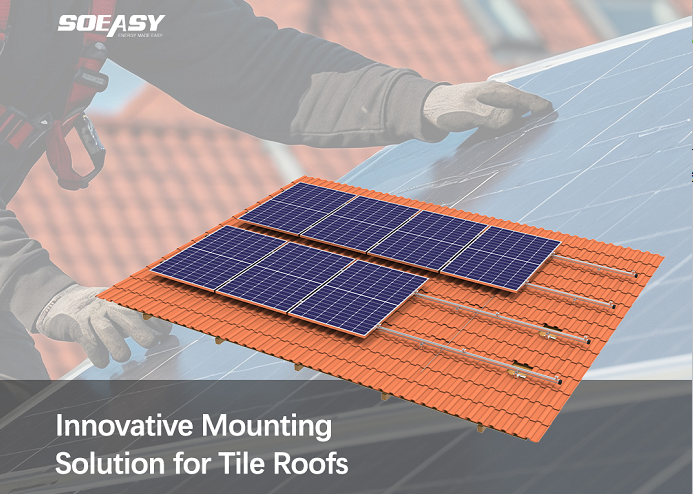
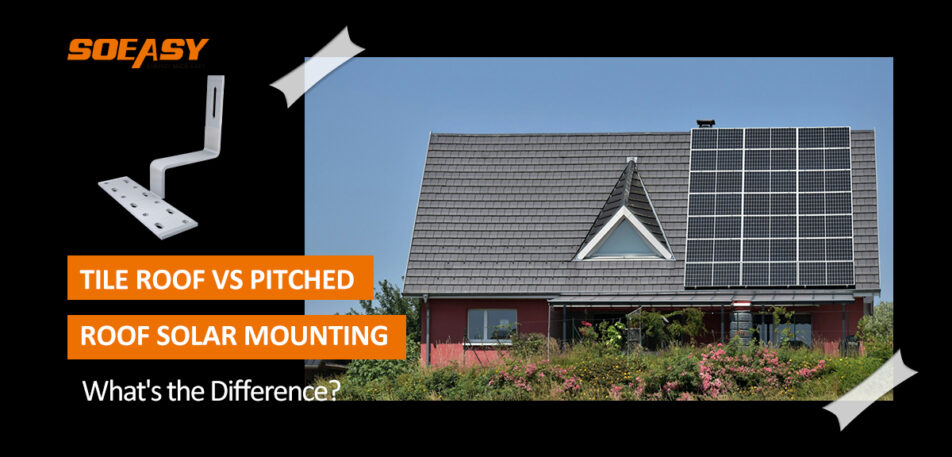
瓦屋顶是指以瓦片为覆盖材料的屋顶。常见的瓦屋顶类型包括陶瓦屋顶、混凝土瓦屋顶、石板瓦屋顶和西班牙瓦屋顶。瓦屋顶既可用于平屋顶,也可用于坡屋顶。

什么是斜屋顶?

A pitched roof is defined by its sloped structural form, regardless of the covering material. Common roofing materials on pitched roofs include metal sheets, asphalt shingles, clay tiles, concrete tiles, and corrugated steel. The defining characteristic is the roof slope or angle, not the surface material.

Common Misunderstanding

The key confusion is simple. Tile roof focuses on the roofing material, while pitched roof focuses on the structural form. In real-world projects, most tile roofs are also pitched roofs. However, not all pitched roofs use tiles. Understanding this distinction matters because mounting solutions depend on both material and structure.

Structural Differences That Affect Solar Installation

The surface characteristics of tile roofs and metal pitched roofs differ greatly. Tile roof surfaces are brittle and prone to cracking, so installers must avoid applying direct pressure or stress to the tiles themselves. Metal pitched roofs, in contrast, offer higher strength and more flexibility in mounting point selection, allowing direct attachment using clamps.

Load transfer methods also vary between roof types. On tile roofs, the solar array load must transfer through the tiles down to the wooden rafters or concrete structural layer below. Tiles themselves cannot bear any structural weight. On other pitched roofs such as standing seam metal roofs, clamps can transfer loads directly without penetrating the roof surface.

Mounting Solutions for Tile Roof Solar Systems

Roof hooks are essential for tile roof solar installations. These specialized hooks connect the mounting system directly to the structural layer beneath the tiles, preventing the tiles from bearing any load.

Common tile roof hooks include fixed roof hooks for standard tile roofs, adjustable roof hooks for projects where tile heights vary significantly, and heavy-duty roof hooks for high-wind or heavy-snow regions. Waterproofing requires careful attention. Installers must maintain tile integrity, prevent rainwater leakage around penetrations, and ensure long-term waterproof performance over the system’s 25-year lifespan.

Mounting Solutions for Other Pitched Roof Types

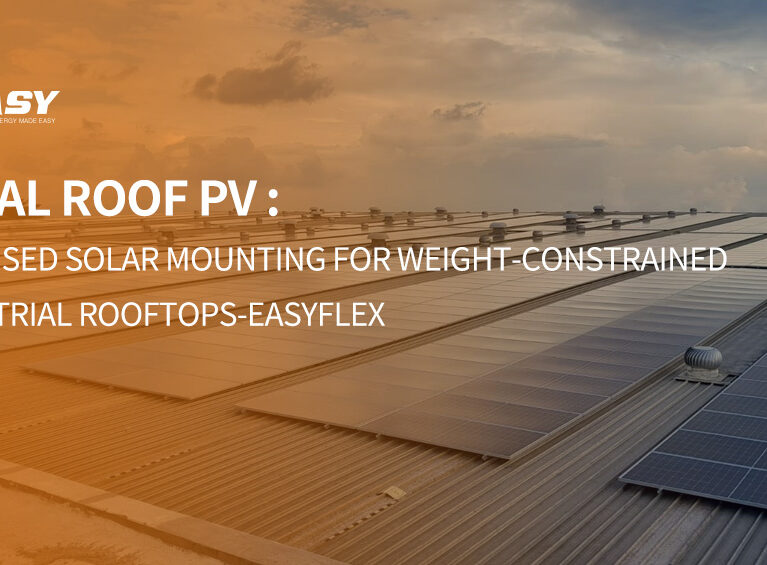
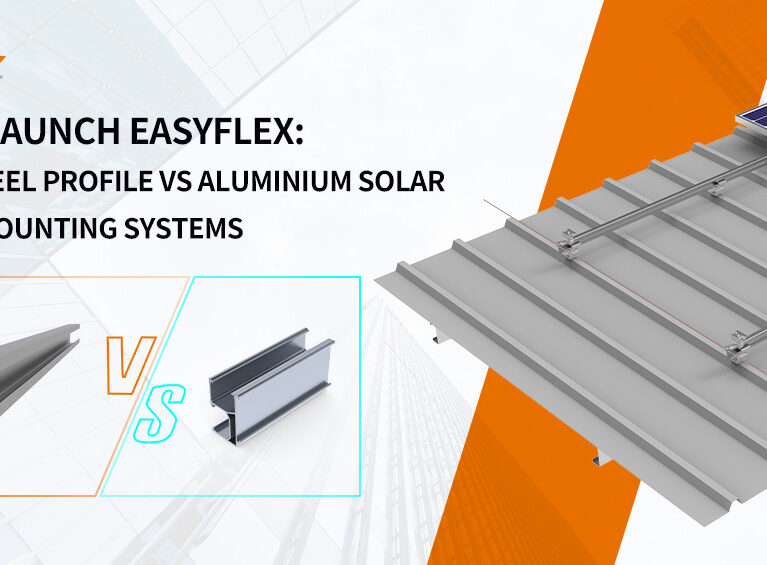
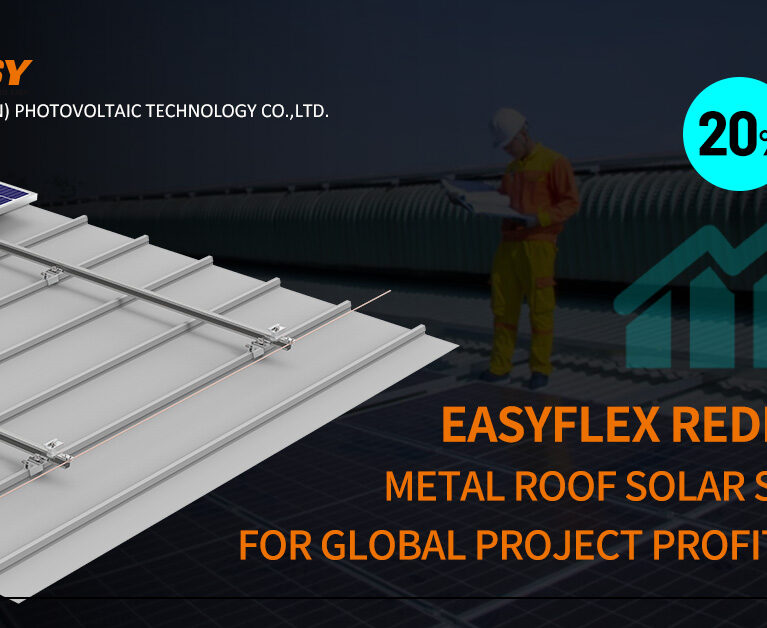
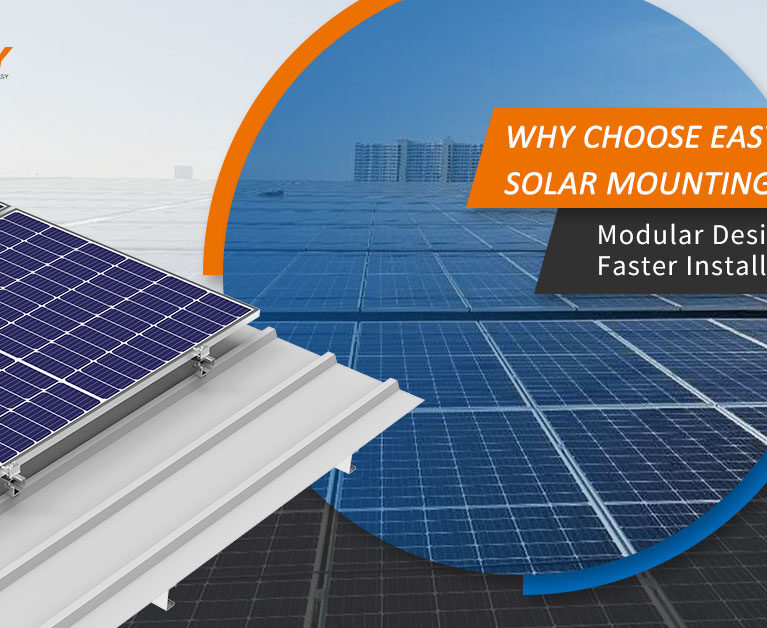
Corrugated metal roofs can use L-feet solutions, hanger bolt systems, or rail-based mounting approaches. Standing seam roofs offer a major advantage because non-penetrating clamps attach directly to the seams without any drilling, preserving the original waterproofing integrity entirely. Trapezoidal metal roofs work well with mini rail systems, short rail systems, or direct attachment solutions depending on the specific panel profile.

Installation Complexity Comparison

The table below summarizes the key differences in installation complexity between tile roofs and metal pitched roofs.

Comparison Item瓦屋顶Metal Pitched Roof
安装速度SlowerFaster
Waterproofing RequirementsRelatively Simple
Construction Difficulty更高降低
Risk of Roof Damage更高降低
Number of Mounting ComponentsMoreFewer

Tile roof installations generally take longer and demand more skill. Workers must lift and remove tiles, position roof hooks accurately, then reset the tiles properly. This process slows down the overall installation speed. Waterproofing requirements are more demanding on tile roofs because every penetration creates a potential leak point. Metal pitched roof installations are typically faster, with clamp-based systems requiring no tile handling and fewer components overall.

Wind and Snow Load Considerations

For tile roof systems, the primary focus is on hook strength and the reliability of connections between hooks and roof rafters. Preventing tile cracking under wind uplift or snow loads is also critical. For metal roof systems, clamp grip strength matters most. Installers must verify the metal sheet thickness and perform proper wind uplift calculations for the specific panel profile.

Regional design requirements add another layer of complexity. Typhoon-prone areas, heavy-snow regions, coastal projects, and mountain sites each demand different safety factors and component specifications.

Frequently Asked Questions: Tile Roof vs Pitched Roof Solar Mounting

Can I install solar on any tile roof?
Most tile roofs can support solar, but the structural condition underneath must be verified first.

Which roof type is cheaper for solar installation?
Metal pitched roofs are generally cheaper and faster to install than tile roofs.

Do tile roofs need special waterproofing?
Yes. Every roof hook penetration requires proper flashing or sealing to prevent leaks.

What is the biggest risk with tile roof solar?
Cracking tiles during installation, which adds cost and delays.

Are non-penetrating options available for pitched roofs?
Yes, standing seam metal roofs allow completely non-penetrating clamp attachments.

Different Roofs Require Different Mounting Strategies

Tile roofs and pitched roofs are not the same concept, even though many tile roofs are also pitched. For tile roof projects, the focus is on hook design, waterproofing, and reliable structural connections beneath the tiles. For metal pitched roof projects, the focus shifts to clamp selection, installation speed, and verifying sheet metal strength. Choosing the correct mounting solution not only improves construction efficiency but also ensures more than 25 years of safe system operation.

SoEasy Solar provides complete solar mounting solutions for tile roofs, metal roofs, and pitched roofs. We help installers and EPC companies achieve optimal project designs for any roof condition.