English

 Post by
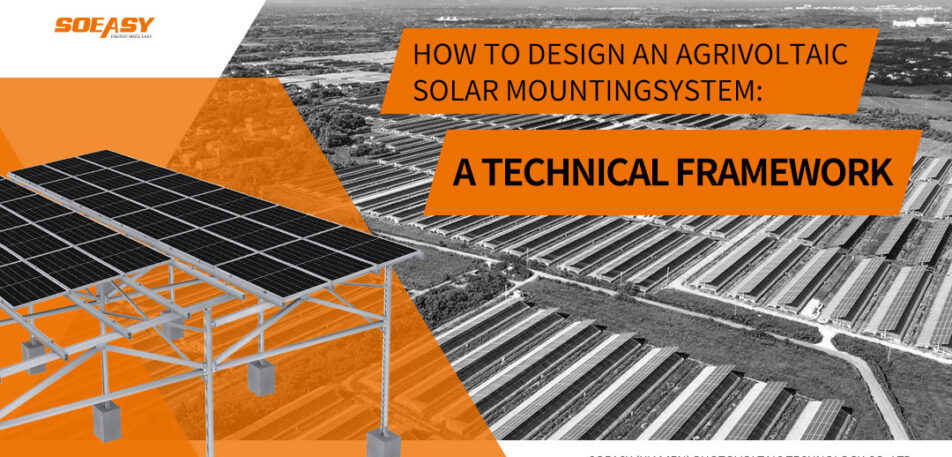
 アグロフォトボルタイック(農業と太陽光発電の融合)の設置構造は、あらゆるデュアルユースプロジェクトの基盤となります。従来の地上設置架台とは異なり、リフト式太陽光発電設置システムは、太陽光パネルをしっかりと固定すると同時に、その下で作物の生育に適した環境を作り出すという、2つの課題を同時に達成しなければなりません。この目標を達成するためには、体系的な設計手法を採用する必要があります。以下の6つの工学分野が、成功するアグロフォトボルタイック支持システムを定義しています。
1. 農業との共存を考慮した設計
作物のニーズが設計プロセス全体を左右します。エネルギー収量を最適化する前に、まず以下の植物の生物学的特性や栽培上の要件を理解する必要があります。
1.1 垂直クリアランスの要件
作物の形態や農機具によって、高架式太陽光発電システムの設置における最低高さが決まります。
- 野菜および畑作作物:モジュールの縁を、成熟した作物の樹冠より少なくとも2.5メートル高く保つこと。これにより、湿った空気の滞留を防ぎ、 病害の発生を抑制することができる。 Keep the lowest module edge at least 2.5 meters above the mature plant canopy. This prevents humid, stagnant air pockets that encourage disease.
- 果樹園およびブドウ園:樹冠の高さおよび収穫機器の到達範囲を3.5~4.0メートル、あるいはそれ以上に引き上げる。 Raise the clearance to 3.5–4.0 meters or higher to accommodate tree height and the reach of harvesting equipment.
- 機械化農業:トラクター、コンバイン、または噴霧機を稼働させる際は、構造物の頭上スペースを3.5メートル以上確保し、最も高い機器の上方には安全マージンを追加すること。 Where tractors, harvesters, or sprayers operate, maintain a structural headroom of ≥3.5 meters, adding a safety margin above the tallest machine.
1.2 光の分布と日射管理
農業と太陽光発電の相補的利用における設置構造は、決して一面の影を落とすようなものであってはなりません。むしろ、光の当たり方を慎重に調整する必要があります。
- 間隔戦略:モジュール間またはモジュール列間に意図的な隙間を設けることで、目標とする光合成有効放射(PAR)透過率を達成する。 Introduce intentional gaps between modules or module strings to achieve your target Photosynthetically Active Radiation (PAR) transmittance.
- 傾斜角度の決定:パネルの傾斜角度を数度だけ小さくし、最大エネルギー角度から少しずらすことで、作物により多くの拡散光が当たるようにします。また、 季節に応じて調整可能な傾斜装置や単軸トラッカーを使用して、1日を通しての日陰のパターンを変えることもできます。 Reduce the panel tilt a few degrees from the maximum-energy angle to let more diffuse light reach the crops. You can also use seasonal adjustable tilt or single-axis trackers to alter the shading pattern throughout the day.
- 両面モジュール:地面や作物から反射する光を捉えることで改善が図れますが、作物に優しい効果を維持するためには、最終的な影と日照の比率を再評価する必要があります。 Capturing ground and crop-reflected light helps, but you must reassess the resulting shade-to-light ratio to keep it crop-friendly.
1.3 リストグリッドと農業機械へのアクセス
The layout of the agrivoltaic support system must integrate smoothly with daily farm logistics.
- 行間:南北の積み重ねの間隔を、最大農機具の作業幅および旋回半径よりも広く設定する。 Set the north-south pile spacing wider than the working width and turning radius of the largest farm machine.
- 支柱の配置:恒久的な障害物が生じないように、各支柱を栽培ベッド、灌漑配管、および温室の換気口と位置合わせする。 Align every post with the planting beds, irrigation lines, and greenhouse ventilation openings to avoid permanent obstructions.
- 共同設計:基礎の打設を行う前に、できるだけ早い段階で農学者や農場運営者を計画プロセスに参画させる。 Bring agronomists and farm operators into the planning process early, before you pour any foundation.
2. 構造設計と荷重の決定
パネルを地面から持ち上げると、より強い風の影響を受けることになります。そのため、 この高架式ソーラーマウントシステムには、標準的な地上設置方式を単純に流用することは できません。
2.1 風雪荷重
- 風荷重解析:高さの増加に伴い露出面積が拡大するため、一般的な建築基準に依存するのではなく、風洞試験または計算流体力学(CFD)シミュレーションを用いて圧力係数を算出する必要がある。突風の影響や渦剥離現象には特に注意を払う必要がある。 Because of the increased height and open exposure, obtain pressure coefficients from wind tunnel tests or Computational Fluid Dynamics (CFD) simulations rather than generic building codes. Pay close attention to gust effects and vortex shedding.
- 積雪対策:静荷重に加え、傾斜したモジュールから雪が滑り落ちることも、さらなる危険要因となります。作物を保護し、温室フィルムが突然の雪の滑落による影響を受けないようにするため、積雪防止装置や固定レールを 農業用電圧設置構造に組み込む必要があります。 Beyond static weight, snow sliding from tilted modules creates a second hazard. You need to integrate snow guards or retention rails into the agrivoltaic mounting structure to protect crops and greenhouse films from sudden snow slides.
2.2 立地選定と土壌保全
その基盤は、耕作可能な土地を保護しつつ、構造的な安定性を確保するものでなければなりません。
- 推奨される基礎の種類:プレストレストコンクリート杭またはスクリュー杭を使用する Use prestressed concrete driven piles or helical steel piles.
- 埋設深度:杭のキャップを有効耕層より下に設置する。これにより、表土の撹乱を最小限に抑え、その後の完全な土地復元を可能にする。 Drive the pile cap below the active cultivation layer. This minimizes topsoil disturbance and makes full land restoration possible later.
- 水文上の安全性:すべての柱脚および電気接続部は、過去最高の地下水位または洪水水位より上に設置すること。 Position all column bases and electrical connections above the historical maximum groundwater or flood level.
3. 腐食性の農業環境における防食対策
農場環境が鉄鋼に及ぼす腐食のメカニズムは、一般的な太陽光発電所では経験したことのないものです。肥料の霧、農薬の散布、動物の排泄物、そして絶え間ない湿気が相まって、腐食性の化学物質の混合物を形成しています。したがって、これに対応した適切な保護対策を講じる必要があります。
3.1 コーティングおよび材料の仕様
- 腐食性分類:少なくともISO 12944 C4(高腐食性)を選択し、集約的な畜産環境や熱帯の湿度条件下ではC5に引き上げる Select at least ISO 12944 C4 (High Corrosivity), and upgrade to C5 for intensive livestock operations or tropical humidity.
- 溶融亜鉛めっき:平均亜鉛めっき厚が85マイクロメートル以上と規定されている Specify an average zinc coating thickness of ≥85 µm.
- 締結部品の選定:すべてのボルト、ワッシャー、クランプ、およびテンションワイヤーには、ステンレス鋼(A2またはA4グレード)を使用すること。これにより、接合部での電気化学腐食を防ぐことができる。 Use stainless steel (A2 or A4 grade) for all bolts, washers, clamps, and tension wires. This prevents galvanic corrosion at the joints.
3.2 Condensate Management
Galvanized steel runoff can cause leaf burn when it drips onto crops. To solve this, your elevated solar mounting system design should incorporate dedicated drip channels or deflector profiles. Route the condensate away from the plant canopy, for example by aligning drip edges above a service path rather than a crop row.
4. Electrical Safety and Lightning Protection
People and machinery move under live DC circuits every day, so safety demands a zero-tolerance approach.
- Equipotential bonding: Connect all metallic components—the agrivoltaic support system frame, cable trays, inverter housings—into a single continuous grounding grid.
- Lightning protection: You can use the metal framework as a natural down conductor, but first verify its continuity and current-carrying capacity. This prevents dangerous side-flashing to crop structures or personnel.
- Cable management: Route all DC cables inside protective conduits or elevated trays well above the human reach envelope. Never leave an exposed connector at an accessible height.
5. 運用と保守の統合
アップグレードされた太陽光発電システムは、農業のスケジュールに支障をきたすことなく、安全かつ効率的にメンテナンス作業を行えるものでなければならない。
- メンテナンス通路:構造用グリッド内に専用の歩道または通路を設置する。これらの通路により、ロボットまたは作業員が作物を踏み荒らすことなく、パネルの清掃を行うことができる。 Build dedicated walkways or access alleys into your structural grid. These allow robotic or manual panel cleaning without trampling the crops.
- 機器の配置:コンテナユニットとワイヤーハーネス用インバーターを、周辺エリアに沿って、あるいは中央のサービス通路内に配置します。これにより、技術者は地上または軽量な 移動プラットフォームから、日常的な作業の大部分を行うことができます。 Place combiner boxes and string inverters along the perimeter or in central service alleys. That way, technicians can perform most routine tasks from the ground or a lightweight mobile platform.
6. 法令遵守および土地利用政策
農業と太陽光発電の融合プロジェクトは、食糧生産を保護することを目的とした厳格な用地規制の対象となります。貴社の農業・太陽光発電融合支援システムの設計においては、規制への準拠を明確に示す必要があります。
- 一般的な要件:最小パネル高さ(例:2.5メートル)、最小列間隔(例:8メートル)、および最大土地被覆率を満たす必要があります。 Expect requirements for a minimum panel height (e.g., 2.5 m), a minimum row spacing (e.g., 8 m), and a maximum land coverage ratio.
- 文書:設計図面には、確保されたクリアランス高さ、柱間距離、および算出された透光率の数値が明確に示されていなければならない。 Engineering drawings should clearly show the achieved clearance heights, column spacing, and calculated light transmittance figures.
- 初期段階での調整:構想段階から、構造設計チーム、農学者、現地の認可担当官の間で足並みを揃えておく必要がある。実際の農業作業を妨げるような構造物は、規制に準拠した農業用太陽光発電システムの基準を満たさない――それは、不毛の地に建てられた一列の高い太陽光パネル架台に過ぎないからだ。 Align the structural design team, agronomists, and local permitting officers during the concept phase. A structure that prevents real farming does not qualify as a compliant agrivoltaic installation—it is simply a high solar rack on unproductive land.
結論
農業用太陽光発電の設置構造は、単なる高架架台にとどまりません。それは、エネルギーと農業を一体化させた工学的なインターフェースなのです。成功する高架式太陽光発電システムを構築するには、明確な階層構造に従う必要があります。まず、十分な高さとスマートな日照調整によって農業の実現可能性を確保し、次に、過酷な環境や稼働負荷に対応できるよう、構造の完全性と電気的安定性を確保します。この体系的で分野横断的な統合アプローチを農業用太陽光発電の支持システムに適用することで、同じ土地上でクリーンエネルギーを生み出しつつ、豊かな農作物を収穫できる、真の二重用途資産を創出することになります。
農業用太陽光発電架台の製造: SOEASY SOLAR