English

 Post by
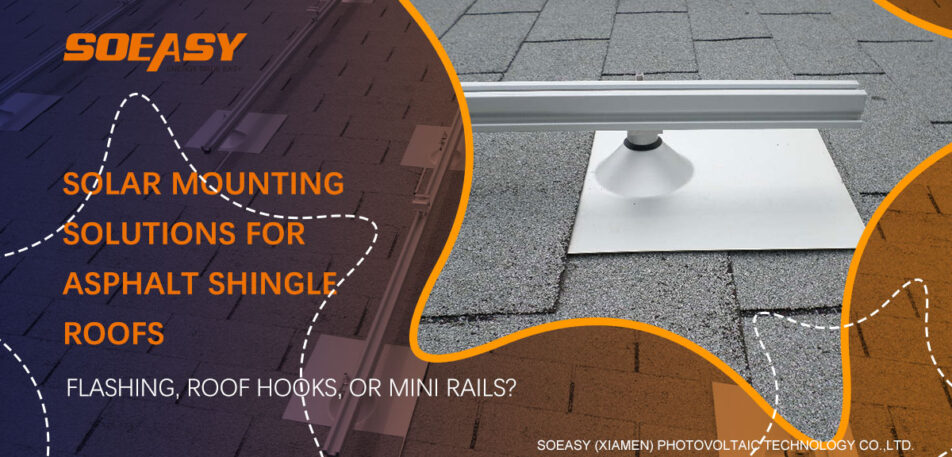
 Asphalt shingle roofs are widely used in residential and light commercial buildings across North America, Europe, and China. Known for their lightweight structure, excellent waterproof performance, and ease of installation, they represent a mature and high-potential market for distributed solar projects.
However, their soft material and strict waterproofing requirements introduce unique installation challenges:
- How to securely fix a solar system without compromising the roof’s waterproof layer?
- Which solution is more suitable: flashing, roof hooks, or mini rail systems?
This guide provides a comprehensive comparison of the three main solar mounting systems for asphalt shingle roofs, helping you select the most suitable solution for your project.
Structure and Installation Characteristics of Asphalt Shingle Roofs
Roof Composition
An asphalt shingle roof is a multi-layer system:
- Shingles – outer layer for aesthetics and initial protection
- Underlayment – the primary waterproof barrier
- Sheathing (OSB/Plywood) – flat installation surface
- Rafters – structural load-bearing elements
All loads from the solar mounting system must ultimately transfer to the rafters.
Material Characteristics
- Soft and non-structural
- Becomes softer under high temperatures
- Highly dependent on intact waterproofing layers
Installation Principles
- Always fix into rafters
- Protect and restore waterproof layers
- Seal all penetrations properly
Comparison of Three Main Mounting Solutions
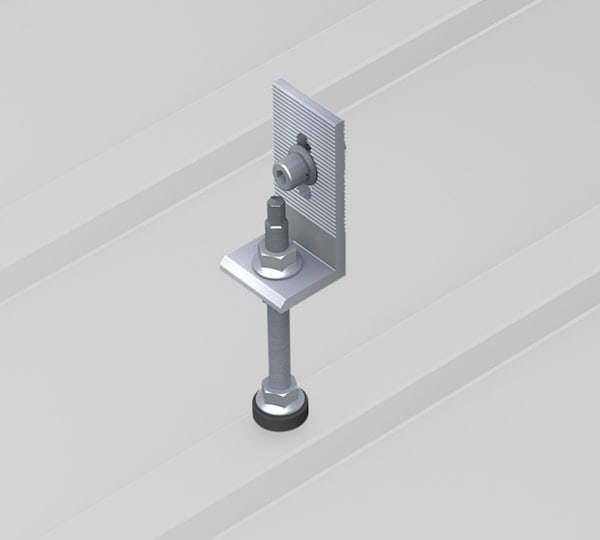
1. Flashing + L-Foot System
The most traditional and reliable solution, widely used in North America.
How It Works
- Flashing acts as a waterproof shield over penetration points
- L-foot connects rails to the structure
Advantages
- Excellent waterproof performance (multi-layer protection)
- Strong structural stability
- Long service life
Best For
- High-end residential projects
- Low-slope roofs
- Projects requiring maximum durability
2. Roof Hook System
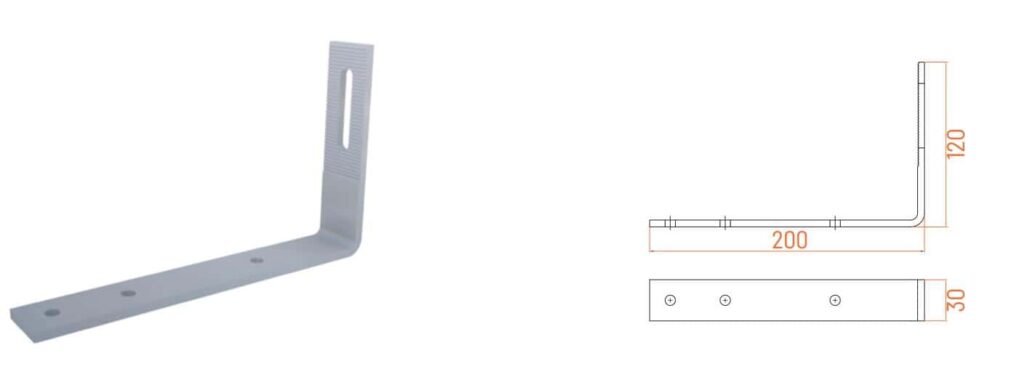
The roof hook system is specifically designed for asphalt shingle roofs, offering a clean and low-profile mounting solution.
产品特性
- Material Options: Aluminum alloy or SUS304 stainless steel for strength and corrosion resistance
- Specifications: Length 150–200 mm; thickness options of 3.5 / 4.0 / 4.5 / 5.0 mm
Design Advantages
- Flat, Low-Profile Design
Engineered to fit seamlessly under asphalt shingles without the need to remove tiles - Hidden Installation
The hook remains concealed beneath the shingles, preserving the roof’s original appearance - Aesthetic and Practical
Combines structural reliability with minimal visual impact, making it ideal for residential projects
Best For
- Projects with high aesthetic requirements
- Homeowners who prefer a clean, low-visibility solar installation
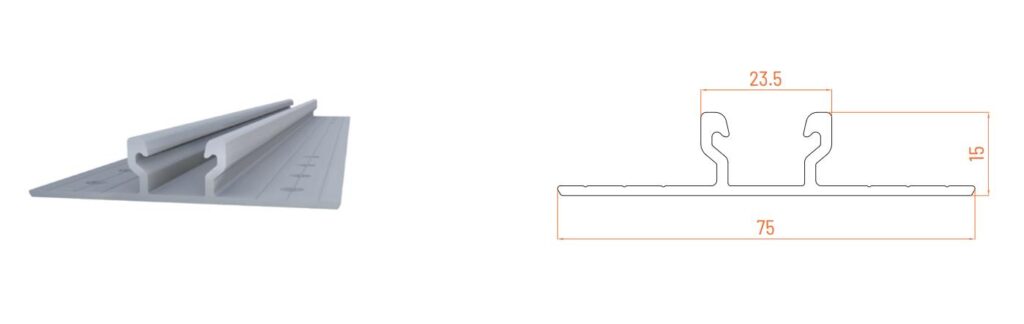
3. Mini Rail System
A highly efficient and cost-effective solution.
How It Works
- Short rails act as both base and support structure
- Directly fixed into rafters
Advantages
- Fewer components
- Faster installation (up to 30% time savings)
- Lower total cost
Best For
- Cost-sensitive projects
- Large-scale distributed installations
Solution Comparison Summary
| Criteria | Flashing + L-Foot | Roof Hook | Mini Rail |
|---|---|---|---|
| Waterproofing | ⭐⭐⭐⭐⭐ | ⭐⭐⭐⭐ | ⭐⭐⭐ |
| Installation Complexity | Medium | Medium | Low |
| Cost | Higher | Medium | Lower |
| Aesthetics | Medium | High | Medium |
| Structural Strength | Excellent | Good | Good |
Engineering Recommendations
Choose Based on Project Needs
- High-end residential → Flashing or Roof Hook
- Commercial or cost-driven → Mini Rail
Structural Alignment
Always locate and fix into rafters using proper tools
Waterproof Design
Apply multi-layer sealing strategy
Material Selection
- Aluminum alloy 6005-T5
- Fasteners: SUS304 stainless steel
- Sealant: weather-resistant neutral silicone
Installation Overview
- Roof inspection and rafter locating
- Layout planning and marking
- Installation of mounting components
- Sealing all penetrations
- Installing rails and solar modules
Installing solar systems on asphalt shingle roofs requires balancing waterproofing and structural integrity.
Each solution has its strengths:
- Flashing + L-Foot → Maximum reliability
- Roof Hook → Best aesthetics
- Mini Rail → Best cost-efficiency
Selecting the right solar mounting system for asphalt shingle roofs depends on your project priorities.
Why Choose SOEASY
At SOEASY, we go beyond supplying components—we deliver complete, reliable solutions for asphalt shingle roof solar projects.
- Complete System Solutions for Shingle Roofs
We provide more than just flashing, roof hooks, or mini rails. Our service covers structural calculation, drainage analysis, and full system design to ensure long-term performance and safety. - Flexible Solution Combinations
Whether your project prioritizes waterproofing, aesthetics, or cost efficiency, we offer the most suitable combination of mounting solutions tailored to your needs. - Products for Every Project Type
Our comprehensive product range supports high-end residential, standard housing, and large-scale commercial projects—ensuring the right fit for every application.
Choose SOEASY to equip your asphalt shingle roof solar project with a reliable and durable mounting solution.
9. FAQ
Q1: Do solar panels damage asphalt roofs?
A1: When installed correctly by professionals using the proper components (like flashing) and sealing methods, solar panels do not damage the roof.
Q2: Is flashing necessary for solar installation?
A2: While not the only method, flashing provides the highest level of waterproofing reliability. For low-slope roofs or in regions with heavy rain/snow, it is highly recommended and considered the gold standard to prevent leaks.
Q3: Can mini rails be used on shingle roofs?
A3: Yes, they are widely used for efficient and cost-effective installations.