English

 Post by
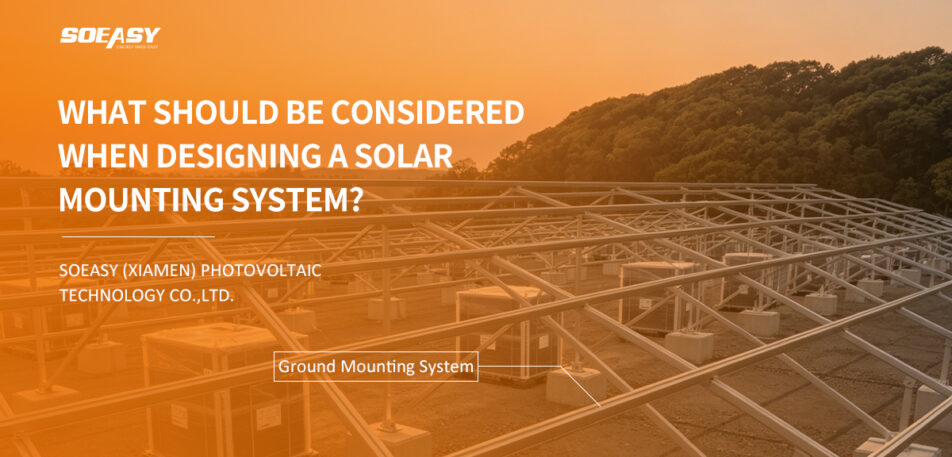
 太阳能支架的作用远不止固定太阳能电池板。它是系统安全、结构稳定性和发电性能的基础。精心设计的支架系统可以降低建设成本、缩短安装周期,并确保超过25年的可靠运行。不同的项目面临着截然不同的安装环境和技术要求,因此支架设计必须根据每个项目的具体情况进行调整。本文概述了工程师和安装人员在设计太阳能支架系统时必须考虑的关键因素。
首先了解项目需求
任何支架系统设计的第一步都是了解项目的具体需求。不同的应用场景需要不同的解决方案。地面安装系统适用于大型公用事业项目,而屋顶安装系统则适用于商业和工业建筑。太阳能车棚系统将发电与车辆保护相结合。农光互补系统将农业与太阳能发电相结合。漂浮式太阳能系统运行于水体之上,而阳台太阳能安装系统则适用于城市住宅应用。
项目规模也至关重要。住宅系统需要简单、经济高效的设计。商业和工业项目则需要更高的结构承载能力和更快的安装速度。公用事业规模的太阳能电站需要强大的工程设计,并在数千个安装单元中优化材料使用。
评估场地条件
场地条件直接决定地基的选择和安装布局:
地形地貌
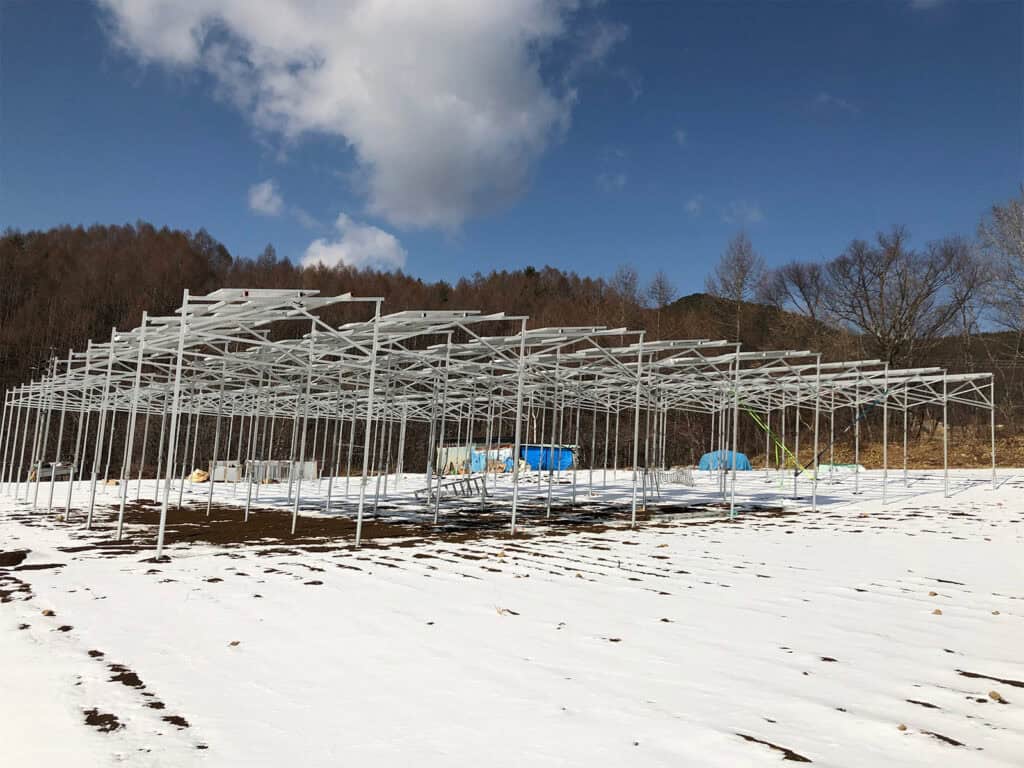
地形对支架结构设计影响显著。平坦的地面可采用标准布局,而坡地则需要适应地形的解决方案。山地和不规则地形则需要定制化的结构方案。SoEasy Solar 的 TerraSP 单杆系统采用模块化设计,可适应从平坦区域到坡地的各种地形。
土壤条件
土壤类型是选择基础的首要因素。关键考虑因素包括土壤承载力、岩层含量和地下水位。针对波斯尼亚和黑塞哥维那山区一个7.6兆瓦的项目,SoEasy的工程师进行了详细的地形分析,并采用了与地形轮廓相吻合的分段式安装布局。
屋顶状况
对于屋顶工程,屋顶类型决定了固定方式。平屋顶可采用压载式或穿透式系统。带立缝的金属屋顶可采用夹紧式固定方案,这种方案不会破坏防水层。瓦屋顶需要使用专用的屋顶挂钩,以分散荷载而不会损坏瓦片。
环境负荷分析
风荷载
风载荷是大多数支架结构的主要荷载。倾斜的太阳能电池板如同机翼,下方的风会产生上升气流,将夹具和紧固件向上拉起。设计人员必须评估当地的设计风速、建筑物高度、地形类型以及阵列上的压力分布。在菲律宾等沿海地区,SoEasy Solar 通过增强抗风荷载设计,打造出能够承受台风级强风的系统。
雪载荷
积雪会增加建筑物的质量,并可能导致建筑物弯曲、屈曲甚至坍塌。设计人员必须同时考虑平均积雪量和极端单次雪荷载。根据行业标准,倾斜角度大于 30 度时,建筑物可以自然滑落积雪;而倾斜角度小于 15 度时,建筑物必须按满载雪荷载进行设计。
地震因素
地震带工程需要进行额外的结构分析。地震力沿水平方向作用,如果锚固不足,可能导致面板滑动或支架倾覆。压载系统需要特别注意,因为惯性力作用于压载物本身的质量。
腐蚀环境
安装环境决定了材料的选择。内陆地区环境温和,可使用标准镀锌钢。沿海地区盐雾环境则需要更强的防腐蚀保护。行业标准的腐蚀等级划分采用 C1 至 C5 等级;C5 环境需要使用特殊材料,例如镀锌铝镁合金钢或不锈钢紧固件。
选择合适的结构材料
铝合金
铝材具有轻质结构和卓越的耐腐蚀性。其天然氧化层无需额外涂层即可抵御盐分和湿气的侵蚀。对于屋顶承重能力有限的屋顶光伏系统和分布式光伏项目,铝材是首选材料。SoEasy 的 TerraAL 铝制系统采用阳极氧化铝结构,具有轻质结构和优异的耐腐蚀性,适用于沿海和严苛环境。
热浸镀锌钢
镀锌钢强度高且成本适中。厚厚的锌层可有效防止大多数标准环境下的腐蚀。这种材料是大型地面发电厂和重载应用的首选。
锌铝镁涂层钢
锌铝镁合金涂层钢具有卓越的耐腐蚀性,且切割边缘具有自愈能力。这种材料尤其适用于沿海和高湿度地区,在这些地区,标准镀锌可能无法提供足够的保护。
不锈钢紧固件
紧固件材料常常被忽视,但对长期可靠性至关重要。在距海平面1-2公里的海洋环境中,建议使用A4-316L不锈钢紧固件。标准304不锈钢在盐雾中容易发生点蚀;碳钢紧固件绝不能与铝制导轨混用,必须使用隔离垫圈。
结构设计考虑因素
组件布局
组件方向会影响发电量和结构载荷。横向或纵向安装会改变导轨和夹具上的载荷分布。阵列间距必须防止行间遮挡,同时保持结构完整性。
倾斜角度优化
倾斜角度会影响能源利用率、排水和积雪清除。对于平屋顶,常用的倾斜角度为 5 至 15 度。在农光互补应用中,SoEasy 的 Demeter 系统采用 30 度倾斜角,以最大限度地提高太阳能捕获量,同时确保农业机械的通行空间。
结构强度
关键结构构件——钢轨、梁、前立柱、后立柱和支撑系统——都必须满足强度和刚度要求。根据GB 50797等设计标准,柱顶挠度不得超过柱高的1/60,而弯曲构件的挠度限值则因应用而异。
连接设计
连接可靠性决定了整个系统的安全性。中夹和端夹必须在所有负载条件下都能确保模块牢固固定。导轨连接器、L型支脚、屋顶挂钩和吊架螺栓都必须根据具体应用进行正确选型。
安装效率
模块化设计
Reducing the number of component types simplifies logistics and speeds assembly. SoEasy’s TerraSP uses modular design to adapt to diverse terrain while reducing on-site complexity .
Pre-Assembled Components
Pre-assembly reduces on-site labor and minimizes error. SoEasy’s flat roof ballasted systems feature full pre-assembly that reduces installation time by more than 40% .
Standardized Connections
When connections are standardized across the system, crews require less training and make fewer errors. Universal connection designs speed installation and reduce the need for specialized tools .
Operation and Maintenance Considerations
Accessibility
Walkways and access paths allow maintenance personnel to reach all areas of the array. SoEasy’s projects include anti-slip walkways and cable tray systems that protect personnel and cables while simplifying inspection and repair .
电缆管理:
Cable trays and clips organize DC and AC cables, reducing the risk of abrasion and electromagnetic interference. Proper cable management also simplifies fault tracing and maintenance .
Drainage and Ventilation
Adequate drainage prevents water accumulation that can accelerate corrosion. Ventilation reduces module operating temperatures and improves energy yield. In agrivoltaic systems, these factors also affect crop health.
Long-Term Inspection
Systems designed for easy inspection allow technicians to check fasteners and connections without dismantling components. This reduces maintenance costs and extends system life.
Compliance with International Standards
Structural Design Standards
Projects must comply with local codes. North America follows ASCE 7, Europe uses Eurocode EN 1991, Australia and New Zealand use AS/NZS 1170, and Japan follows JIS standards . SoEasy Solar’s products are tested and certified according to multiple international standards, including ISO 9001, TÜV, CE, and AS/NZS 1170.2 .
Material Standards
Material selection must meet local specifications. The following table summarizes key compliance considerations for different regions and environments :
| 地区 | Primary Standard | Key Requirements |
|---|---|---|
| United States | ASCE 7 | Wind uplift calculations, seismic provisions |
| Europe | Eurocode EN 1991-1-4 | National annexes modify base wind/snow values |
| Australia/New Zealand | AS/NZS 1170 | Cyclone regions need special detailing |
| 日本 | JIS Standards | Seismic and typhoon design requirements |
| 中国 | GB 50797 | 25-year design life, corrosion protection minimums |
Engineering Documentation
Comprehensive documentation supports project approval and financing. Structural calculation reports, load analysis reports, and detailed installation drawings are essential for EPC contractors, owners, and certification bodies .
Balancing Performance, Cost, and Durability
Effective mounting design balances multiple competing factors. Material cost must be weighed against installation efficiency. Higher-grade materials may increase upfront cost but reduce long-term maintenance. The goal is to achieve the lowest lifecycle cost while maintaining safety margins.
How SoEasy Solar Supports Custom Mounting System Design
SoEasy Solar provides comprehensive design support based on over 17 years of industry experience and more than 70 patents . Services include customized mounting system design, structural calculation services, wind and snow load analysis, foundation recommendations, material selection support, and project-specific engineering optimization. The company’s products are engineered and tested to meet international standards, ensuring compliance and smooth project approval.
Frequently Asked Questions: Solar Mounting System Design
What is the most important factor in solar mounting design?
Wind load analysis is typically the governing factor, as wind uplift usually determines structural requirements .
Which material lasts longest in coastal environments?
Zn-Al-Mg coated steel or aluminum with appropriate anodization, paired with A4-316L stainless steel fasteners.
How long should a solar mounting system last?
Industry standard design life is 25 years .
Do all mounting systems need custom engineering?
Most projects require some level of custom design because site conditions, loads, and codes vary significantly .
Does SoEasy Solar provide custom mounting solutions?
Yes. SoEasy offers customized design, structural calculations, and material recommendations for all project types.
The Right Design Starts with Engineering Excellence
Solar mounting system design is a comprehensive engineering process that requires careful evaluation of project requirements, site conditions, environmental loads, material properties, installation efficiency, and maintenance needs. Only through scientific structural design and appropriate material selection can a PV system achieve long-term safety, lower lifecycle costs, and maximum power generation.
SoEasy Solar provides customized, high-reliability photovoltaic mounting solutions for customers worldwide. Visit our solutions page to explore our product range, or contact our engineering team for project-specific design support.