English

 Post by
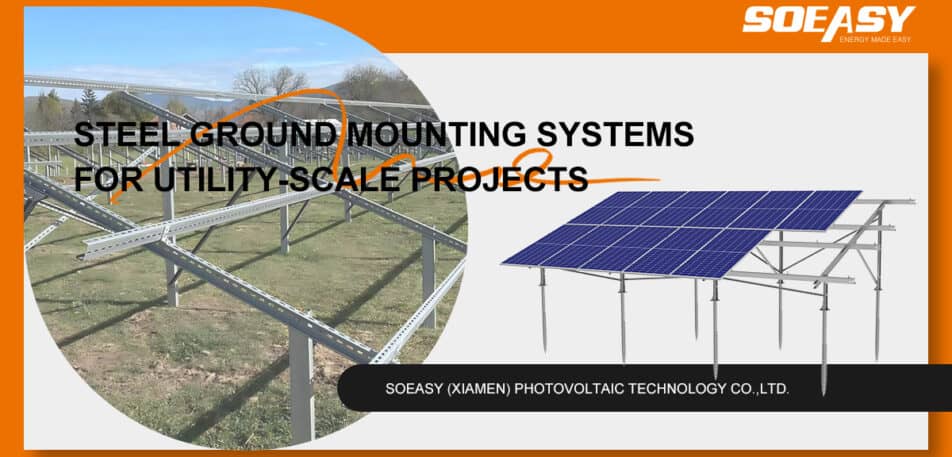
 As global photovoltaic (PV) capacity continues to grow, ground-mounted solar power plants remain the most widely adopted and technically mature form of PV installation. Among all ground mounting solutions, steel ground mounting systems play a dominant role, especially in medium- and large-scale projects.
They combine high structural strength, cost efficiency, and strong adaptability to complex site conditions. As a result, EPC contractors and project developers continue to rely on steel structures for long-term system stability.
1. What Is a Steel Ground Mounting System?
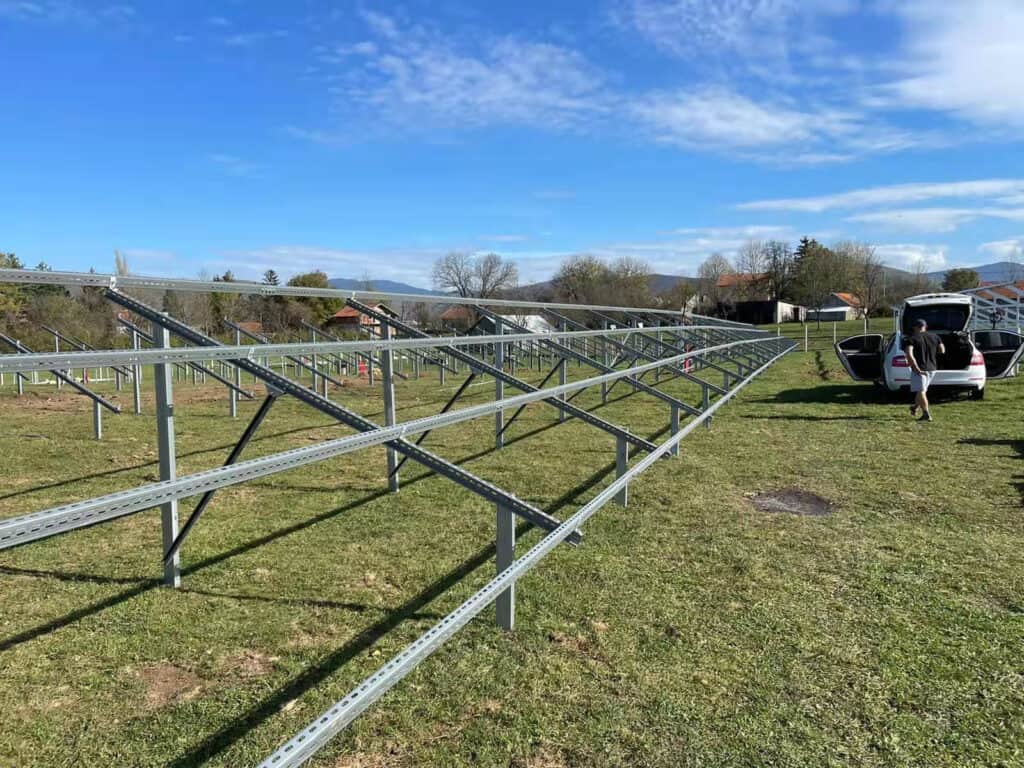
A steel ground mounting system is a structural solution made primarily of steel, designed to support and secure photovoltaic modules installed on the ground. Its core design objective is to ensure long-term structural safety and stability while achieving optimal module tilt angles and array layouts at a controlled overall cost.
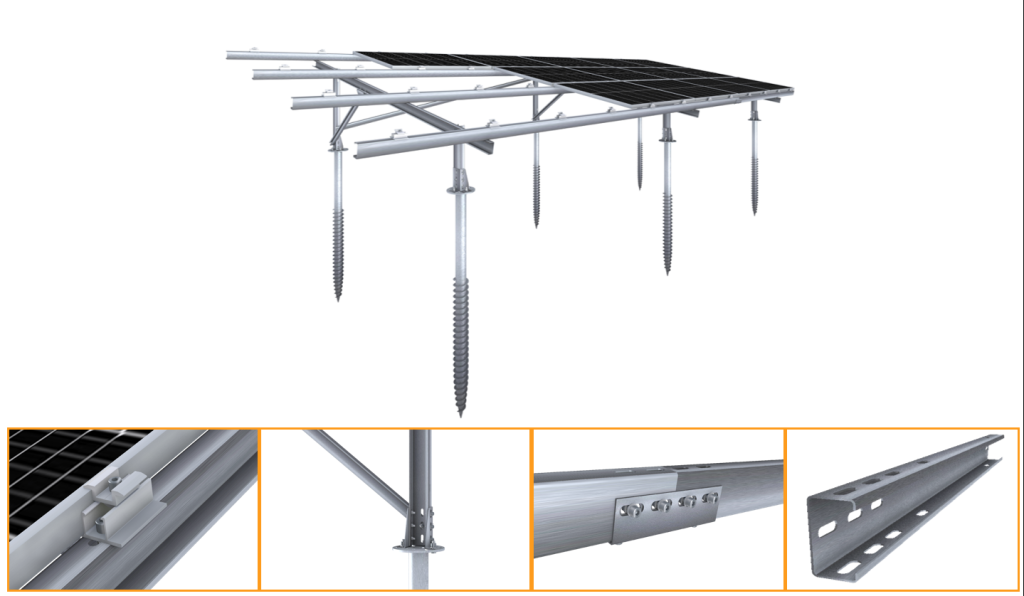
A typical steel ground mounting system consists of several key components that work together as a unified structure.
Posts / Columns
Posts act as the main vertical load-bearing members. They transfer wind, snow, and dead loads from the structure into the ground.
Depending on site conditions, installers may use driven steel piles, helical piles, micropiles, or steel columns anchored to concrete foundations.
Main Beams and Purlins
Main beams connect the posts and form the primary structural framework. On top of them, purlins support the PV modules directly and distribute loads evenly across the structure.
Bracing and Connection Components
Diagonal braces, struts, and other reinforcing elements improve overall rigidity. More importantly, they help the system resist lateral forces such as strong winds.
Bolts and specialized clamps connect all components, allowing for fast installation and reliable long-term performance.
Foundations
Engineers select foundation types based on geotechnical conditions. Common options include:
- Helical steel piles, which install quickly and disturb the site minimally
- Cast-in-place concrete piles, suitable for rocky or loose soil
- Independent concrete footings, often used where bearing capacity requirements are high
3. Common Structural Configurations
Steel ground mounting systems can adopt different structural layouts to match project requirements.
Single-post structures use one post per support unit. They feature a simple design and low steel consumption. Therefore, they work well for flat sites with relatively low loads.
Double-post structures support each module row with two posts. This configuration improves stability and suits larger spans, higher loads, or slightly uneven terrain.
Continuous rack structures connect multiple module rows through continuous beam systems. As a result, they offer high rigidity and excellent wind resistance, making them ideal for large, flat utility-scale sites.
4. Materials and Corrosion Protection
Common Steel Grades
Most steel ground mounting systems use Q235 or Q355 carbon structural steel. These materials provide a strong balance of strength, ductility, weldability, and cost efficiency.
In particular, Q355 steel offers higher strength, which helps engineers reduce material usage without compromising safety.
Corrosion Protection
Steel structures face one primary long-term challenge: corrosion. Since ground-mounted PV plants typically operate for 25 years or more, corrosion protection becomes a critical design factor.
Hot-dip galvanization (HDG) remains the most proven solution. The process creates a zinc–iron alloy layer that protects steel through both physical isolation and cathodic protection. Generally, thicker zinc coatings deliver longer service life.
Zinc-aluminum-magnesium (ZAM) coatings, however, represent a new generation of corrosion protection. Thanks to their self-healing properties, these coatings prevent corrosion from spreading after cutting or scratching. Consequently, ZAM-coated steel often outperforms conventional HDG at the same coating thickness.
5. Key Advantages of Steel Ground Mounting Systems
Steel ground mounting systems offer several clear advantages:
First, they deliver outstanding structural performance. High strength and stiffness allow them to support large-format and bifacial modules, as well as wider array spans.
Second, they resist extreme weather effectively. With proper engineering calculations, steel structures withstand strong winds, heavy snow loads, and seismic forces.
Third, they provide strong economic value. Steel prices remain relatively stable, and mature manufacturing processes enable large-scale cost optimization. Therefore, utility-scale projects benefit from predictable investment returns.
In addition, the industry ecosystem around steel structures is highly mature. Standardized design tools, factory prefabrication, and efficient installation methods improve quality control and shorten construction timelines.
Finally, steel structures adapt well to complex terrain. By adjusting post heights and foundation types, they reduce earthworks and minimize environmental impact on uneven sites.
6. Typical Application Scenarios
Developers commonly use steel ground mounting systems in:
- Utility-scale solar power plants, including hundred-megawatt projects
- Commercial and industrial ground-mounted PV installations
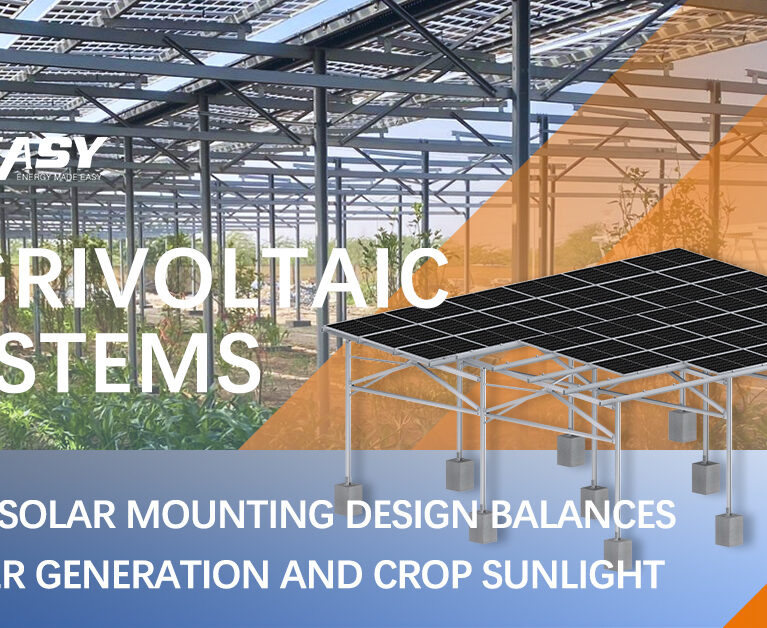
- Agrivoltaic projects that require higher ground clearance
- Mountainous, high-wind, heavy snow, or coastal environments
In all these scenarios, steel structures provide the reliability that long-term power generation demands.
7. Key Technical Considerations in Design
Successful projects start with accurate geotechnical investigation. Reliable soil data allows engineers to select the most suitable foundation type and depth.
Next, designers must perform precise load calculations. They should base wind, snow, and seismic loads on the latest local meteorological data and consider array interaction effects.
In addition, engineers must balance tilt angle optimization with row spacing. This balance ensures strong energy yield while maintaining efficient land use.
Finally, teams should always adopt a lifecycle cost perspective. Higher upfront investment in corrosion protection often reduces long-term maintenance costs and improves system reliability.
8. Steel vs. Aluminum: A Practical Selection Guide
| Comparison Aspect | Steel Ground Mounting Systems | Aluminum Ground Mounting Systems |
|---|---|---|
| Strength & Stability | High strength and stiffness; suitable for large spans, heavy loads, and harsh climates | Lower strength; not ideal for very large spans or high-load conditions |
| Material Cost | Lower and more stable; cost-effective for utility-scale projects | Higher cost with greater price volatility |
| Suitable Project Scale | Mainstream choice for medium- and large-scale ground-mounted plants | Better suited for small projects or weight-sensitive applications |
| Environmental Adaptability | Suitable for most environments with proper corrosion protection | Naturally corrosion-resistant; suitable for highly corrosive environments |
| Maintenance | Essentially maintenance-free if coating is intact; corrosion risk if coating is damaged | Generally maintenance-free with lower corrosion risk |
| Overall Recommendation | Offers clear advantages in performance and cost for most ground-mounted projects | Suitable for special projects with extreme corrosion and sufficient budget |
9. A Future-Oriented Solution: Soeasy Solar Terra ZAM Ground Mounting System
The SOEASY Terra ZAM Ground Mounting System focuses on long-term durability and corrosion resistance. By using advanced zinc-aluminum-magnesium coated steel, the system significantly improves corrosion performance without additional surface treatment.
Moreover, optimized structural design increases load-bearing capacity while reducing overall system weight. As a result, projects benefit from lower transportation costs, faster installation, and reduced maintenance requirements.
High-performance steel mounting solutions like Terra ZAM continue to support solar projects worldwide. Ultimately, they help ensure stable operation and deliver higher long-term returns.
Contact our technical team today to receive a customized steel ground mounting solution for your next ground-mounted solar project:ZAM Ground Mounting Solution