English

 Post by
 The global distributed solar market is expanding rapidly. From residential balconies in Europe and commercial rooftops in Southeast Asia to residential roofs in North America, installation scenarios are becoming increasingly diverse—and roof structures more complex.
In this context, traditional solar mounting solutions based on long continuous rails are starting to show limitations:
- Time-consuming cutting and alignment for small or irregular roofs
- Higher material usage, increasing load on lightweight roofs
- Limited flexibility when dealing with obstacles like chimneys, skylights, and vents
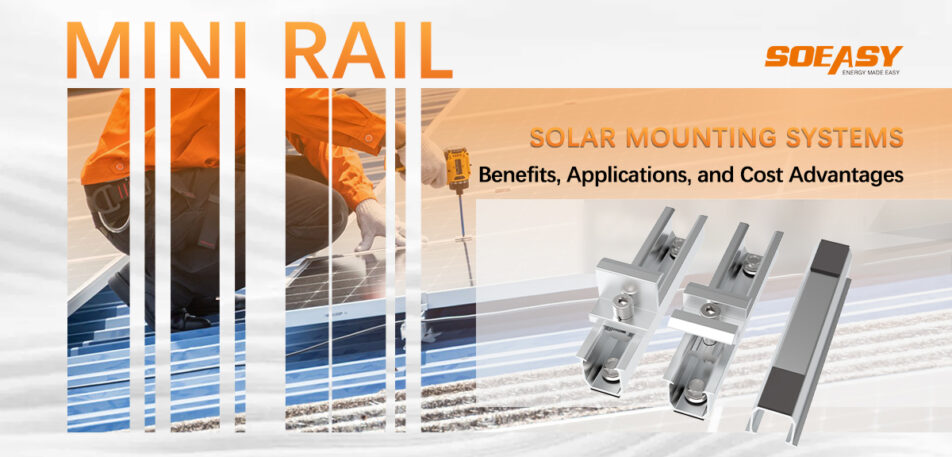
Against this backdrop, Mini Rail solar mounting systems—a lightweight and fast-installation solution—are gaining traction worldwide.
This article provides a comprehensive overview of Mini Rail systems, including structure, key benefits, application scenarios, and cost advantages, helping you determine whether it fits your next solar project.
2. What Is a Mini Rail Solar Mounting System?
定義
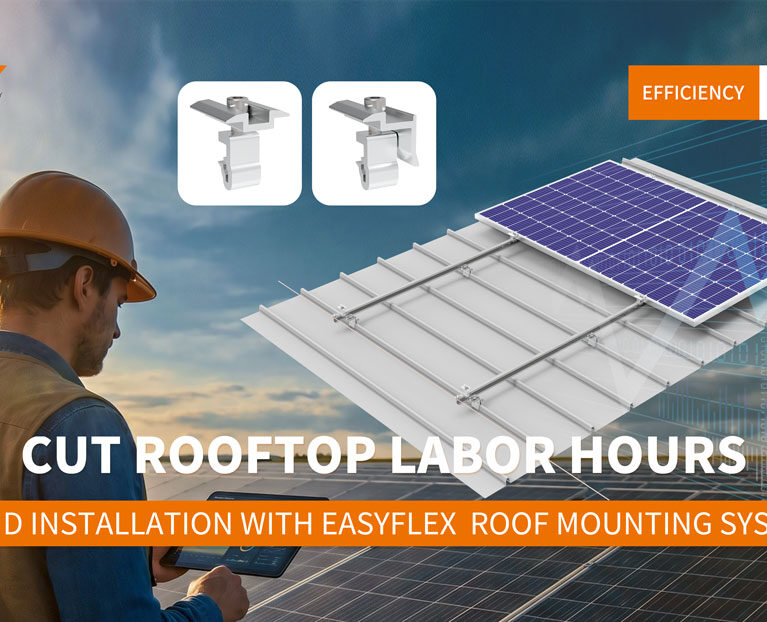
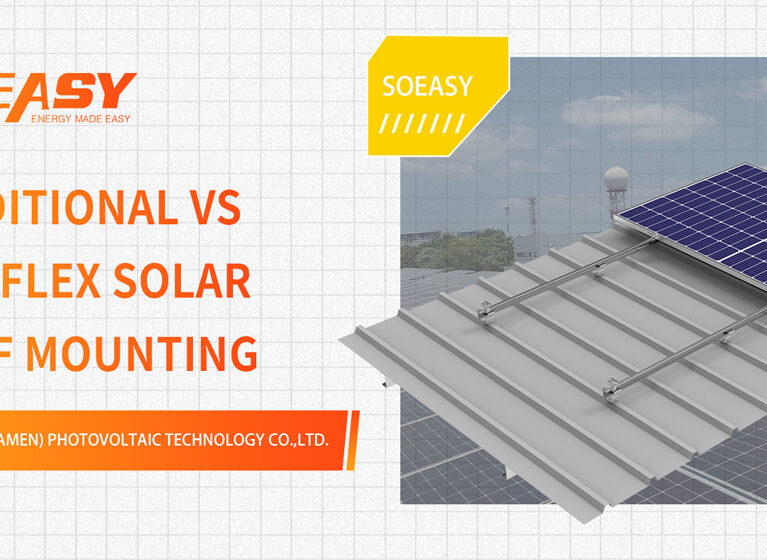
A Mini Rail system uses short, segmented rails (typically 300–600 mm) instead of long continuous rails. These short rails are installed only at fixing points, forming a point-supported structure.
代表的な構成要素
A complete system includes:
- Mini Rails: Directly support solar modules
- Mounting Bases / Connectors: Fix rails to the roof (self-tapping, adhesive, or clamp-based)
- Clamps (mid/end): Secure modules
- Waterproof Components: EPDM washers, sealants
Key Differences vs. Traditional Systems
| 側面 | 伝統的なレール | Mini Rail System |
|---|---|---|
| Rail Type | Continuous (2–4m) | Short segments |
| Load Path | Module → Rail → Roof | Module → Rail → Roof |
| 構造: | 連続ビーム | Independent support points |
| コンポーネント | もっと | 少ない |
Core concept:
- Traditional systems rely on continuous beams
- Mini Rail uses point-based support, simplifying the structure
3. Key Advantages of Mini Rail Systems
1. Simplified Structure
- Eliminates long rails and connectors
- Integrates multiple functions into fewer components
- Easier logistics and on-site management
2. Faster Installation
Mini Rail systems significantly improve installation efficiency:
- No full-row alignment required
- No rail cutting on-site
- Lightweight, single-person handling
- Ideal for fast deployment projects
Result: Installation time reduced by 30–50%
3. Lower Roof Load
Especially suitable for lightweight roofs:
- 30–50% less aluminum usage
- 25–40% lighter system weight
- More predictable load distribution
4. High Flexibility
Perfect for complex rooftop conditions:
- Easily avoids obstacles (chimneys, skylights)
- Adapts to irregular layouts
- Compatible with multiple roof types
- Simple system expansion
4. Typical Application Scenarios
Residential Rooftops
- Small systems (3–10 kW)
- Complex layouts with obstacles
- Limited installation space
优点:
- より迅速な設置
- Better roof protection
- Clean aesthetics
Commercial & Industrial Rooftops
- Large but segmented roofs
- Multiple equipment zones
优点:
- Flexible zone-by-zone installation
- No need to span long rails across obstacles
- Easier maintenance
金属屋根
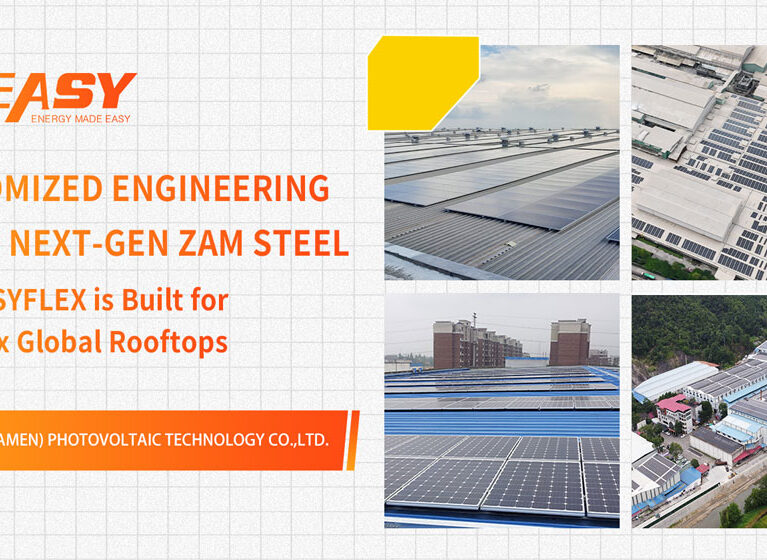
- Trapezoidal or standing seam roofs
优点:
- Matches roof profile precisely
- Non-penetrating options available
- Simplified waterproofing
Lightweight or Aging Roofs
- Limited load-bearing capacity
优点:
- Reduced structural stress
- Flexible load distribution
5. Cost Advantages: Where Savings Come From
1. Material Savings
- 30–50% less aluminum usage
- No rail connectors required
- Reduced packaging materials
2. Labor Cost Reduction
- 30–50% faster installation
- Lower skill requirements
- Fewer tools needed
Example:
A 5 kW residential project can be completed in half the time compared to traditional systems.
3. Logistics Savings
- Smaller packaging volume
- Lower transportation cost
- Easier handling and storage
4. Overall Project Cost
| Cost Factor | Savings |
|---|---|
| Materials | ↓ 30–40% |
| Labor | ↓ 30–50% |
| ロジスティクス | ↓ 20–30% |
| Total Cost | ↓ 25–40% |
6. Design Considerations
Wind & Snow Load
- Ensure sufficient fixing points
- Increase density at edges and corners
- Perform structural calculations in high-wind areas
屋根との互換性
- Fixing points must align with structural members
- Check purlin spacing
- Select appropriate mounting base
防水
- Pre-installed EPDM washers
- Sealant reinforcement
- Optional non-penetrating solutions
7. Mini Rail vs Traditional Systems
| 側面 | ミニレール | Traditional |
|---|---|---|
| 構造: | ポイントサポート | Continuous rail |
| インストール | 速い | 適度 |
| 材料 | 低い | 高い |
| 柔軟性 | 高い | 限定 |
| Cost | Lower (small/medium) | Lower (large-scale) |
8. Limitations of Mini Rail Systems
Mini Rail is not ideal for:
- Large-scale (>1 MW) projects
- Extreme wind conditions
- Roofs with wide purlin spacing
- Projects requiring continuous rails by regulation
9. Industry Trends
The industry is moving toward:
Lightweight Design
- Reduced structural load
- Lower logistics cost
Modular & Fast Installation
- Pre-assembled components
- Tool-free installation trends
Mini Rail aligns perfectly with these trends.
10. Conclusion
Mini Rail solar mounting systems offer:
- Higher efficiency (30–50% faster installation)
- Lower cost (25–40% total savings)
- Greater flexibility for complex roofs
- Lightweight design for sensitive structures
While not replacing traditional systems entirely, Mini Rail is a highly competitive solution for distributed solar projects.
SOEASY Mini Rail Solutions
SOEASY provides:
- Standardized Mini Rail products
- Multi-roof compatible mounting bases
- Integrated waterproof design
- Full technical support
- Customization capabilities
Our solutions help EPCs, installers, and developers achieve the optimal balance between efficiency and cost.