English

 Post by
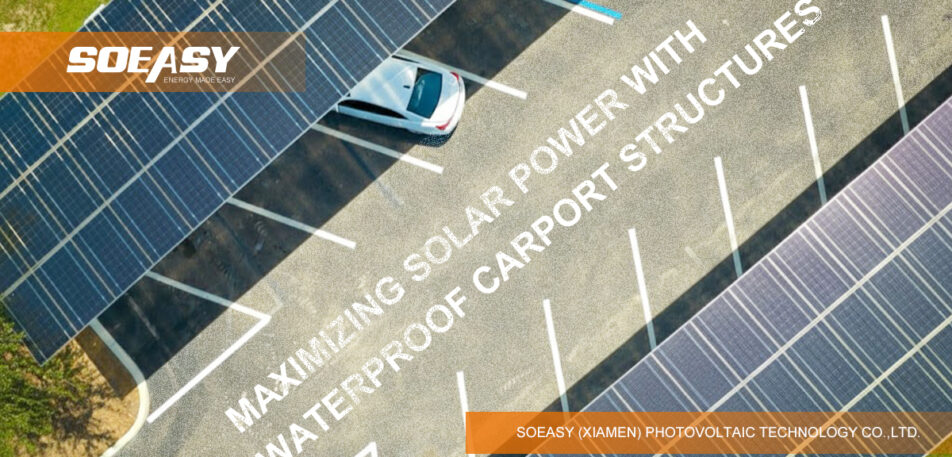
 In an increasing number of applications, parking areas are no longer single-purpose spaces. By integrating photovoltaic systems, a solar carport can protect vehicles from sun and rain while continuously generating clean electricity for on-site consumption or grid connection. This dual-use model represents the core value of solar carport systems.
However, to fully realize this potential, one fundamental issue must be taken seriously—waterproof performance.
Exposed to outdoor conditions over the long term, solar carports must withstand rain, snow, humidity, temperature fluctuations, and wind loads. If waterproofing is insufficient, a system may experience a series of problems within just a few years of operation, including:
- Moisture ingress into PV modules, leading to gradual efficiency loss
- Accelerated corrosion of metal structures, increasing structural risks
- Water penetration into electrical components, causing failures or safety hazards
- Roof leakage that compromises vehicle protection and user experience
For this reason, waterproofing is not an optional technical detail. It is a decisive factor that directly affects system lifespan, revenue stability, and long-term usability.
A well-designed waterproof solar carport should achieve the following objectives throughout its lifecycle:
- Protect PV investment by ensuring stable operation for 25 years or more
- Improve user experience with true all-weather vehicle protection
- Reduce maintenance costs by minimizing water-related structural and electrical issues
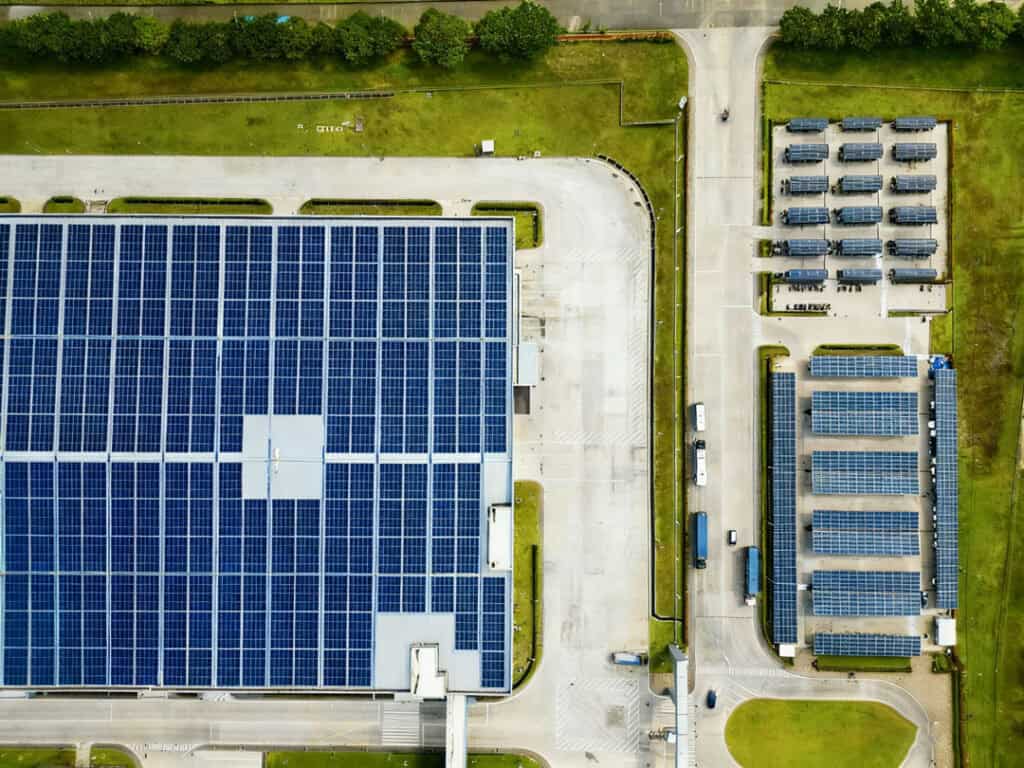
From residential communities and commercial complexes to schools, hospitals, and logistics parks, waterproof solar carports are becoming a preferred solution across multiple scenarios. Beyond renewable energy generation, they reflect a rational approach to space efficiency and functional integration in modern construction.
Core Design Elements of a Waterproof Solar Carport
1. Joints and Overlaps: The First Line of Defense Against Water Ingress
In most cases, water leakage does not originate from the material itself, but from joints and overlapping areas between panels and structural components.
Professional waterproof design goes far beyond simply applying sealant. EPDM (ethylene propylene diene monomer) rubber gaskets are widely used due to their excellent aging resistance and ability to maintain elasticity in temperatures ranging from -40°C to 120°C. For irregular areas, high-performance silicone sealants are applied to accommodate micro-movements caused by thermal expansion and contraction.
From a structural perspective, overlap design follows the principle of one-way water flow:
- Overlap direction allows water to drain outward only
- Overlap length typically exceeds 150 mm
- Drainage channels are added at critical nodes to prevent backflow under heavy rain and strong winds
Drainage slope also requires careful optimization. In most projects, a slope of 5%–15% ensures rapid water discharge without significantly affecting power generation. In high-rainfall regions, coordinated optimization of structure and module tilt further enhances drainage reliability.
2. Mounting Structure: Integrating Load-Bearing and Waterproof Functions
A solar carport structure does more than support mechanical loads—it also plays a key role in the waterproof system.
High-standard designs often incorporate concealed drainage channels within the main beams. Even if a small amount of water passes through the surface sealing, it is guided safely to designated drainage points rather than entering critical structural or electrical areas. This approach effectively creates an internal drainage system.
At the same time, beam profiles, connection methods, and fastener designs must provide sufficient sealing space while meeting strength requirements. Structural stability and waterproof performance should reinforce each other, not compete.
3. Edges and Interfaces: High-Risk Areas Often Overlooked
In real-world projects, leakage issues frequently occur at edges, cable penetrations, and functional interfaces.
A mature waterproof strategy typically follows a multi-layer concept of guiding, draining, and blocking:
- Structural shaping guides water away from interfaces
- Drainage paths remove potential infiltration promptly
- Physical barriers fully block water routes at critical points
Typical solutions include:
- Multi-layer sealed junction boxes for PV cable exits
- Labyrinth-style waterproof access ports for maintenance areas
- Pre-designed waterproof bases for lighting, monitoring, and auxiliary equipment
While these details may seem minor, they are essential to long-term system reliability.
From Design to Installation: Making Waterproofing Work in Practice
Dual Objectives of Tilt Angle Design
The tilt angle of a solar carport represents a balance between energy yield and drainage performance.
The optimal generation angle is determined by local latitude, climate conditions, and annual solar trajectory using simulation tools. Drainage angle, on the other hand, depends on rainfall intensity and clearance requirements, verified through fluid simulations to ensure rapid water discharge.
In practice, adjustable structures or zone-based tilt designs are often used to achieve an optimal balance between the two.
Multi-Layer Waterproof Logic for PV Module Fixation
A reliable waterproof system is achieved through multiple protective layers:
- Module-level protection: Modern PV modules provide inherent waterproofing through sealed frames and glass, serving as the first barrier against rain.
- Clamp sealing: Aluminum clamps with integrated EPDM gaskets create a continuous sealing line when evenly compressed. Their design allows for thermal expansion without compromising sealing integrity.
- Rail drainage: Rails are designed with drainage grooves that collect and direct any infiltrated water into the drainage system. Dry connections between rails and beams avoid drilling that could damage waterproof layers.
- Cable waterproofing: Cable penetrations use multi-seal waterproof glands based on mechanical compression principles, ensuring tighter sealing over time.
Long-Term Value Created by Effective Waterproof Design
A well-engineered waterproof system delivers benefits throughout the entire lifecycle of a solar carport.
At the module level, a dry environment significantly reduces PID effects and hotspot risks. Structurally, corrosion rates can be reduced to a fraction of conventional designs, extending service life substantially. Electrically, keeping all connections dry maintains high insulation resistance and near-zero leakage current, improving both efficiency and safety.
From an economic perspective, moderate upfront investment in waterproofing often results in higher overall returns through longer system life, lower maintenance costs, and more stable energy output.
SOEASY Waterproof Solar Carport Solutions
Backed by years of project experience and engineering expertise, SOEASY has developed a range of waterproof solar carport solutions. Through modular structural design, multi-layer waterproof technologies, and well-planned drainage paths, our systems adapt effectively to diverse climates and application scenarios.
Whether for residential parking spaces or large-scale commercial and public parking facilities, SOEASY focuses on delivering reliable, durable, and engineering-driven solar carport systems that help customers maximize long-term energy value within limited space.
For project-specific waterproof solar carport solutions, the SOEASY Solar team provides professional support ranging from design consultation to system configuration — Solar Carport Solutions