English

 Post by
 As one of Southeast Asia’s key emerging solar markets, Indonesia is accelerating the deployment of photovoltaic power generation. The country’s archipelagic geography and tropical monsoon climate create unique conditions for solar project development, requiring mounting systems that can adapt to diverse terrain, high humidity, and coastal environments.
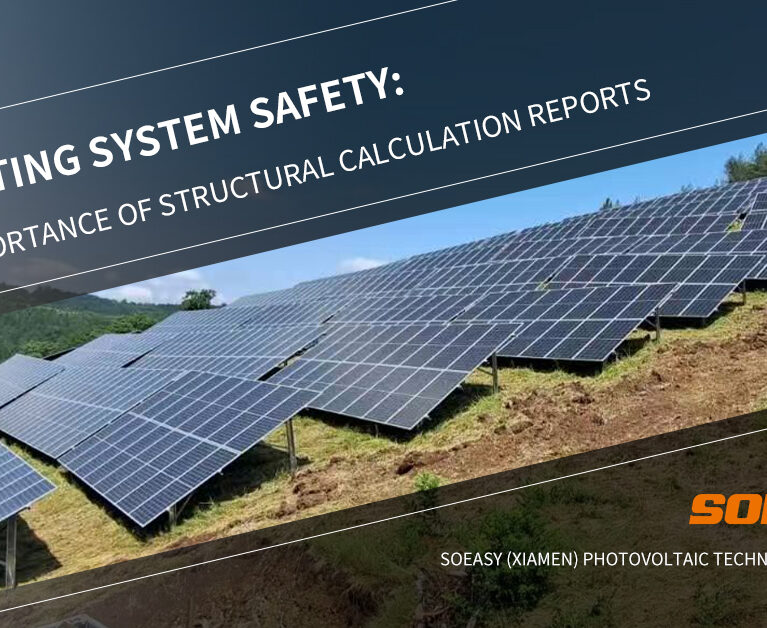
In recent years, SOEASY Solar has participated in multiple ground-mounted solar projects across Indonesia. These projects cover a range of typical application scenarios, including coastal areas, hot and humid tropical climates, and ground-mounted power plants built on varying terrain conditions. Through engineering practice across different regions and environmental settings, SOEASY has accumulated practical experience in structural design and project adaptation for the Indonesian market.
Ground Solar Development in Indonesia
Indonesia has significant solar potential due to its location near the equator, where solar irradiation remains relatively stable throughout the year. As the country continues to promote renewable energy adoption, ground-mounted solar plants are becoming an important component of large-scale power generation projects.
However, solar development in Indonesia often involves several environmental challenges:
- Tropical high-temperature and high-humidity conditions
- Long rainy seasons and heavy precipitation
- Coastal salt exposure in many project locations
- Diverse soil and terrain conditions across islands
These factors require mounting systems that can be engineered for durability, stability, and efficient installation across different site conditions.
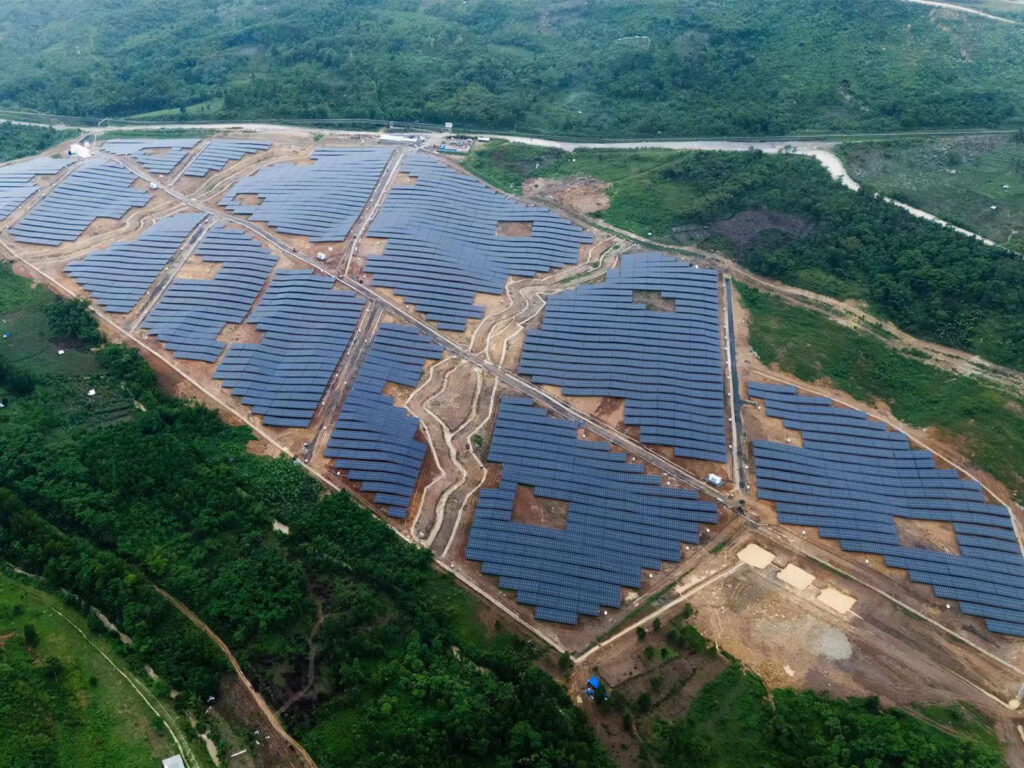
32MW Aluminum Ground Mounting Project
Lightweight Structure with Ground Screw Foundation
The 32MW project adopted an aluminum alloy ground mounting system combined with ground screw foundations.
Why Aluminum in Indonesia?
Indonesia’s tropical climate accelerates material corrosion. Compared with conventional carbon steel structures, anodized aluminum alloy offers:
- Strong natural corrosion resistance
- Lower structural weight
- Easier transportation across island regions
- Faster installation efficiency
For island logistics and large-scale deployment, lightweight structures reduce both installation time and labor intensity.
Ground Screw Advantage
The project utilized ground screw foundations, which provide:
- Minimal concrete usage
- Faster installation cycles
- Reduced environmental disturbance
- Adaptability to variable soil conditions
In regions where rainy seasons can interrupt civil construction schedules, ground screws significantly shorten foundation timelines and improve project certainty.
10MW Coastal Ground Solar Project
Enhanced Corrosion Protection Strategy
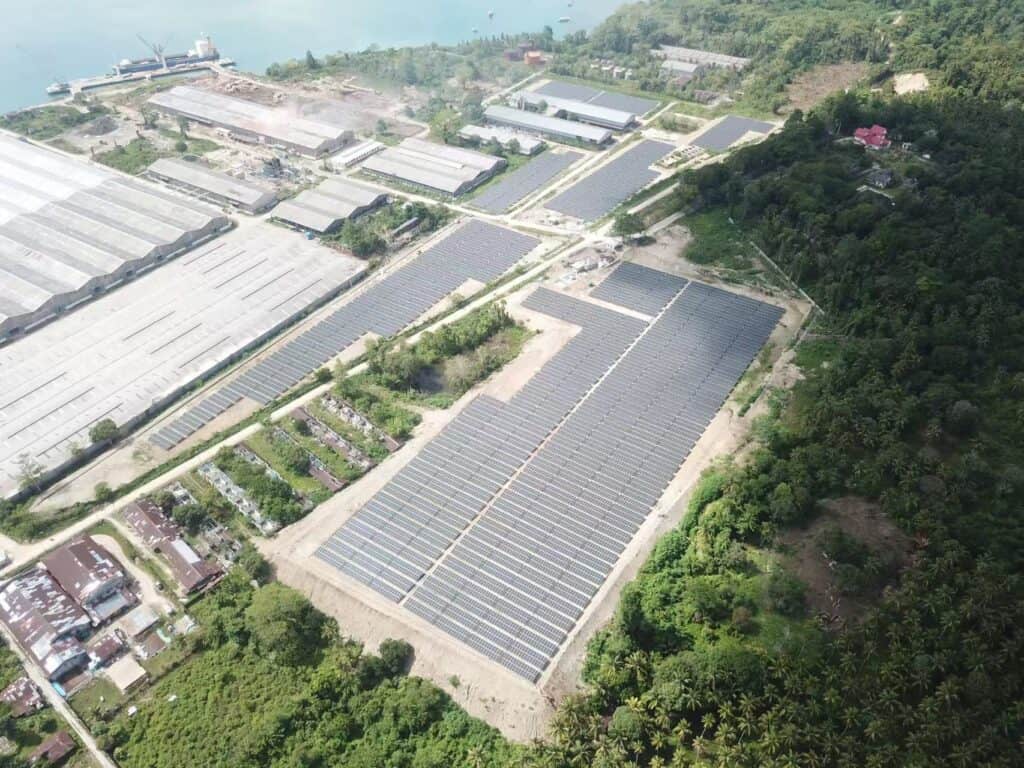
This 10MW project was located in a coastal zone, where salt spray and high humidity significantly increase corrosion risks.
In coastal environments, structural durability depends on:
- Material selection
- Surface treatment quality
- Connection component reliability
For this project, corrosion mitigation was addressed through:
- Anti-corrosion structural design optimization
- Reinforced material thickness strategy
- Strict fastener grade control
- Protective treatment adapted for marine-influenced conditions
Coastal solar plants demand long-term structural stability, as maintenance costs are typically higher than inland sites. Engineering decisions must consider lifecycle performance rather than initial material cost alone.
19MW Ground Mounting Project
Stable Structural Design for Utility-Scale Deployment
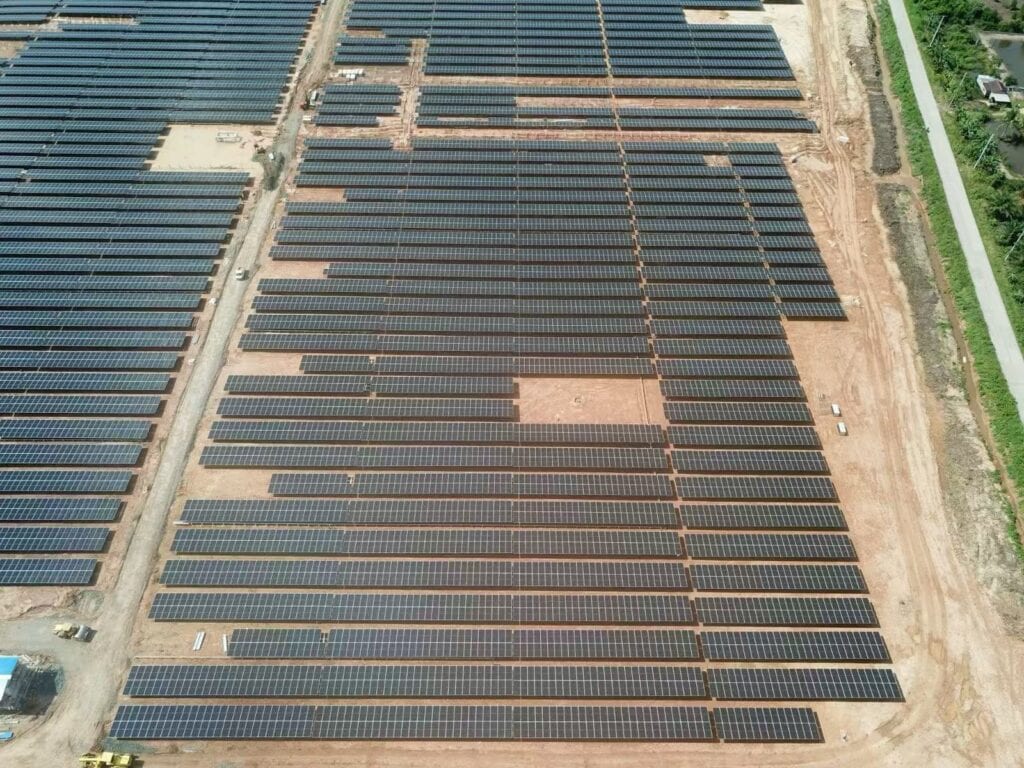
The 19MW ground-mounted project further demonstrates SOEASY’s capability in medium-to-large scale solar development.
Utility-scale ground systems in Indonesia often face:
- Soft or mixed soil layers
- High annual rainfall
- Wind load exposure during monsoon seasons
Structural design in such cases prioritizes:
- Load path clarity
- Wind resistance optimization
- Module layout stability
- Efficient pile arrangement
Although project-specific parameters vary, engineering methodology remains consistent: structural calculation-based design combined with localized environmental assessment.
Engineering Experience for the Indonesian Market
Across these projects, several key engineering principles have guided project execution:
Site-specific structural design
Each project requires careful adaptation based on terrain, climate, and environmental exposure.
Environmental adaptability
Design considerations address humidity, rainfall, and coastal influence.
Efficient installation planning
Construction efficiency is critical in regions where logistics and seasonal weather can affect project schedules.
Long-term structural reliability
Ground mounting systems are designed to support solar modules over long operational lifecycles.
These practical experiences help refine solutions tailored to the Indonesian solar market.
Supporting Solar Growth in Southeast Asia
As solar development continues to expand in Indonesia, engineering expertise and site adaptability will play an increasingly important role in project success. Ground-mounted solar systems must balance structural safety, environmental durability, and efficient installation.
Through participation in multiple ground-mounted projects across Indonesia, SOEASY Solar continues to strengthen its experience in delivering mounting solutions suited to tropical climates and diverse site conditions.
Explore more about SOEASY ground mounting solution: Ground PV Projects.com