English

 Post by
 What is Agrivoltaics?
As global demand for renewable energy continues to grow, one challenge has become increasingly important: how can we generate more solar power without sacrificing valuable farmland?
Agrivoltaics, also known as Agri-PV or Agricultural Photovoltaics, provides an innovative answer by allowing agriculture and solar energy generation to coexist on the same piece of land.
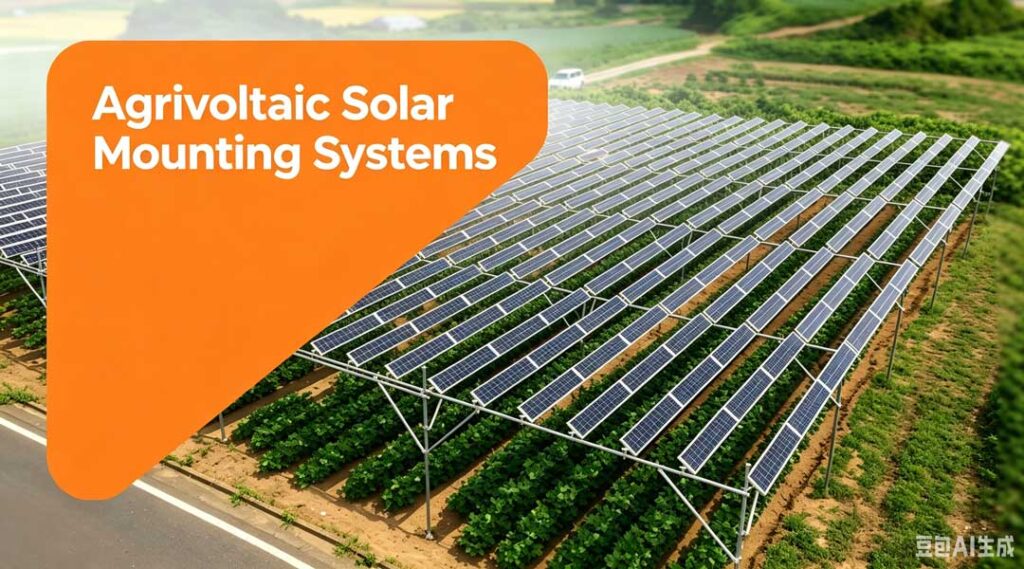
Instead of replacing crops with conventional solar farms, agrivoltaic systems use elevated solar mounting structures that allow sunlight, rainfall, machinery, and farming activities to continue underneath the solar panels.
This dual-use approach maximizes land productivity while supporting sustainable agriculture and clean energy generation.
What is an Agrivoltaic Solar Mounting System?
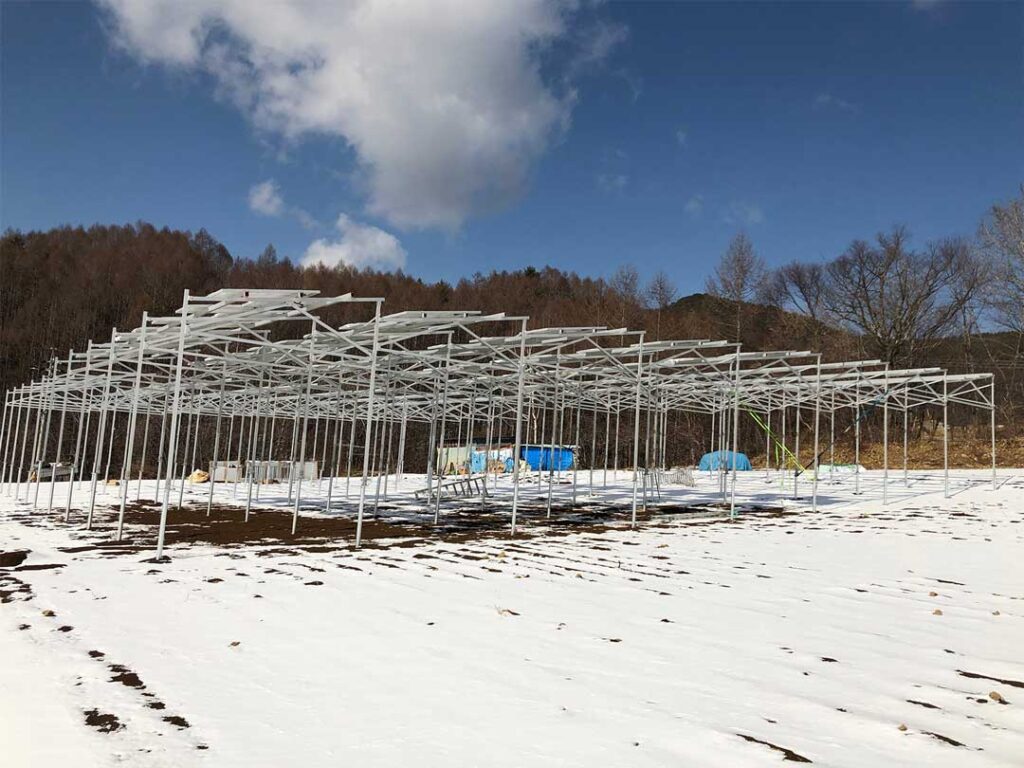
An Agrivoltaic Solar Mounting System is a specially engineered support structure designed to install photovoltaic modules above agricultural land.
Unlike conventional ground-mounted solar systems, agrivoltaic mounting structures are designed with:
- Higher ground clearance
- Wider row spacing
- Stronger structural strength
- Better sunlight transmission
- Accessibility for agricultural machinery
- Flexible configurations for different crops
The mounting system is the foundation of every agrivoltaic project because it determines both the efficiency of solar generation and the productivity of the farmland below.
How Does an Agrivoltaic Solar Mounting System Work?
An agrivoltaic system combines several key components:
- Solar modules
- Steel or aluminum mounting structures
- Foundations (pile, ground screw, or concrete)
- Inverters and electrical systems
- Agricultural cultivation area beneath the modules
Unlike traditional solar farms, the mounting structure raises the PV modules high enough to allow:
- Tractors and farming equipment to pass
- Livestock grazing
- Irrigation systems
- Crop maintenance
- Harvesting operations
This creates a true dual land use solar system, producing both electricity and agricultural products simultaneously.
Why is Agrivoltaics Becoming More Popular?
Growing pressure on land resources has made agrivoltaics one of the fastest-growing sectors in renewable energy.
Its popularity is driven by several factors.
Better Land Use Efficiency
Traditional solar farms occupy agricultural land exclusively.
Agrivoltaics allows one piece of land to generate:
- Renewable electricity
- Food production
- Additional income for landowners
This significantly increases overall land productivity.
Increased Farmer Revenue
Farmers benefit from two income streams:
- Agricultural production
- Solar electricity generation or land lease income
This diversification helps reduce financial risks caused by changing weather conditions or crop prices.
Improved Crop Protection
Solar panels create partial shading that can:
- Reduce excessive heat
- Lower evaporation
- Improve soil moisture retention
- Protect crops from hail and extreme weather
Certain vegetables, berries, tea, grapes, and leafy crops often perform well under moderate shade.
Climate Change Adaptation
Agrivoltaic systems help farms become more resilient by reducing water consumption and protecting crops from increasingly frequent heat waves.
Types of Agrivoltaic Solar Mounting Systems
Different crops require different structural solutions.
Elevated Fixed-Tilt System
The most common solution.
Features:
- Simple structure
- Lower installation cost
- High reliability
- Easy maintenance
Suitable for:
- Vegetables
- Tea plantations
- Berry farms
- Grazing areas
Adjustable Tilt Structure
Allows seasonal optimization of solar angles.
Benefits include:
- Higher energy production
- Better crop lighting
- Flexible operation
Single Axis Tracking System
The tracker follows the sun throughout the day.
Advantages:
- Higher energy yield
- Better power generation efficiency
Tracking racks are expensive and are more suitable for large agro-photovoltaic projects with plenty of investment budget.
Soeasy Solar Agrivoltaic Mounting Systems standard products:Farm: Demeter AGRO – soeasypv.com
Key Design Considerations for Agrivoltaic Mounting Systems
A successful agrivoltaic project depends heavily on the mounting structure.
Important design factors include:
Ground Clearance
The height of the solar structure depends on:
- Crop type
- Machinery height
- Livestock requirements
Most systems provide sufficient clearance for tractors and harvesting equipment.
Row Spacing
Proper spacing ensures:
- Adequate sunlight reaches crops
- Reduced panel shading
- Efficient maintenance access
Engineers typically perform shading simulations based on local solar irradiation and crop requirements.
Structural Strength
Agrivoltaic mounting systems must withstand:
- Wind loads
- Snow loads
- Seismic conditions
- Long-term corrosion
Hot-dip galvanized steel is widely used because of its durability and long service life.
Foundation Selection
Common foundation types include:
- Ground screws
- Driven piles
- Concrete foundations
Selection depends on soil conditions, project budget, and local regulations.
Common Agricultural Applications
Agrivoltaic solar mounting systems are increasingly used across a wide range of agricultural environments.
Typical applications include:
Vegetable Farms
Provide moderate shading while maintaining crop productivity.
Vineyards
Help reduce heat stress on grapevines and improve grape quality.
Orchards
Support fruit trees while generating renewable energy.
Tea Plantations
Partial shading creates a favorable microclimate for premium tea production.
Livestock Grazing
Sheep and cattle can graze beneath elevated solar structures, maximizing land utilization.
Greenhouses
Agrivoltaics can integrate with greenhouse systems to optimize both crop growth and solar generation.
Advantages of Agrivoltaic Solar Mounting Systems
Compared with conventional solar farms, agrivoltaic systems offer several advantages.
- Dual land utilization
- Increased farm profitability
- Improved crop protection
- Renewable energy generation
- Better environmental sustainability
- Reduced water evaporation
- Long service life
- Lower carbon emissions
- Support for rural economic development
Challenges of Agrivoltaic Projects
Despite their advantages, agrivoltaic systems require careful planning.
Common challenges include:
- Higher initial investment
- More complex structural design
- Crop-specific optimization
- Local regulations
- Engineering coordination
Selecting an experienced solar mounting manufacturer is essential for long-term project success.
How to Choose the Right Agrivoltaic Solar Mounting System
When selecting a supplier, consider:
- Engineering experience
- Structural design capability
- Wind and snow load calculations
- Material quality
- Corrosion protection
- International certifications
- Custom design services
- Project references
- Installation support
Why Choose SOEASY Solar for Agrivoltaic Mounting Systems?
As a professional solar mounting system manufacturer, SOEASY Solar provides customized agrivoltaic mounting solutions for projects worldwide.
Our advantages include:
- Customized structural engineering
- High-strength galvanized steel and aluminum solutions
- Adaptation to different crop types
- Flexible foundation options
- Compliance with international design standards
- Technical support throughout the project lifecycle
Whether your project involves vineyards, orchards, vegetable farms, grazing land, or large-scale agricultural solar plants, our engineering team can develop a reliable mounting solution tailored to your site conditions.
Contact us for professional advice:Contact Us – soeasypv.com
Our online store:Descripción general de la empresa – SOEASY (XIAMEN) PHOTOVOLTAIC TECHNOLOGY CO., LTD.
Frequently Asked Questions (FAQ)
What is the difference between agrivoltaics and traditional solar farms?
Traditional solar farms occupy land solely for electricity generation, while agrivoltaics combine agriculture and solar power on the same land.
Which crops are suitable for agrivoltaic systems?
Vegetables, berries, grapes, tea, fruit trees, forage crops, and some leafy greens are commonly grown beneath agrivoltaic systems.
What materials are used in agrivoltaic mounting systems?
Most systems use hot-dip galvanized steel or aluminum to ensure long-term durability and corrosion resistance.
Are agrivoltaic systems suitable for livestock?
Yes. Elevated solar mounting systems are widely used for sheep grazing, dairy farms, and other livestock applications.
Can agrivoltaic systems be customized?
Absolutely. Mounting structures can be designed based on crop type, machinery requirements, local climate, wind load, and site conditions.
Conclusion
Agrivoltaics represents one of the most promising directions for the future of renewable energy and sustainable agriculture. By combining advanced solar mounting technology with modern farming practices, agrivoltaic systems enable landowners to produce clean energy while maintaining productive agricultural operations.
For developers, EPC contractors, and agricultural investors, selecting a well-designed Agrivoltaic Solar Mounting System is the key to maximizing both energy output and land value. With customized engineering, durable materials, and global project experience, SOEASY Solar is ready to support agrivoltaic projects around the world.
About SOEASY Solar:Home – soeasypv.com