English

 Post by
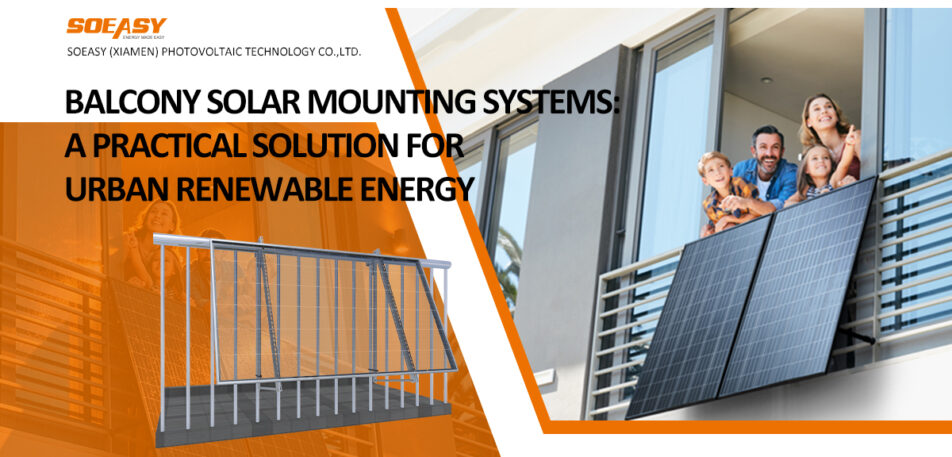
 Urban energy structures are rapidly transitioning toward distributed and low-carbon models. However, limited rooftop space and complex permitting processes have made it difficult for city residents to participate in solar power generation. Balcony solar has emerged as a low-barrier, quickly deployable solution to this problem. This article explores how balcony solar mounting systems serve as an important complement to urban renewable energy strategies.
What Is a Balcony Solar Mounting System?
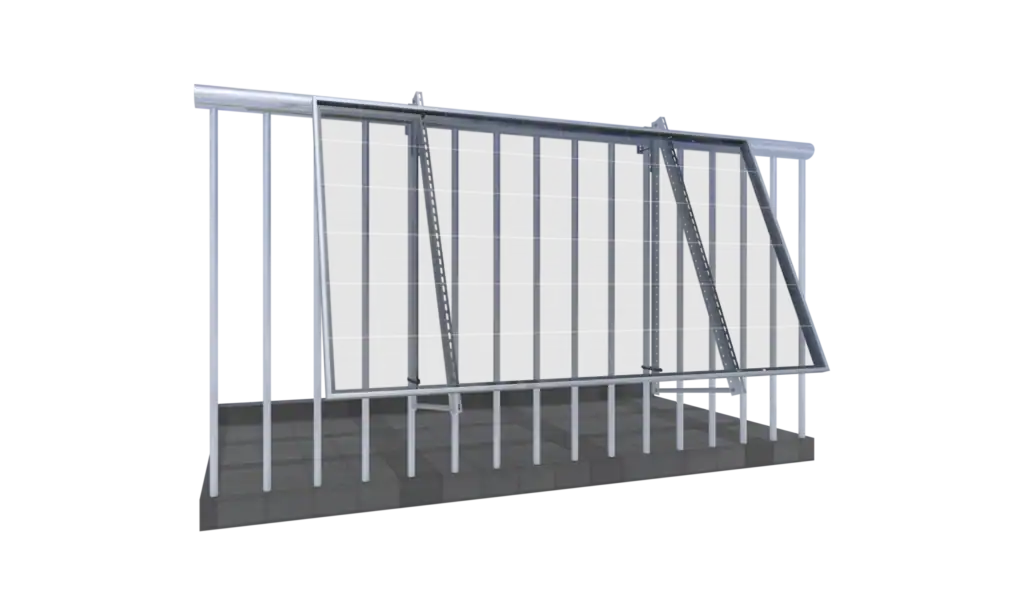
A balcony solar mounting system is a small-scale photovoltaic mounting solution installed on residential or apartment balconies. These systems typically hold between one and four solar modules and can operate as either plug-in grid-tied systems or off-grid setups.
The typical system components include balcony mounting brackets, adjustable rails, PV modules which are often glass-glass or standard panels, micro-inverters or power optimizers, and safety hooks with fasteners. The compact nature of these systems makes them accessible to renters and homeowners alike.
Key Design Features of Balcony Mounting Systems
Compact and Space-Saving Structure
Balcony mounting systems are designed specifically for tight urban spaces. They fit on railings, walls, or building facades without occupying usable living space. Every centimeter matters in a city apartment, and these systems respect that constraint.
Adjustable Tilt Angle Design
Adjustable tilt angles allow users to optimize power generation throughout the year. By changing the module angle between summer and winter, residents can capture more sunlight when it matters most. A simple adjustment mechanism makes seasonal optimization easy.
Non-Penetrating Installation Options
Many balcony systems use non-penetrating installation methods. No drilling or structural modification is required, which makes these systems ideal for rental housing and apartment environments where landlords may not permit permanent alterations.
Lightweight Material Selection
Aluminum alloys dominate balcony solar mounting structures. Aluminum offers excellent strength-to-weight ratio and natural corrosion resistance. This lightweight approach reduces the load on balcony structures while ensuring long-term outdoor durability.
Installation Scenarios in Urban Environments
Residential apartments represent the largest market for balcony solar. Railing-mounted systems are most common, though wall-mounted alternatives exist for balconies with unsuitable railings. High-rise buildings present additional opportunities, though wind loads increase significantly with height. Proper fixation and pullout resistance become critical above the fifth or sixth floor.
Small commercial spaces also benefit. Urban small office buildings or retail shops can install balcony or facade-mounted systems to offset electricity costs without dedicating valuable rooftop space to solar.
Structural and Safety Considerations
The table below summarizes key structural and safety factors for balcony solar mounting systems.
| Consideration | Key Requirement | Typical Solution |
|---|---|---|
| Wind Load Resistance | Secure fixation and pullout resistance | Heavy-duty brackets with multiple anchor points |
| Load Capacity | Respect balcony structural limits | Lightweight aluminum frames, pre-installation assessment |
| Corrosion Resistance | Long-term outdoor exposure | Aluminum alloy + stainless steel fasteners (304/316) |
| Safety Locking | Fall prevention | Dual-locking mechanisms, secondary retention cables |
Wind Load Resistance
Wind loads on high-rise buildings are substantially higher than at ground level. A balcony on the fifteenth floor experiences wind speeds that can be double those at street level. Mounting systems must provide secure fixation and strong pullout resistance. Underspecified brackets can fail during the first major storm.
Load Capacity of Balcony Structures
Every balcony has a maximum load rating, typically expressed in kilograms per square meter. Before installation, the existing balcony structure must be assessed to ensure it can safely support the additional weight of modules, brackets, and rails. Older buildings may require structural reinforcement or lighter system designs.
Corrosion and Weather Resistance
Balcony systems face constant exposure to rain, humidity, and ultraviolet radiation. Aluminum alloy structures provide excellent inherent corrosion resistance. Stainless steel fasteners in 304 or 316 grade prevent the galvanic corrosion that can occur when dissimilar metals contact each other.
Safety Locking Mechanisms
Fall prevention is non-negotiable. Modules mounted several stories above ground must remain secure even during extreme weather. Dual-locking mechanisms and secondary retention cables provide redundancy. If one fastener loosens, a backup system prevents the module from falling.
Installation Efficiency and User Friendliness
Easy DIY or semi-DIY installation is a core selling point for balcony solar. Manufacturers have simplified assembly steps and reduced the need for specialized tools. Many systems can be installed in an afternoon by someone with basic handyman skills.
Pre-assembled components reduce installation time further. Brackets arrive with hardware already attached. Rails come pre-cut to standard lengths. This consistency makes the process predictable and reduces the chance of assembly errors.
Plug-and-play electrical setup completes the user-friendly package. Micro-inverters connect with simple locking connectors, similar to plugging in a household appliance. Electrical complexity is minimized, and in many jurisdictions, licensed electricians are not required for these small systems.
Energy Output and Economic Benefits
Balcony solar systems reduce household electricity bills through self-consumption. Power generated during daylight hours directly offsets electricity that would otherwise be purchased from the utility. While a single balcony system cannot power an entire apartment, it can cover always-on loads such as routers, phone chargers, and standby appliances.
These systems provide small-scale energy independence. Users become less vulnerable to electricity price increases and grid outages. Even modest generation capacity offers psychological and financial benefits.
The return on investment is typically fast. Initial costs for a one to four module system are low compared to rooftop installations. In regions with favorable electricity rates and plug-in solar regulations, payback periods of three to five years are common.
Challenges of Balcony Solar Systems
Limited installation space remains the most obvious constraint. A balcony can only hold one to four modules, which limits total generation capacity. Residents with high electricity consumption may find that balcony solar only offsets a small fraction of their bill.
Regulatory differences by country create uncertainty. Some nations welcome plug-in solar with clear standards and simplified registration. Others impose complex requirements that discourage adoption. Potential buyers must research local rules before purchasing.
Structural restrictions prevent some balconies from hosting any system at all. Older railings may not support additional weight. Glass balcony panels cannot be drilled or clamped. Some buildings have covenants that prohibit exterior attachments.
Shading issues are common in dense cities. Nearby buildings, trees, or even the building’s own upper floors may shade the balcony for large portions of the day. A shaded module produces little to no power, undermining the economic case.
Future Trends in Balcony Solar
Plug-in solar is expanding rapidly across Europe and Asia. Germany, France, Austria, and Poland have established favorable frameworks. Japan and South Korea are developing similar policies. As more countries recognize the value of distributed generation, regulatory barriers will continue to fall.
Smart energy monitoring is becoming standard. Mobile apps now provide real-time generation data, historical performance charts, and even estimated carbon savings. Users can see exactly how much money their balcony system saves each day.
Integrated storage systems represent the next frontier. Pairing balcony solar with small home batteries allows users to store daytime generation for evening use. This increases self-consumption rates from thirty percent to over seventy percent.
Lightweight and modular designs will continue to improve. Each generation of products becomes lighter, easier to install, and more aesthetically pleasing. These trends will make balcony solar accessible to even more urban residents.
Frequently Asked Questions: Balcony Solar Mounting Systems
How many solar panels can I install on my balcony?
Typically one to four modules, depending on available railing length and weight limits.
Do I need permission to install balcony solar?
Check local regulations and building rules. Renters should obtain landlord approval.
Can I install balcony solar myself?
Yes. Most systems are designed for DIY or semi-DIY installation with basic tools.
What happens during high winds?
Properly installed systems with rated brackets and dual-locking mechanisms remain secure.
Does SoEasy Solar offer balcony mounting solutions?
Yes. We provide lightweight aluminum balcony solar mounting systems for urban environments.
A Practical Step Toward Urban Decarbonization
Balcony solar mounting systems offer urban residents a low-barrier path to participating in the clean energy transition. When combined with safety-focused design, lightweight materials, and efficient installation features, these systems become a valuable component of the distributed energy landscape. They cannot replace rooftop or ground-mounted solar, but they do not need to. Every module installed on a balcony is a module that reduces fossil fuel consumption and lowers household electricity bills.
SoEasy Solar provides lightweight balcony solar mounting solutions tailored for urban environments. Our systems help users achieve safe, stable, and efficient clean energy generation in even the tightest city spaces.
Reach out to our team for detailed project consultation: Contact Us