English

 Post by
 In the Philippines, rising electricity costs for commercial and industrial buildings are among the highest in Southeast Asia. To address this, many building owners are exploring lightweight rooftop solar mounting systems. These systems allow building rooftops to generate clean energy while minimizing structural load, making them ideal for existing commercial buildings such as shopping malls, office complexes, hotels, and warehouses.
Lightweight rooftop solar mounting systems provide an efficient solution to maximize solar energy generation without compromising roof integrity or safety. They are especially suitable for older or structurally limited rooftops, where traditional heavy racks could pose risks. This article explores the design strategies, material selection, space optimization, and installation practices for implementing lightweight rooftop PV solutions in Philippine commercial buildings.
1. Characteristics of Commercial Roofs in the Philippines
Common Roof Types
Philippine commercial rooftops typically fall into three categories: metal roofs, color steel sheet roofs, and concrete roofs.
Metal roofs are common in industrial parks, warehouses, and large retail outlets. They generally consist of large-span lightweight steel structures with corrugated steel panels. Advantages include fast installation and low cost; disadvantages include thin panels (typically 0.4–0.6 mm) with limited screw grip and susceptibility to corrosion in tropical humid environments once coatings degrade.
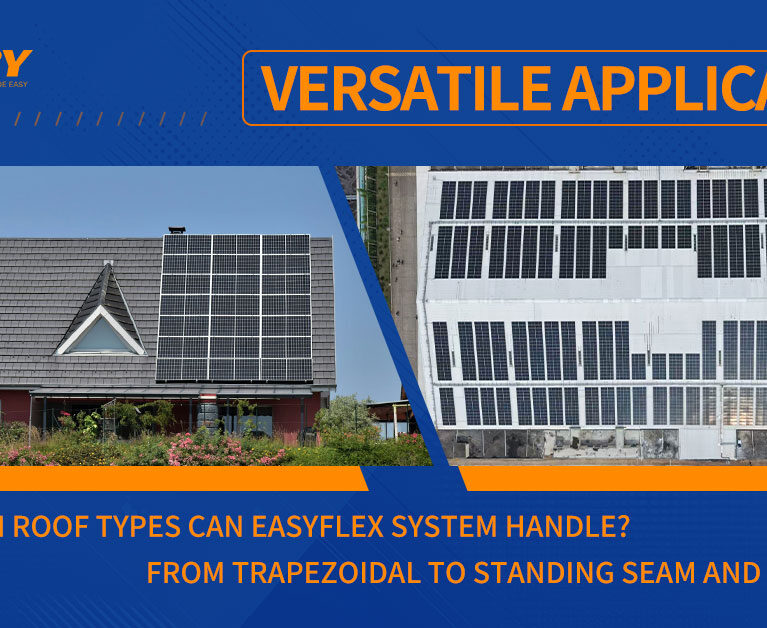
Color steel sheet roofs are widely used in small to medium commercial buildings, such as restaurants, convenience stores, and offices. The corrugated profiles vary (trapezoidal, wavy, standing seam), requiring specific clamps or bases for proper installation.
Concrete roofs are common in multi-story commercial buildings, hotels, and schools in urban centers. These roofs have relatively good load capacity but may suffer from aging and waterproofing issues. Installation typically involves L-foot brackets fixed with chemical anchors or expansion bolts, which is labor-intensive and requires professional construction. Drilling in older concrete roofs may cause cracks or damage the waterproof layer.
Roof Load Limitations
Many commercial buildings in the Philippines were built between the 1980s and 1990s, with incomplete structural data. Even newer buildings usually have roof live loads of only 100–150 kg/m², including construction loads. Traditional PV racks and modules add 15–20 kg/m². While seemingly small, additional wind loads, maintenance loads, and potential water accumulation pose risks for older roofs.
Lightweight designs are therefore essential: reducing every kilogram of structural weight lowers risk and increases safety margins.
Tropical Climate Conditions
The Philippines has a tropical maritime climate, with high temperatures and humidity year-round. The wet season (June–December) brings frequent rainfall, while the dry season (January–May) is hot and dry. Approximately 20 typhoons affect the country annually, with some areas experiencing basic wind pressures of 0.8–1.0 kN/m². High temperatures accelerate module degradation; humidity and salt spray (especially in coastal areas) accelerate metal corrosion. Strong winds demand high uplift resistance from rooftop mounts.
Importance of Anti-Corrosion and Wind-Resistant Design
Given these conditions, corrosion protection and wind resistance are critical. Coastal projects within 5 km of the sea should use aluminum racks or SS316 fasteners; inland projects may use hot-dip galvanized steel (coating thickness ≥75 μm) or SS304. Wind load calculations must consider a 50-year return period, with fasteners placed on structural members (purlins or concrete beams), adding reinforcement or wind clamps in high-wind zones.
2. Core Advantages of Lightweight Rooftop Mounts
2.1 Reduced Roof Load
The primary value of lightweight systems is reducing stress on the roof structure. For example, aluminum racks weigh only one-third of steel by density. With comparable structural strength, aluminum systems reduce self-weight by 40–60%, critical for older or uncertain roofs. Lower system weight increases safety margins and eases structural assessment.
2.2 Modular Installation
Lightweight mounts are typically modular. Components are prefabricated in the factory, requiring only on-site assembly and fixation. No cutting, welding, or post-galvanization is needed. Faster installation reduces labor costs, which is advantageous for time-sensitive commercial projects. Modular design also enables phased expansion according to budget.
2.3 Corrosion-Resistant Materials
Lightweight racks usually use aluminum or hot-dip galvanized steel. Aluminum naturally forms a protective oxide layer, showing excellent corrosion resistance in high-salt coastal environments without additional coatings. It is lightweight and aesthetically pleasing. Hot-dip galvanized steel is lower-cost and stronger, suitable for large spans; coastal projects should ensure coating thickness ≥85 μm and protect cut edges.
2.4 Flexibility for Different Roof Types
Lightweight systems can adapt to various roofs:
- Metal & color steel roofs: fixed with clamps on peaks or seams without penetration
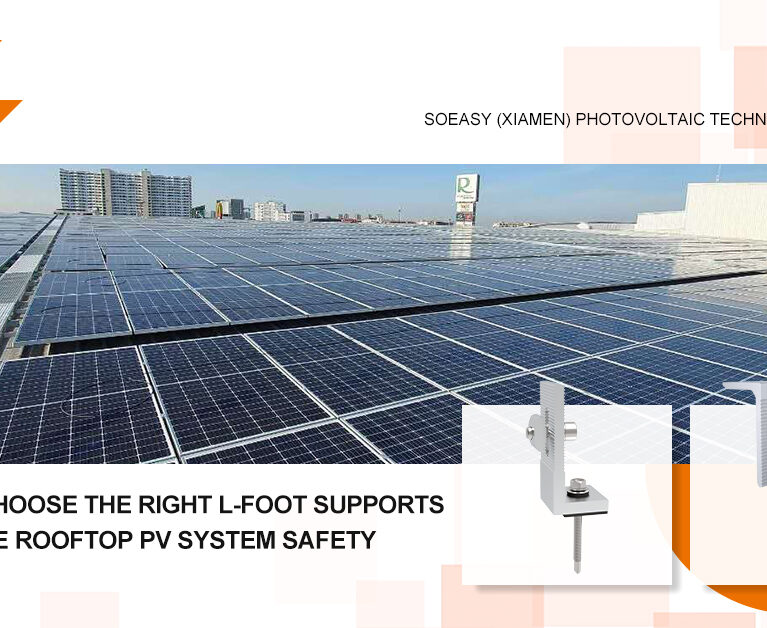
- Concrete roofs: L-feet fixed with chemical anchors or expansion bolts, with waterproof gaskets and sealants
Heights, tilt angles, and fixation points are adjustable on-site, accommodating actual roof conditions.
3. Efficient Power Generation Design
Tilt and Orientation Optimization
The Philippines lies between 5–20° N latitude. Optimal tilt is 10–15°, close to latitude. Excessive tilt reduces solar irradiance per unit area and increases wind load. South-facing arrays maximize annual output. For long east-west roofs, dual-orientation arrays can match morning and evening load peaks, though annual energy is slightly lower.
Row Spacing Design
With limited roof area, spacing must balance shading and installed capacity. High noon sun minimizes shading, but early morning and late afternoon sun can cause long shadows. Design should ensure no shading from 9 AM to 3 PM at winter solstice. Compact roofs may accept minor edge shading for higher capacity.
Expandability
Commercial energy needs may grow over time. Modular designs allow future capacity expansion. Layouts should reserve space for additional modules, and electrical design should include expansion interfaces.
Effect of Lightweight Design on Efficiency
Lightweight design does not directly increase module efficiency but allows more modules on weight-limited roofs, increasing total generation. Aluminum’s thermal conductivity aids cooling, slightly improving efficiency under high-temperature conditions.
4. Space Utilization and Commercial Value
Maximize Rooftop Area
Optimized layouts and flexible fixation maximize usable area, preserving building functions (HVAC units, cooling towers, vents) while turning idle space into revenue-generating assets.
Minimal Ground Occupation
In dense urban areas, rooftops preserve ground space. No parking or green area needs to be sacrificed, crucial in Manila, Cebu, and other city centers.
Commercial Benefits
Rooftop PV reduces electricity bills, generates revenue from surplus energy, enhances green branding, and contributes to LEED or BERDE certifications. Combining PV carports with rooftop PV can provide EV charging, creating new growth opportunities.
5. Case Study
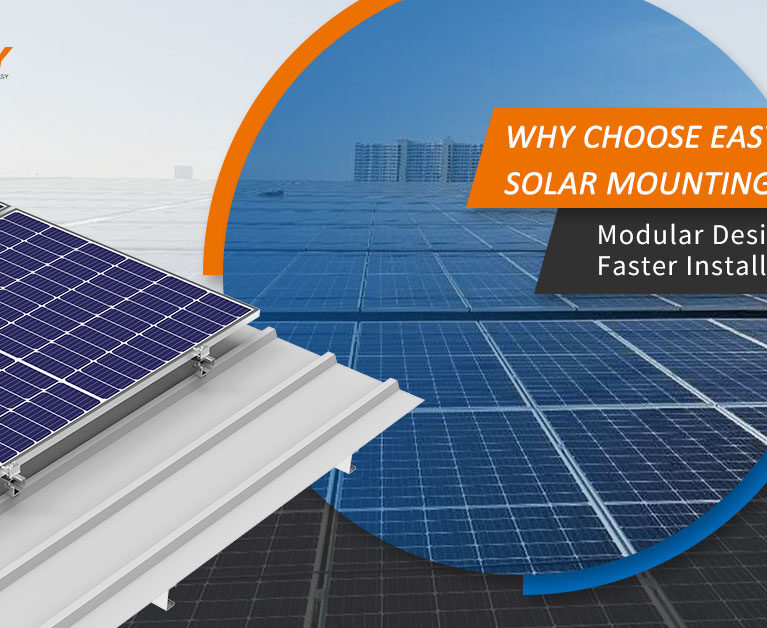
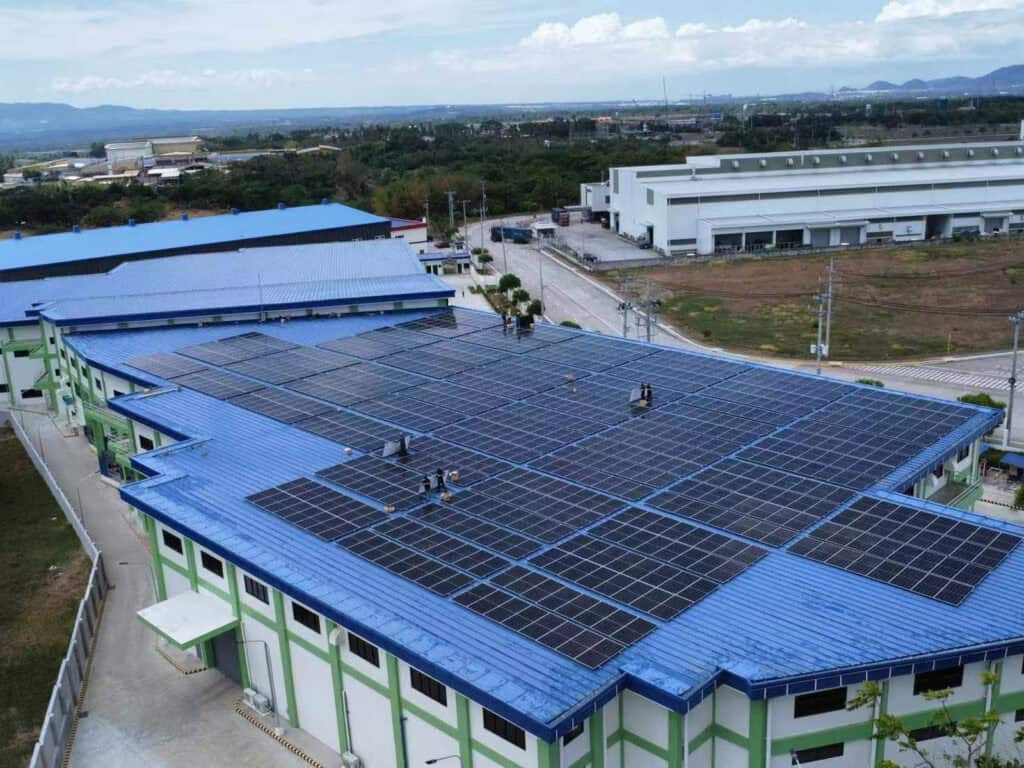
SOEASY provided a lightweight aluminum rooftop system specifically for metal rooftops. The system is engineered for high corrosion resistance and wind load durability, making it well-suited for tropical conditions. Its modular structure and ease of installation also contributed to a rapid deployment process, significantly reducing on-site labor time and improving construction efficiency.
Philippine commercial rooftops face load limitations, tropical climate, and limited design resources. Lightweight mounting systems provide:
- Safety: reduce roof load, lower structural risk
- Flexibility: adaptable to multiple roof types and fixation methods
- Efficiency: modular installation shortens schedule, optimized layout increases output
Selecting experienced suppliers and proven lightweight solutions is key to project success in this high-growth, high-cost, high-risk market.
SOEASY Philippine Commercial Rooftop Solutions
- Lightweight aluminum racks: adaptable to concrete, metal, and color steel roofs
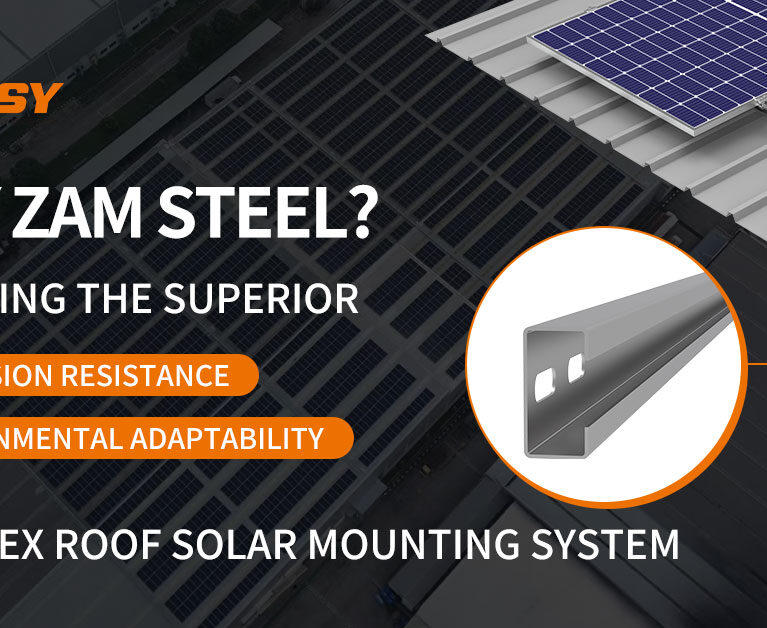
- Hot-dip galvanized / ZAM steel racks: for large spans and high load requirements
- Wind- and corrosion-resistant design: typhoon- and coastal-optimized
- Modular, fast installation: prefabricated components, rapid assembly
Contact SOEASY Solar for professional lightweight rooftop mounting solutions and project case studies.
Appendix: Maintenance and FAQ
Maintenance Recommendations:
- Corrosion inspection: every 6 months (3 months for coastal sites)
- Fastener check: before/after typhoon season, torque as per design
- Cleaning: remove dust and bird droppings every 2–3 months; increase frequency in dry season
FAQ:
- Q1: Are lightweight racks compatible with all roof types?
A1: Yes; bases can be swapped for concrete, metal, or color steel roofs. - Q2: Is aluminum strong enough?
A2: Yes; 6065-T6 alloy yield ≥205 MPa, sufficient for most Philippine rooftops. Steel is recommended for extra-large spans. - Q3: Are tilt angles adjustable on-site?
A3: Yes; 5–15° adjustment supported. - Q4: How long to install 100 kW?
A4: Typically 5–7 days, depending on roof complexity and weather.