English

 Post by
 In rooftop solar projects, the choice of mounting system often determines overall system performance and long-term reliability. A well-designed mounting solution must ensure over 25 years of safe operation while balancing installation efficiency, structural stability, and cost control.
With diverse roof types—from asphalt shingle roofs in North America to corrugated asbestos roofs in Southeast Asia and Africa—installation requirements vary significantly. A flexible and reliable solution is essential.
This is where the L foot solar mounting system proves its value. As a fundamental and highly adaptable component, L feet are widely used across global rooftop solar projects.
This guide explains the structure, advantages, applications, and selection considerations of L foot mounting systems.
What Is an L Foot in Solar Mounting Systems?
Definition
An L foot is an L-shaped metal bracket that serves as a structural connector:
- Bottom side: Fixes to the roof’s load-bearing structure (rafters or purlins)
- Vertical side: Connects to solar rails
It acts as the critical link transferring loads from the solar system to the roof structure.
Key Specifications
- Material: Aluminum alloy (AL6005-T6 / AL6063-T6)
- Surface Treatment: Anodized for corrosion resistance
- Height Options: 60–180 mm
- Thickness: 3–5 mm
- Hole Size: 7 mm / 8 mm / 11 mm
- Rail Connection: Compatible with standard T-bolts (M8/M10)
Core Functions
- Structural connection between roof and PV system
- Height adjustment for leveling
- Adaptability across multiple roof types
Key Advantages of L Foot Mounting Systems
1. Simple Structure, Easy Installation
- Single-component design
- No moving parts, low failure rate
- Quick installation with standard tools
2. Adjustable and Flexible
- Adapts to uneven roof surfaces
- Allows precise rail leveling
- Supports different installation heights
3. Cost-Effective Solution
- Minimal material usage
- Simplified system structure
- Lower logistics and labor costs
4. High Compatibility
L feet can be combined with multiple components:
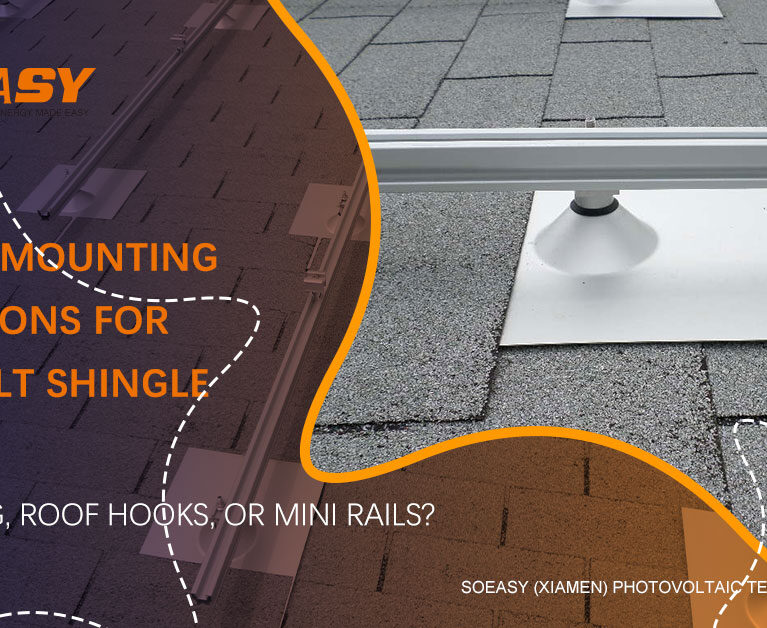
- Flashing (for asphalt roofs)
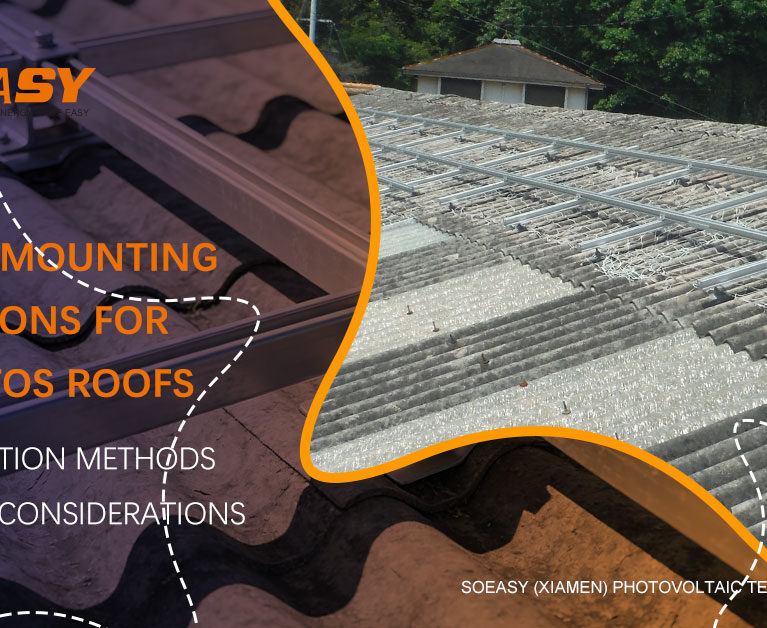
- Wave base (for asbestos roofs)
- Hanger bolts (for deeper anchoring)
- Mini rails (for fast installation systems)
Applications Across Different Roof Types
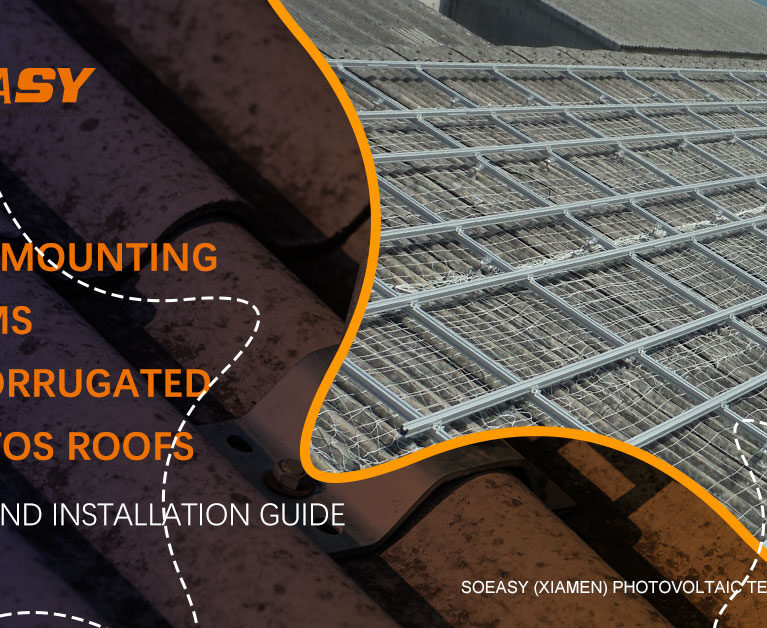
1. Corrugated Asbestos Roofs
Recommended Solutions
- L Foot + Wave Base
- L Foot + Hanger Bolt
Key Considerations
- Always use wave base to distribute load
- Avoid direct pressure on fragile sheets
- Fix strictly into purlins
2. Asphalt Shingle Roofs
Recommended Solution
- Flashing + L Foot
Key Considerations
- Flashing ensures waterproofing
- L foot provides structural support
- Fix into rafters only
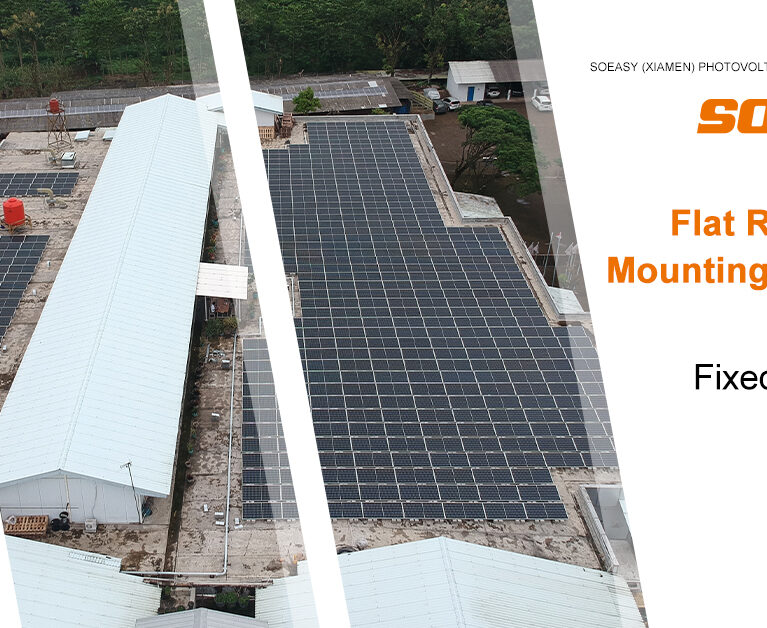
3. Lightweight & Distributed Projects
Recommended Solution
- L Foot + Mini Rail
Advantages
- Faster installation
- Reduced system weight
- Flexible layout
Installation Process Overview
- Site inspection and structure identification
- Rafter or purlin positioning
- Installation of L feet with proper fasteners
- Rail or mini rail installation
- Waterproof sealing
- Module installation
Design and Selection Recommendations
Choose Based on Roof Type
| Roof Type | Recommended Solution |
|---|---|
| Asbestos Roof | L Foot + Wave Base |
| Asphalt Roof | L Foot + Flashing |
| Metal Roof | L Foot + Sealing Washer |
| Lightweight Projects | L Foot + Mini Rail |
Height Selection
Consider:
- Roof unevenness
- Ventilation requirements
- Roof obstacles
Typical projects use 80–120 mm L feet
Material Selection
- Aluminum alloy (6005-T6 / 6063-T6)
- SUS304 stainless steel fasteners
Safety Considerations
- Always fix into structural elements
- Avoid direct mounting on roofing materials
- Use load distribution components where required
FAQ
Q1: What roofs are L feet suitable for?
A: They are compatible with asphalt, asbestos, metal, and concrete roofs with proper accessories.
Q2: Is flashing always required?
A: Not always. It is strongly recommended for asphalt roofs for waterproofing.
Q3: What is the difference between L feet and hanger bolts?
A: L feet are brackets; hanger bolts provide deeper anchoring for thick roofs or steel structures.
Q4: How to choose L foot height?
A: Based on roof unevenness, ventilation needs, and obstacle clearance.
L Foot Mounting Systems: A Practical Choice for Reliable Rooftop Solar
Although compact in design, the L foot plays a vital role in rooftop solar mounting systems. Its performance directly affects system stability, installation efficiency, and long-term durability.
Key Advantages of L Foot Systems:
- Simple Structure – Easy to understand, install, and maintain
- Efficient Installation – Reduces on-site labor time and complexity
- High Adaptability – Compatible with a wide range of roof types and mounting solutions
Recommended Configurations:
- Corrugated asbestos roofs → L Foot + Wave Base
- Asphalt shingle roofs → L Foot + Flashing
With its versatility and proven reliability, the L foot remains a fundamental component in modern rooftop solar mounting systems.
Why Choose SOEASY
- Full Range of L Foot Sizes (60–180 mm) to suit different roof conditions
- Wide System Compatibility with flashing, wave base, hanger bolts, and mini rail systems
- Custom Engineering Support tailored to specific project requirements
To explore how these solutions are applied in real-world projects, visit our roof mounting case studies page: https://soeasypv.com/roof-pv-projects/
SOEASY provides practical, efficient, and reliable solar mounting solutions for diverse rooftop applications.