English

 Post by
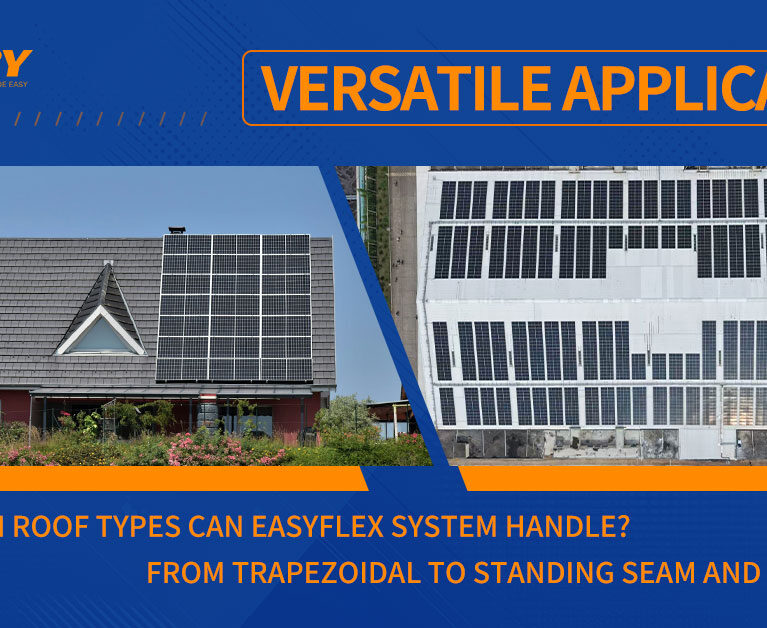
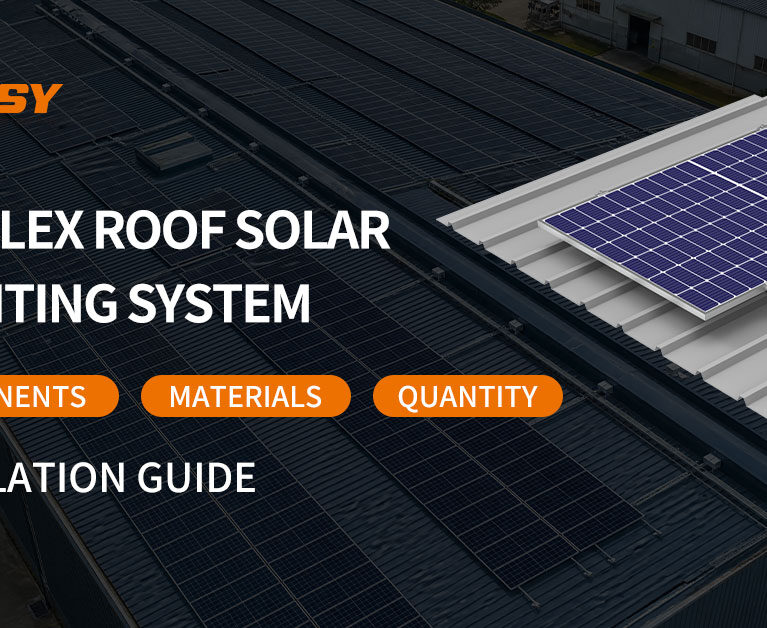
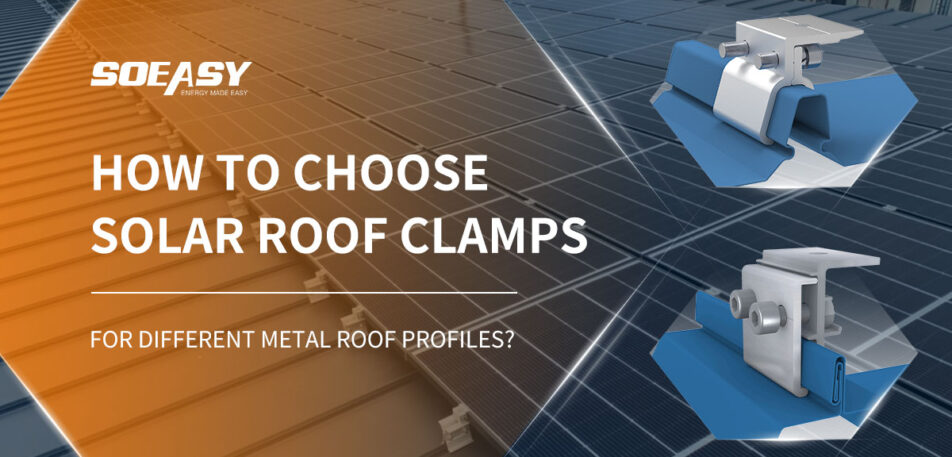
 Metal roofs are widely used in industrial, commercial, and agricultural buildings, making them an important application for rooftop solar PV systems. However, metal roofs are not all designed in the same way. Trapezoidal, corrugated, standing seam, and Klip-Lok roofs have different profiles, connection methods, and structural characteristics, so the solar clamps used for each roof type also need to be selected accordingly.
The roof clamp is a relatively small component in a rooftop PV system, but it plays an important role in connecting the roof to the solar mounting structure. The right clamp must provide reliable load transfer while maintaining the integrity of the roof and enabling efficient installation.
Choosing a solar clamp should therefore go beyond simply checking whether it can physically fit the roof. The roof profile, fixing method, wind and snow loads, waterproofing requirements, and installation conditions should all be considered before selecting the appropriate solution.
1. What Determines the Right Solar Clamp for a Metal Roof?
The first step in selecting a solar roof clamp is to understand the actual roof profile and its structural characteristics. Even roofs that look similar from a distance may have different rib dimensions, seam geometries, or fixing methods, which can make a significant difference to clamp compatibility.
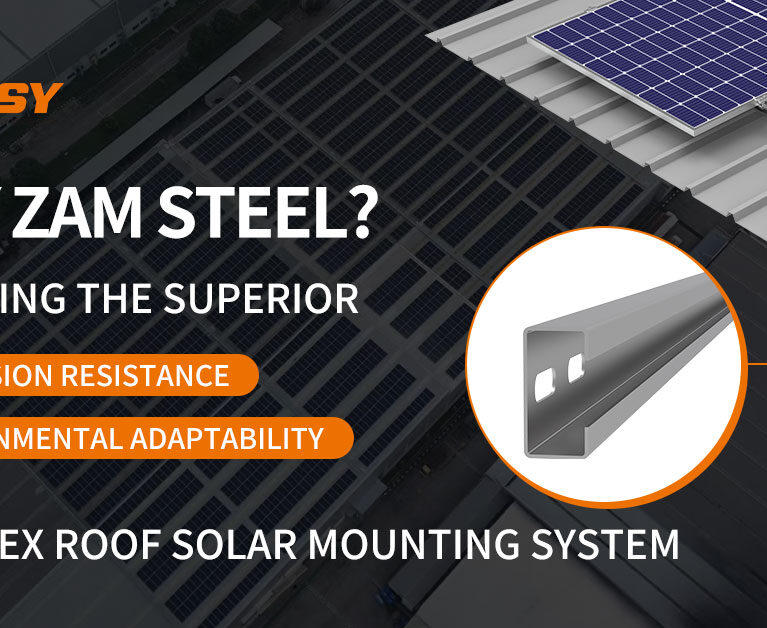
The most important consideration is the connection between the clamp and the roof. Depending on the roof design, a mounting solution may use screws to penetrate and fix to the roof structure, or it may clamp directly onto a standing seam without penetrating the roof sheet.
The expected structural loads also need to be considered. Solar clamps are exposed to the loads transferred from the PV modules and mounting rails, including wind uplift, wind pressure, and, in some regions, snow loads. The clamp and its connection to the roof should therefore have sufficient load-bearing capacity for the specific project.
Other factors such as roof material, sheet thickness, corrosion environment, waterproofing requirements, and installation method should also be evaluated.
In practice, the key questions are:
- What is the exact roof profile?
- How is the roof panel connected to the building structure?
- Where can the mounting system safely transfer loads?
- Does the clamp require roof penetration?
- What wind and snow loads must the system withstand?
- How will the fixing point be protected against water penetration?
Only after these factors are understood can the appropriate clamp be selected.
2. Solar Clamps for Trapezoidal Metal Roofs
Trapezoidal metal roofs are commonly used on industrial buildings, warehouses, and commercial facilities. Their characteristic raised ribs and recessed sections provide several possible fixing locations for solar mounting systems.
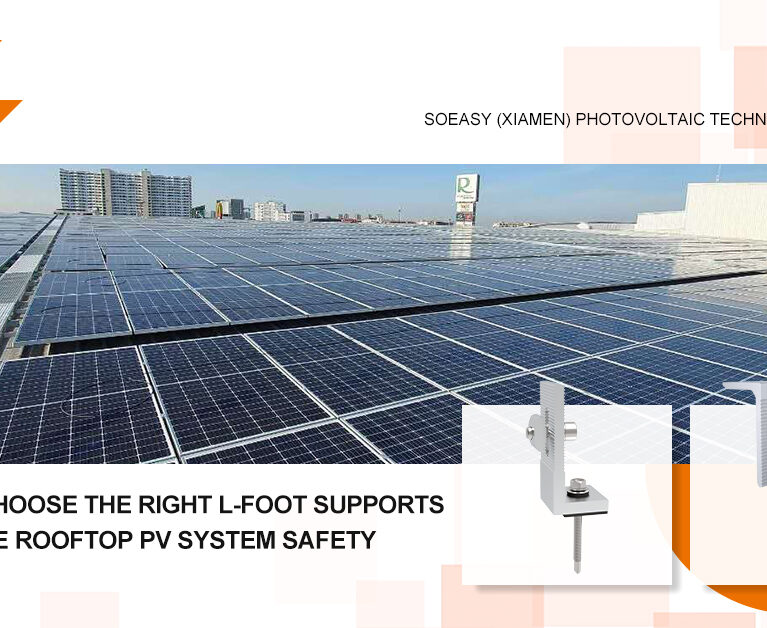
For trapezoidal roofs, the mounting solution is usually selected according to the geometry of the raised rib and the thickness and construction of the roof sheet. Profile-specific clamps, L-foot solutions, and other screw-fixed mounting components can be used depending on the roof design.
The most important point is that the fixing component must properly match the roof rib. A clamp that is too wide, too narrow, or incorrectly shaped may not provide adequate contact with the roof surface and can affect load transfer.
For screw-fixed solutions, the fixing position and screw specification are particularly important. The connection should be designed to provide sufficient pull-out resistance while avoiding unnecessary damage to the roof. Waterproof washers, sealing components, and appropriate installation torque are also important for protecting the penetration points.
When selecting a clamp for a trapezoidal roof, project teams should therefore check the actual rib width, height, roof thickness, fixing location, and applicable wind and snow loads rather than selecting a product based only on the general term “trapezoidal roof.”
3. Solar Clamps for Corrugated Metal Roofs
Corrugated metal roofs are another common roofing type used for industrial, agricultural, and commercial buildings. Unlike trapezoidal panels, corrugated roofs generally have continuous curved or wave-shaped profiles, meaning their contact geometry with the mounting component is different.
Solar mounting solutions for corrugated roofs may include profile-specific corrugated roof clamps, L-foot systems, or other fixing brackets designed around the roof’s corrugation pattern.
The corrugation dimensions are particularly important. The clamp or bracket needs to sit securely on the appropriate part of the profile and transfer loads without causing excessive deformation of the roof sheet.
For penetrating solutions, the location and method of screw fixation are also critical. The system should provide reliable mechanical connection while incorporating suitable sealing measures around the penetration points.
It is therefore not advisable to assume that a clamp designed for a trapezoidal roof can automatically be used on a corrugated roof. Although both are metal roofing systems, their profiles and load-transfer characteristics can be significantly different.
4. Solar Clamps for Standing Seam Metal Roofs
Standing seam metal roofs have a different mounting principle from screw-fixed metal roofs. Instead of exposed fasteners through the roof surface, the roof panels are connected through raised seams that run along the roof.
This makes standing seam clamps a popular solution for rooftop PV installations because the mounting system can attach to the seam without penetrating the roof panel.
A typical standing seam solar clamp grips the seam using a specially designed clamping mechanism. This can reduce the need to drill through the roofing material and helps preserve the roof’s original surface and waterproofing system.
However, not every standing seam clamp is suitable for every standing seam roof.
The seam geometry can vary between roofing systems, and the clamp must be compatible with the specific seam dimensions and configuration. The clamping mechanism must also provide sufficient mechanical strength to resist the loads transferred from the PV mounting structure.
When selecting a standing seam clamp, important factors include:
- Seam shape and dimensions
- Clamp jaw geometry
- Clamping force
- Wind uplift resistance
- Roof manufacturer’s requirements
- Compatibility with the solar rail system
A clamp should not be selected simply because it appears to fit the seam. Its structural performance and compatibility with the specific roof system need to be verified.
5. Solar Clamps for Klip-Lok Roofs
Klip-Lok roofs are widely used in markets such as Australia and other regions where concealed-fixing metal roofing systems are common. Their concealed seam design makes them particularly suitable for non-penetrating solar mounting solutions.
Because the roof does not normally rely on exposed screws across the main roof surface, installing a solar system by drilling through the roof sheet may unnecessarily affect the roofing system. For this reason, profile-specific Klip-Lok clamps or seam-mounted brackets are commonly considered for solar installations.
A suitable Klip-Lok clamp should match the specific roof profile and seam geometry. Different roofing manufacturers and product series may have variations in seam dimensions, so identifying the exact profile is important before selecting the clamp.
Wind uplift resistance is another key consideration. The clamp must securely transfer loads from the solar mounting system to the roof seam without damaging or deforming the roofing panel.
For Klip-Lok projects, the main selection factors include:
- Specific Klip-Lok roof profile
- Seam dimensions
- Clamp compatibility
- Wind uplift requirements
- Roof manufacturer’s specifications
- Required rail and module configuration
For commercial and industrial projects, obtaining the roof profile information before purchasing clamps can significantly reduce compatibility and installation risks.
Comparing Solar Clamp Solutions for Different Metal Roof Profiles
Although trapezoidal, corrugated, standing seam, and Klip-Lok roofs are all metal roofing systems, their mounting approaches can be quite different.
| Metal Roof Profile | Typical Mounting Approach | Roof Penetration | Main Selection Considerations |
|---|---|---|---|
| Trapezoidal | Profile-specific clamps / L-foot solutions | Depending on system | Rib geometry, roof thickness, waterproofing |
| Corrugated | Corrugated roof clamps / L-foot solutions | Depending on system | Corrugation profile, fixing position, sealing |
| Standing Seam | Seam clamps | Typically non-penetrating | Seam geometry, clamping force, load capacity |
| Klip-Lok | Profile-specific seam clamps | Typically non-penetrating | Seam compatibility, wind resistance, roof specifications |
The table provides a general reference only. The actual mounting method should always be determined according to the specific roof profile and project requirements.
How to Check Whether a Solar Clamp Is Suitable
Before purchasing solar roof clamps, EPC contractors, installers, and distributors should collect sufficient information about the roof and project.
The first step is to identify the roof profile. Photos are useful for initial identification, but profile drawings or detailed dimensions are much more reliable. For standing seam and Klip-Lok roofs in particular, seam dimensions can determine whether a clamp is compatible.
The roof material and thickness should also be confirmed because they influence the mechanical performance of the fixing connection.
Project-specific structural requirements should then be considered. Wind load is particularly important for rooftop PV systems because wind uplift can place significant forces on the clamps and roof connections. Snow load should also be considered for projects in regions with significant snowfall.
Finally, the installation method and waterproofing details need to be checked. For penetrating solutions, the fixing method and sealing components should be compatible with the roofing system. For non-penetrating seam clamps, the clamping mechanism and allowable load should be verified.
A practical selection checklist includes:
- Roof profile and dimensions
- Roof material and thickness
- Seam dimensions, where applicable
- Wind and snow load requirements
- Clamp material and corrosion resistance
- Fastener specifications
- Load-bearing capacity
- Waterproofing requirements
- Compatibility with rails and other mounting components
8. Why Profile-Specific Solar Clamps Matter
Using a profile-specific clamp is not simply about achieving a better physical fit. It directly affects the structural reliability, waterproofing, and installation efficiency of the entire PV mounting system.
First, a properly matched clamp provides a more reliable load path between the solar mounting structure and the roof. This is especially important when the system is exposed to strong wind or other environmental loads.
Second, the correct mounting method helps protect the roof. For penetrating systems, proper sealing and fixing design can reduce the risk of water penetration. For standing seam and Klip-Lok roofs, compatible non-penetrating clamps can preserve the integrity of the roofing surface.
Third, profile-specific clamps can improve installation efficiency. When the component is designed for the actual roof profile, installers spend less time adjusting components or modifying the mounting system on site.
Ultimately, the right clamp can help reduce project risks related to:
- Structural performance
- Roof damage
- Water leakage
- Installation delays
- Long-term maintenance
9. How SOEASY Supports Different Metal Roof Mounting Applications
Different roof profiles require different mounting approaches, which is why a professional solar mounting supplier should provide more than a one-size-fits-all clamp.
SOEASY Solar provides mounting solutions for a range of metal roof applications, including trapezoidal metal roofs, corrugated metal roofs, standing seam roofs, and Klip-Lok roof systems.
For project-specific applications, customers can provide information such as the roof profile, roof dimensions, material, thickness, and project location. Based on these conditions, the mounting solution can be selected and customized according to the actual installation requirements.
SOEASY’s mounting solutions cover different fixing approaches, including profile-specific roof clamps, L-foot solutions, and non-penetrating seam mounting solutions. The mounting structure can also be coordinated with the required solar rails, clamps, and other components to form a complete rooftop PV mounting solution.
For EPC contractors, distributors, and solar installers, this project-specific approach can simplify product selection and reduce the risk of using incompatible roof components.
The Right Clamp Starts with the Right Roof Profile
Choosing a solar roof clamp should always start with identifying the actual metal roof profile. Trapezoidal, corrugated, standing seam, and Klip-Lok roofs may all be classified as metal roofs, but their geometries, connection methods, and load-transfer characteristics are different.
A reliable selection process should consider:
Roof Profile + Connection Method + Load Requirements + Waterproofing + Installation Conditions
The right solar clamp should not only fit the roof physically but also provide reliable structural performance, protect the roofing system, and support efficient installation.
For EPC contractors, installers, and distributors, working with a mounting manufacturer capable of providing profile-specific solutions and technical support can make solar roof projects easier to design, install, and manage. SOEASY Solar supports different metal roof applications with customized mounting solutions designed around the actual requirements of each project.
Click here to see more solar clamps mounting solutions – contact us right now!