English

 Post by
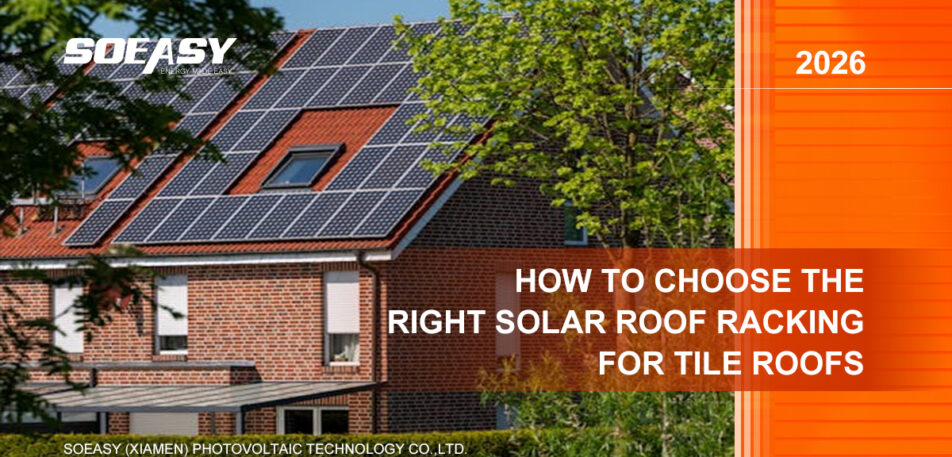
 Tile roofs are popular worldwide for both residential and commercial buildings, thanks to their durability, attractive appearance, and long service life. However, installing solar panels on tile roofs requires careful selection of Tile roof solar mounting systems. This ensures structural safety, optimal performance, and protection for the roof itself. The key to a successful installation is matching your Solar roof racking to your tile roof’s structure—whether it’s wooden, concrete, or steel rafter. You also need to account for critical factors like load-bearing capacity, wind load, snow load, and local building codes. In this guide, we’ll break down everything you need to know to choose the perfect Rooftop PV structure for your tile roof, helping you maximize energy savings while protecting your property.
Understanding Tile Roof Structures: The Foundation of Choosing Solar Panel Roof Mounts
Before selecting Tile roof solar mounting systems, you first need to identify your tile roof’s underlying structure. The three most common types—wooden, concrete, and steel rafter—each have unique characteristics. These characteristics directly affect which type of Solar roof racking will work best for you. Each structure differs in load-bearing capacity, durability, and installation needs. For long-term safety and efficiency, matching your Solar panel roof mounts to your roof’s structure is non-negotiable.
1. Wooden Structure Tile Roofs: Lightweight, Versatile, and Requiring Careful Support
Wooden structure tile roofs are widely used in homes. They feature wooden rafters and sheathing, covered with clay, concrete, or slate tiles. These roofs are lightweight, cost-effective, and easy to modify. But they require Solar roof racking that minimizes stress and prevents damage to the wooden parts.
Key Considerations for Solar Mounting Selection:
- Load-Bearing Capacity: Wooden rafters usually have a lower load capacity than concrete or steel—typically 10-20 lbs per square foot (psf). When choosing Tile roof solar mounting for wooden structures, pick lightweight, high-strength materials. Anodized aluminum (Al 6005-T5) or stainless steel (SUS304) are great options, as they reduce weight without sacrificing durability. Avoid heavy steel racking, which could overburden the rafters. Also, always check the rafter spacing (usually 16-20 inches on center) to ensure the weight is distributed properly across multiple rafters.
- Wind Load & Snow Load Adaptability: Wooden roofs are more vulnerable to wind and snow damage. That’s why your Rooftop PV structure must be engineered to handle local weather conditions. For high-wind areas (wind speeds up to 60 m/s), choose racking with reinforced anchors and extra bracing to prevent uplift. In snowy regions (snow load ≤ 1.4 kN/m²), opt for low-profile Solar panel roof mounts. These minimize snow buildup and ensure the combined weight of snow and panels doesn’t exceed the rafters’ capacity. Follow international standards like ASCE 7-05 or DIN 1055 for wind and snow load compliance.
- Recommended Solar Mounting Systems: Adjustable tile hooks are ideal for wooden structure tile roofs. TheseTile roof solar mounting solutions attach directly to the wooden rafters—just gently lift the tiles to expose the structure. They also have pre-assembled components, making installation easy and reducing labor costs.
2. Concrete Structure Tile Roofs: Heavy-Duty, Durable, and Ideal for High-Load Systems
Concrete structure tile roofs are common in commercial buildings and modern homes. They have a concrete slab base, covered with heavy concrete or clay tiles. These roofs are extremely durable, fire-resistant, and have excellent load-bearing capacity. This makes them perfect for large Rooftop PV structure installations.
Key Considerations for Solar Mounting Selection:
- Load-Bearing Capacity: Concrete structures have the highest load capacity of the three types—often 50-100 psf or more. Concrete tiles themselves weigh about 1,030 lbs per 100 square feet. This means you can use heavier, more robust Solar roof racking, like steel or aluminum frames, without worrying about overloading the roof. For large-scale installations, consider ballasted Tile roof solar mounting systems. These use weights to secure the racking without penetrating the concrete. Or, use anchored systems for maximum stability in high-wind areas.
- Wind Load & Snow Load Adaptability: Concrete roofs are highly resistant to wind and snow. Even so, your Solar panel roof mounts still need to be engineered for local conditions. In coastal or high-wind regions, use anchored racking. This uses chemical or mechanical fasteners drilled into the concrete slab to prevent uplift. For heavy snow areas (snow load up to 5.4 kN/m²), choose racking with a steep tilt angle (up to 60°). This lets snow slide off easily, reducing weight buildup. Make sure the racking meets standards like AS-NZS 1170 or IBC 2009 for weather resistance.
3. Steel Rafter Structure Tile Roofs: Strong, Corrosion-Resistant, and Low-Maintenance
Steel rafter structure tile roofs combine the beauty of tile roofs with the strength of steel framing. They are lightweight yet durable, and corrosion-resistant when made with galvanized or stainless steel. These roofs are commonly used in both homes and commercial buildings. Steel rafters offer excellent load-bearing capacity and work with a wide range of Tile roof solar mounting systems.
Key Considerations for Solar Mounting Selection:
- Load-Bearing Capacity: Steel rafters have a moderate to high load capacity , depending on the steel gauge and spacing. They can support most standard Solar panel roof mounts, including aluminum and steel racking. Unlike wooden rafters, steel doesn’t warp or rot. This means you don’t have to worry about long-term structural damage. When selecting racking, make sure the fasteners are compatible with steel. Use self-tapping screws or bolted connections that won’t damage the rafters or cause corrosion.
- Wind Load & Snow Load Adaptability: Steel rafters resist wind uplift and snow weight well. But your Solar roof racking still needs to be properly anchored for maximum stability. In high-wind areas, use racking with reinforced clamps that attach directly to the steel rafters. This eliminates the need for extra bracing. For snowy regions, choose adjustable Rooftop PV structure that lets you adjust the tilt angle to shed snow efficiently. Look for racking with corrosion-resistant coatings (like anodized aluminum or galvanized steel) to withstand harsh weather and prevent rust from damaging the steel rafters.
Longtail Keywords: steel rafter tile roof solar mounts, clamp-on solar roof racking for steel rafters, corrosion-resistant rooftop PV structure
Critical Factors Beyond Roof Structure: Load-Bearing, Wind Load, and Snow Load
While your tile roof’s structure is the main factor in choosing Tile roof solar mounting, there are three other critical engineering considerations. These are load-bearing capacity, wind load, and snow load. These factors ensure your Solar roof racking can withstand the elements and support the solar panels for decades.
1. Load-Bearing Capacity: Never Overload Your Roof
Load-bearing capacity is the maximum weight your roof can safely support. This includes the weight of the solar panels, Solar panel roof mounts, and any additional loads (like snow, wind, or maintenance workers). Before installing any Rooftop PV structure, follow these three steps: (1) Have a professional inspect your roof to determine its load capacity. (2) Calculate the total weight of the solar system—panels usually weigh 30-50 lbs each, plus the racking. (3) Make sure the total weight doesn’t exceed 80% of the roof’s maximum load capacity. This leaves a safety margin for unexpected loads like heavy snow.
For wooden roofs, this may mean reinforcing the rafters with extra lumber if the load capacity is too low. For concrete and steel roofs, reinforcement is less common. Even so, a professional inspection is still recommended. It can identify any cracks, rust, or damage that could compromise safety.
2. Wind Load: Protect Against Uplift and Damage
Wind load is the force that wind exerts on your roof and Tile roof solar mounting system. It varies by region—coastal areas, plains, and high-altitude regions usually have higher wind speeds (up to 60 m/s). These areas need more robust racking than sheltered locations. To choose wind-resistant racking, follow these tips: (1) Check your local building codes for the minimum wind load requirement. (2) Choose Solar roof racking with a wind load rating that exceeds the local requirement by at least 10% for safety.
Key features to look for: Reinforced anchors, extra bracing, and low-profile designs that reduce wind resistance. For tile roofs, make sure the racking doesn’t lift or damage the tiles during high winds. Adjustable hooks and clamps that fit securely under the tiles are ideal.
3. Snow Load: Prevent Weight Buildup and Collapse
Snow load is the weight of snow that builds up on your roof in winter. Like wind load, it varies by region—northern climates and high-altitude areas have higher snow loads (1.4-5.4 kN/m²) than southern climates. To choose snow-resistant Solar panel roof mounts, do the following: (1) Check local building codes for the minimum snow load requirement. (2) Choose a Rooftop PV structure with a tilt angle of 30-45°. This lets snow slide off easily, reducing buildup. (3) Ensure the racking and roof can support the combined weight of snow and solar panels.
Essential Tips for Installing Tile Roof Solar Mounting Systems
Even with the right Solar roof racking, improper installation can cause roof damage, leaks, and unsafe conditions. Follow these simple tips to ensure a successful installation:
- Hire a Professional Installer: Tiled roof structures are intricate – improper removal or reinstallation of tiles may lead to leaks. Engage qualified professionals with proven experience in installing solar panels on tiled roofs (having completed at least 50 such projects). This ensures compliance with industry standards and local regulations. Specialists will conduct comprehensive roof inspections and load calculations, helping you avoid costly mistakes.
- Waterproofing for tiled roofs: When installing solar mounting systems on tiled roofs, water ingress poses the greatest risk. Waterproof washers must be used around all penetration points (such as anchors and hooks) to prevent leaks. Upon completion of installation, the roof must be inspected for gaps or damaged tiles, with any issues rectified immediately.
- Choose High-Quality, Corrosion-Resistant Materials:Solar panel roof mounts are exposed to the elements 24/7, so they need to be durable and corrosion-resistant. Opt for anodized aluminum, stainless steel (SUS304), or galvanized steel. These materials can withstand rain, snow, and saltwater (for coastal areas) and have a long lifespan (25+ years)—matching both solar panels and tile roofs. Avoid low-quality steel, which can rust and damage your roof.
- Follow Local Building Codes and Standards: Every region has different codes for Rooftop PV structure installations. These include requirements for load-bearing, wind load, and snow load. Make sure your racking and installation comply with local codes, as well as international standards like JIS 8955:2017, AS-NZS 1170, and IBC 2009. Non-compliance can lead to fines, insurance issues, and unsafe conditions.
Final Guide: How to Choose the Right Tile Roof Solar Mounting System
To summarize, choosing the perfect Tile roof solar mounting system comes down to three simple steps: (1) Identify your tile roof’s structure (wooden, concrete, or steel rafter). (2) Evaluate the load-bearing, wind load, and snow load requirements for your region. (3) Select high-quality, compatible Solar roof racking that meets safety standards and preserves your roof.
By following this guide, you’ll not only choose the right Solar panel roof mounts for your tile roof. You’ll also ensure your Rooftop PV structure is safe, durable, and efficient. This will help you maximize energy savings and protect your investment for decades to come.
Frequently Asked Questions (FAQs)
- Can I install solar panels on any tile roof? Yes, most tile roofs can support solar panels with the right Tile roof solar mounting system. The key is matching the racking to your roof’s structure. You also need to ensure it meets load-bearing, wind, and snow load requirements. Delicate tiles (like slate) may need specialized mounts to avoid damage.
- Do tile roof solar installations damage the roof? No—if installed correctly. Use the right Solar roof racking (like tile hooks or replacement mounts) and hire a professional installer. Solar panels can even protect tiles from UV damage and extreme weather. The biggest risk is improper installation, so always hire a certified professional.
- How long do tile roof solar mounting systems last? High-quality Solar panel roof mounts made of aluminum or stainless steel can last 25-30 years. This matches the lifespan of solar panels and tile roofs. Look for systems with a 10+ year warranty for added peace of mind.
Ready to choose the perfect Tile roof solar mounting system for your home or business? Contact our team of experts for a customized recommendation. We’ll consider your roof structure, local weather conditions, and energy goals. Invest in a high-quality Rooftop PV structure today, and start enjoying clean, affordable energy tomorrow.soeasypv.com/contact-us/