English

 Post by
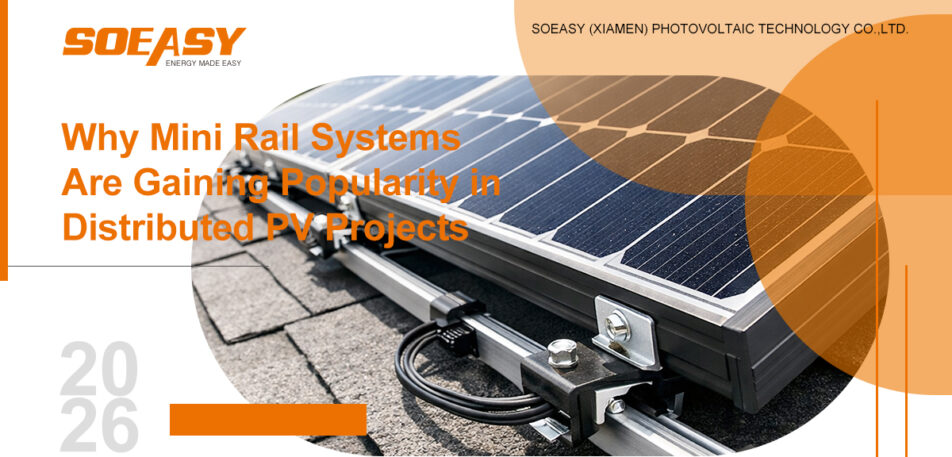
 As distributed solar continues to expand, mini rail solar mounting systems are becoming increasingly popular as photovoltaic projects shift away from large, centralized power plants toward smaller, decentralized installations. Distributed PV projects typically involve smaller system capacities, multiple installation locations, and scattered construction sites, all of which place higher demands on mounting system flexibility and installation efficiency.
At the same time, rooftop conditions have grown more diverse. Installations now commonly take place on metal roofs, concrete rooftops, lightweight steel structures, and even aging or heritage buildings. Under these conditions, traditional long-rail mounting systems often reveal clear limitations, including lower adaptability, longer installation time, and reduced compatibility with complex rooftops.
Against this background, mini rail solar mounting systems—also known as short-rail systems—have emerged as a practical alternative. Their lightweight, modular design aligns well with the evolving needs of distributed PV projects, which explains their rapid adoption across commercial and industrial rooftops in recent years.
What Is a Mini Rail Solar Mounting System?
To understand why Mini Rail systems perform well in distributed projects, it is important to first clarify how they differ from traditional solutions.
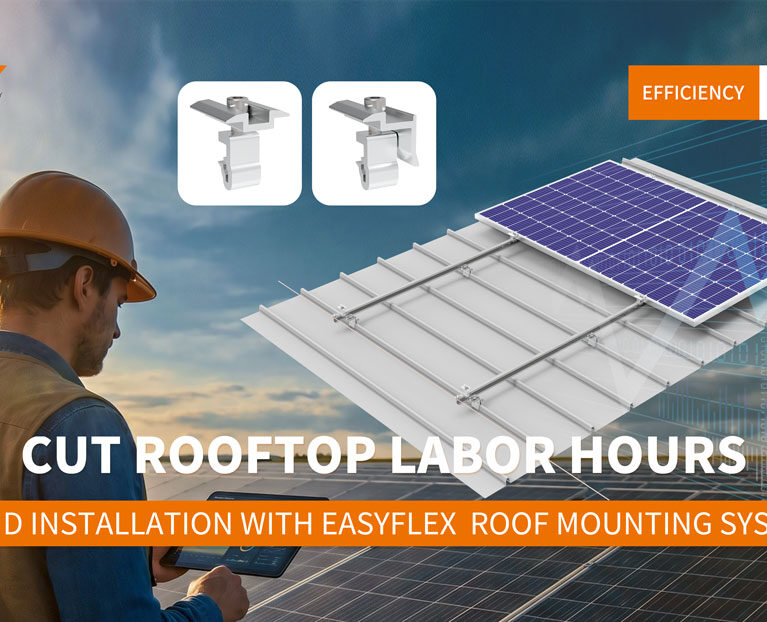
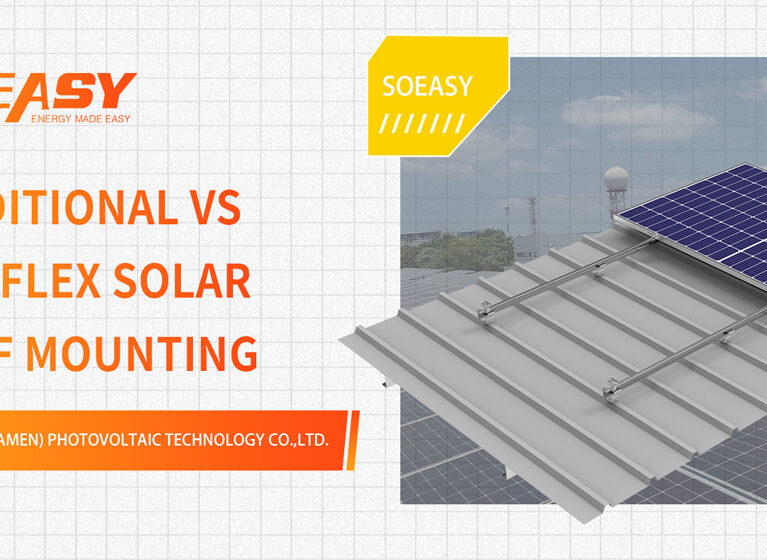
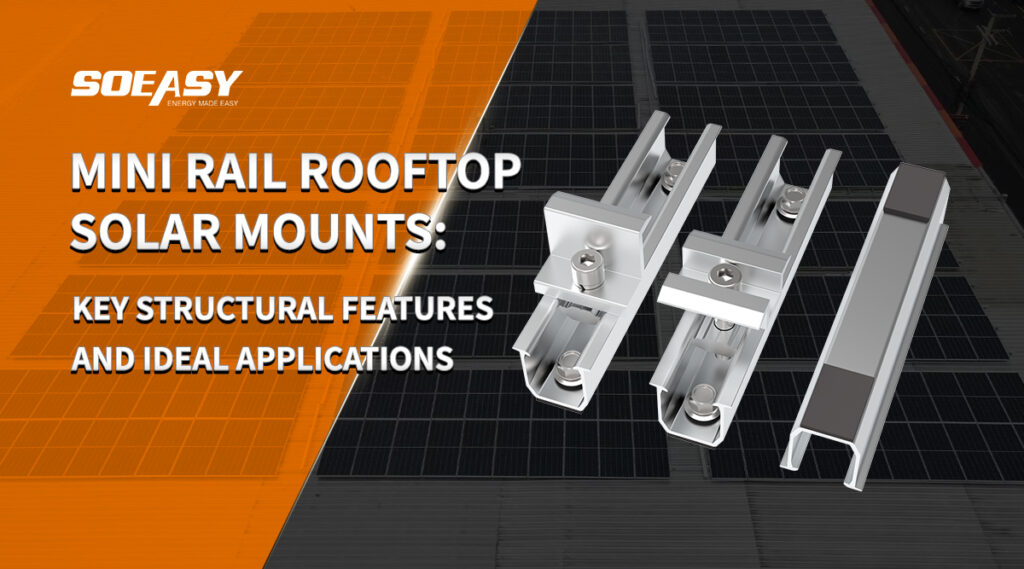
A Mini Rail solar mounting system replaces continuous long rails with short aluminum rails, typically 1–2 meters in length. These short rails connect directly to the roof structure through multiple mounting bases, supporting one or two PV modules per rail.
This structural change leads to several fundamental differences:
- Modular support structure
Each short rail functions as an independent support unit rather than part of a long, continuous rail. - Direct load transfer
Loads transfer more directly to the roof through multiple fixing points, reducing reliance on long load paths. - Flexible positioning
Installers can adjust rail locations freely to avoid roof obstacles or irregular layouts.
Because of these characteristics, Mini Rail systems naturally suit rooftops with limited space, complex geometry, or uneven structural conditions.
Why Distributed Projects Prefer Mini Rail Systems
With this structural background in mind, the advantages of Mini Rail systems in distributed projects become clearer.
1. Simplified Structure and Lower System Complexity
Traditional long-rail systems require precise rail alignment, splicing, and leveling across long distances. These steps increase installation complexity and demand higher on-site coordination.
In contrast, Mini Rail systems remove continuous rails altogether. By shortening load paths and simplifying structural logic, they reduce both engineering complexity and on-site decision-making.
As a result, project teams can standardize installation workflows more easily, especially when working across multiple rooftops or parallel construction sites.
2. Faster Installation Speed
Beyond structural simplicity, installation speed represents one of the most immediate benefits.
Mini Rail systems follow a straightforward installation sequence: mark mounting points, fix mounting bases, attach short rails, and install modules. Since installers no longer need to align long rails across multiple modules, each step becomes faster and more repeatable.
In practice, this streamlined workflow can reduce single-site installation time by approximately 20%–30%, particularly in small to medium-sized distributed projects.
3. Strong Adaptability to Complex Rooftops
Installation speed alone does not fully explain Mini Rail’s popularity. Equally important is its adaptability to real-world rooftop conditions.
Distributed rooftops often contain vents, skylights, drainage outlets, and HVAC equipment. Long rails typically require cutting or reconfiguration to bypass these obstacles.
Mini Rail systems, however, allow installers to reposition short rails easily. This flexibility enables:
- Smooth obstacle avoidance without structural modification
- Adaptation to irregular roof edges or fragmented installation areas
- Efficient use of available roof space
Consequently, Mini Rail systems perform particularly well on non-standard rooftops, where flexibility directly affects project feasibility.
4. More Roof-Friendly Load Distribution
Another key consideration in distributed projects is roof load capacity.
Mini Rail systems usually reduce aluminum consumption by 15%–25%, which lowers overall system weight. At the same time, multiple mounting points distribute loads more evenly across the roof surface.
This dual benefit helps minimize localized stress and makes Mini Rail a safer choice for lightweight roofs and older buildings with limited structural margins.
Mini Rail Performance Across Different Roof Types
The benefits of Mini Rail systems become even more apparent when viewed across different roof applications.
Metal Roofs
On standing seam and trapezoidal metal roofs, Mini Rail systems commonly use specialized clamps that enable non-penetrative installation. This approach preserves roof integrity and significantly reduces leakage risks.
At the same time, short rails align easily with rib spacing, improving both waterproof performance and installation flexibility.
Concrete Roofs
On flat concrete rooftops, installers can fix Mini Rail bases using chemical anchors or embedded components. Because base spacing remains flexible, designers can optimize module layouts while avoiding shading and structural constraints.
This adaptability supports customized designs that traditional long-rail systems often struggle to achieve.
Lightweight Steel Structures
For roofs with uneven purlin spacing or limited load-bearing capacity, Mini Rail systems distribute forces through multiple contact points.
As a result, they reduce the risk of local overloading and improve overall structural safety.
Impact of Mini Rail Systems on Project Cost and Schedule
While Mini Rail systems may appear more expensive at the component level, a broader cost perspective tells a different story.
- Material cost
Reduced aluminum usage often offsets the increase in mounting bases. - Installation cost
Faster installation and lower labor dependency can cut labor costs by 10%–20%. - Logistics efficiency
Short rails simplify transportation, storage, and on-site handling. - Project timeline
Shorter installation cycles can reduce total project duration by 15%–25%, improving capital turnover.
Taken together, these factors explain why Mini Rail systems often deliver better overall cost efficiency in distributed applications.
Key Design and Selection Considerations
Despite these advantages, Mini Rail systems are not a one-size-fits-all solution.
Before selection, project teams should carefully evaluate:
- Wind and snow load requirements
- Roof load capacity and waterproofing details
- Compatibility between rails, clamps, and module frames
- Project scale and rooftop regularity
In certain scenarios—such as very large, uniform rooftops or extreme wind regions—traditional long-rail systems may still offer advantages.
Mini Rail as a Strategic Choice for Distributed Solar
As distributed PV continues to diversify, mounting systems must evolve toward greater flexibility, faster installation, and lighter structures.
Mini Rail systems meet these requirements by simplifying structural design, improving rooftop adaptability, and enhancing installation efficiency.
Although they do not replace traditional solutions in every scenario, Mini Rail systems have proven to be a highly effective choice for many distributed projects.
For developers and EPCs seeking a balance between speed, safety, and cost control, Mini Rail has become an increasingly strategic solution in modern distributed solar installations.
Contact us to learn more about mini rail mounting solution: Soeasy Solar- Contact us.com